 Preview
 Send
Send Share
Share
 Details

 Download
 Similars
 X-Ray
X-Ray Diaporama
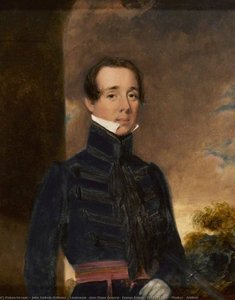
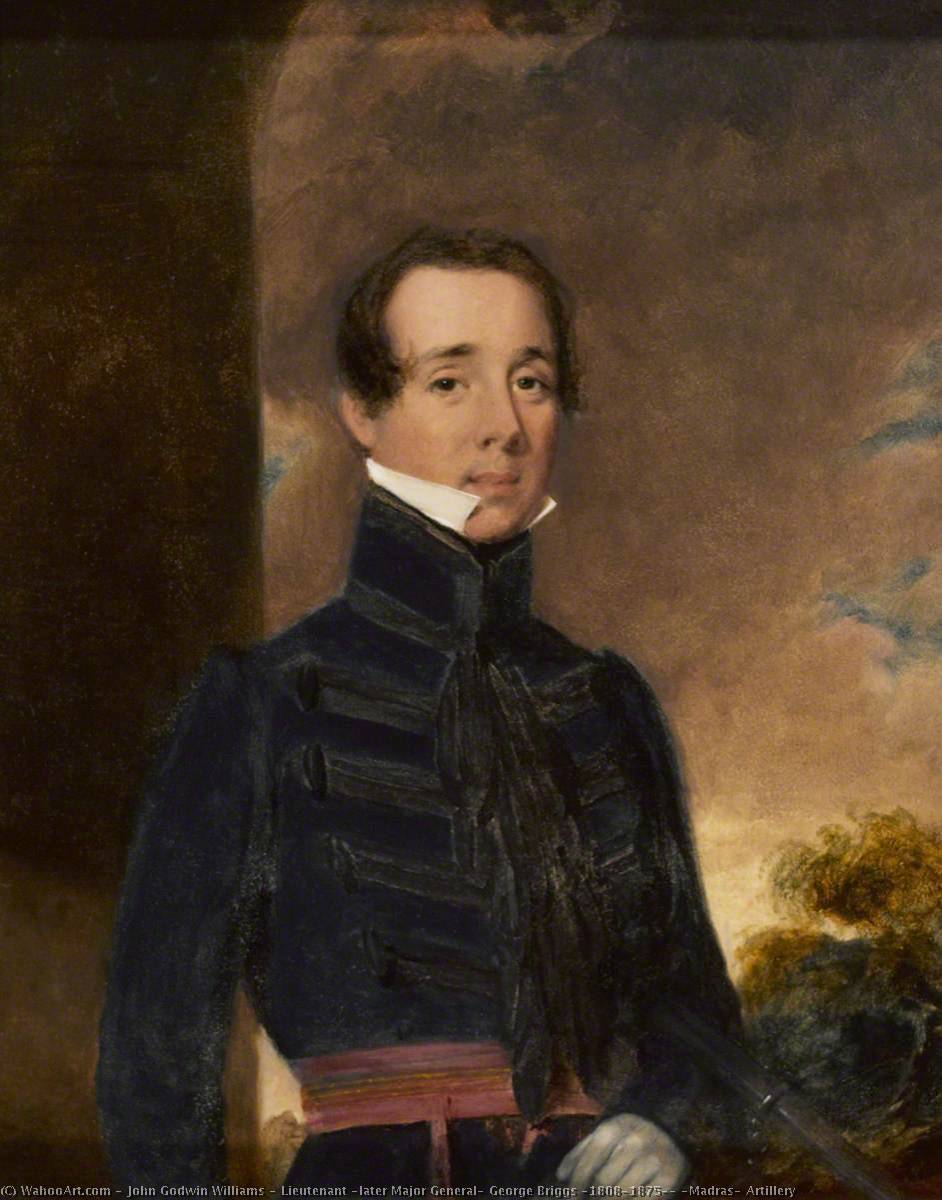
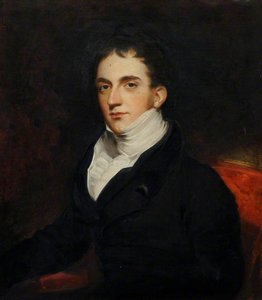
Lieutenant (later Major General) George Briggs (1808–1875), (Madras) Artillery
 1832
1832 25.0 x 20.0 cm
 Read More
Giclée / Art Print
Museum-quality giclée or canvas print with fast production and flexible finish options. ( Buy Hand Made Painting Buy Image)




































Pick from our preset sizes that match the artwork's original proportions.

You may enter your own dimensions to fit a specific frame or space. If your selected size does not match the original image's proportions, we will either crop the artwork or extend the image with a mirrored or solid-fill edge. A digital mockup will be sent for your approval before production begins.
Please note that the on-screen preview does not reflect the actual cropping or extension. Only the mockup will accurately show the final composition.
While custom sizes are available, we recommend selecting a dimension from the predefined list to preserve the original proportions.
Worldwide Delivery () in 2 weeks instead of standard 4/5 weeks. (21 August)

Free Worldwide Express Shipping

High-Quality Linen Canvas

Full Shipping Insurance

Customs Tax Refund Guarantee

True Color Matching Guarantee

60-Day Return Policy (Defects Only)

100% Money-Back Guarantee

Bulk Discount Offer
 Glass option is only available in size under 110 CM

Lieutenant (later Major General) George Briggs (1808–1875), (Madras) Artillery
Giclée / Art Print
Reproduction Size
-


Total Price
$ 63
Related Artworks








Artist Biography
John Godwin Williams (c.1793–1863): Bridging East and West in Victorian Portraiture
John Godwin Williams, born around 1793 in Madras (now Chennai), India, was a British artist who achieved considerable renown during the Victorian era for his meticulously crafted portraits of prominent figures from both Britain and its colonial dominions. His artistic journey began at St John’s College, Cambridge, where he studied Classics alongside Fine Arts, fostering an intellectual curiosity that profoundly shaped his artistic vision. This dual engagement with scholarship and art would become a hallmark of his career, informing not only his subject matter but also the stylistic nuances of his paintings. Williams' early training focused on watercolour painting, honing skills in capturing subtle tonal variations and atmospheric effects—techniques he would later adapt to oil paint. However, it was his relocation to Bombay (Mumbai) in 1823 that cemented his reputation as a portrait artist specializing in depictions of dignitaries and wealthy merchants. He quickly established himself as a sought-after painter, attracting commissions from influential families and individuals eager to commemorate their status and lineage. His portraits weren’t merely representations of likeness; they were carefully constructed narratives designed to convey prestige, character, and social standing. A significant influence on Williams' artistic style was the Pre-Raphaelite Brotherhood, though he eschewed their overtly romantic aesthetic in favor of a more restrained approach rooted in classical ideals. Nevertheless, the Brotherhood’s emphasis on meticulous observation and idealized beauty—particularly concerning drapery and anatomy—can be discerned in his canvases. He meticulously studied antique sculptures and drawings to achieve anatomical accuracy and compositional balance, reflecting a commitment to artistic excellence that transcended stylistic trends. Williams' oeuvre comprises approximately 150 paintings, predominantly portraits executed in oil on canvas. Among his most celebrated works are depictions of Lord Dalhousie, Governor General of India; Sir George Macartney, British Ambassador to China; and numerous members of the Bombay Merchant Elite. These portraits stand out for their remarkable detail—from the texture of fabrics to the subtle expressions conveyed by the subjects’ faces—demonstrating Williams' mastery of technique and his ability to capture the essence of his sitters. His paintings are housed in collections across Europe and North America, testifying to their enduring artistic merit and historical significance. His contribution to Victorian art extends beyond individual portraits; he championed the revival of classical painting conventions within British artistic circles. By synthesizing influences from both Eastern and Western traditions—particularly through his Cambridge education—Williams produced a distinctive body of work that embodies the spirit of its time. He remains an artist whose legacy continues to inspire admiration for his technical skill, intellectual depth, and unwavering dedication to portraying human dignity with grace and precision.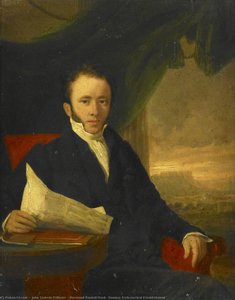
Quick Facts
- Artistic Movement Or Style: Victorian Portraiture
- Artists Or Movements Influenced By This Artist: ['Romanticism']
- Artists Who Influenced This Artist:
- Sir Joshua Reynolds
- Thomas Lawrence
- Full Name: John Godwin Williams
- Nationality: British
- Notable Artworks:
- Portrait of Lady Harriet Wyndham
- Portrait of Sir William Stirling Morton
- Place Of Birth: Cambridge, England