 Preview
 Send
Send Share
Share
 Details

 Download
 Similars
 X-Ray
X-Ray Diaporama
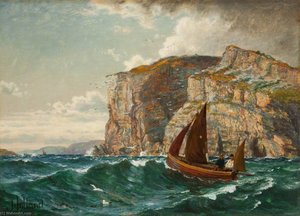
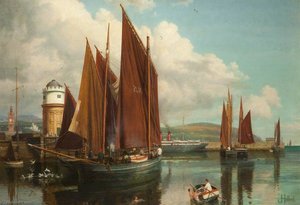
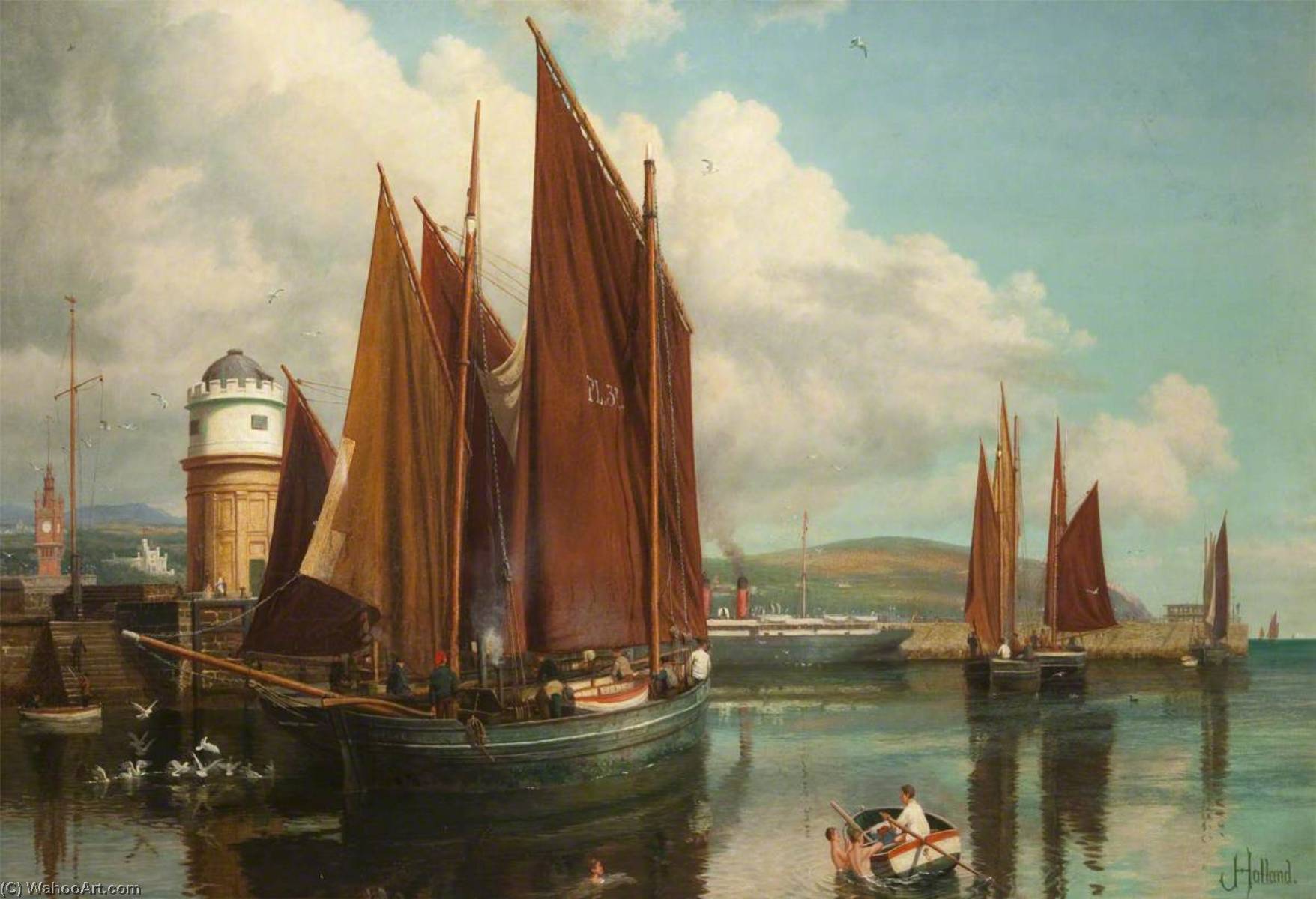
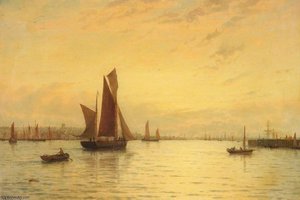
Shipping in Douglas Harbour
 1905
1905 72.0 x 123.0 cm
 Manx Museum
 Read More
Hand Made Oil Reproduction
Hand-painted oil on canvas in your size and frame, made to order by our artists. ( Buy Print Buy Image)




































Pick from our preset sizes that match the artwork's original proportions.

You may enter your own dimensions to fit a specific frame or space. If your selected size does not match the original image's proportions, we will either crop the artwork or extend the painting with additional hand-painted elements. A digital mockup will be sent for your approval before production begins.
Please note that the on-screen preview does not reflect the actual cropping or extension. Only the mockup will accurately show the final composition.
While custom sizes are available, we recommend selecting a dimension from the predefined list to preserve the original proportions.
After order, ArtsDot.com team will email client for instructions and provide a mockup preview
Worldwide Delivery () in 3/4 weeks instead of standard 5 weeks. (17 August). No compromise on quality.

Free Worldwide Express Shipping

High-Quality Linen Canvas

Full Shipping Insurance

Customs Tax Refund Guarantee

True Color Matching Guarantee

60-Day Return Policy (Defects Only)

100% Money-Back Guarantee

Bulk Discount Offer
 Glass option is only available in size under 110 CM

Shipping in Douglas Harbour
Reproduction Medium
Reproduction Size
-


Total Price
$ 263
Artwork Description
Painting Description
The painting depicts a serene harbor scene with several sailboats docked in the water. The boats vary in size and design, adding to the visual interest of the piece. A person is seen standing on one of the boats, possibly attending to it or observing the surroundings. Two clocks are also visible in the scene, one near the center and another towards the left side, indicating that this harbor is an important location for sailors and boating enthusiasts.Artist and Style
John Holland's style is reminiscent of other notable artists, such as George Washington Lambert, who also created beautiful paintings of landscapes and seascapes. For example, Lambert's Fort William, Calcutta painting showcases his skill in capturing the beauty of a bustling harbor.Similar Paintings
Other notable paintings that showcase similar themes and styles include John Miller Nicholson's Fishing Boats, Douglas Harbour and The North Quay with Old St Matthew's, 1895. These paintings demonstrate the beauty of harbor scenes and the skill of the artists in capturing their essence.- Oil on canvas is a popular medium for creating beautiful and durable paintings.
- The Manx Museum is home to many notable artworks, including Shipping in Douglas Harbour.
- Edmund William Greacen is another notable artist whose works can be found on ArtsDot.com.
For more information about John Holland and his works, visit ArtsDot.com.
Related Artworks



Artist Biography
John Holland (1799 – 1879): A Venetian Visionary
John Holland, born in England around 1799, emerged as a prominent watercolorist during the Victorian era, establishing himself primarily as a landscape painter with an exceptional talent for capturing the ethereal beauty of Venice and Portugal. Though biographical details remain somewhat sparse, his artistic legacy speaks volumes about his dedication to observation and masterful technique—a testament to his enduring influence on botanical illustration and 19th-century art history.Early Life & Artistic Training
Information regarding Holland’s formative years is limited; however, he apprenticed under John Ruskin, the celebrated Victorian critic and artist, gaining invaluable insight into artistic principles rooted in Romanticism and a profound appreciation for natural forms. Ruskin's teachings instilled in Holland a meticulous approach to color mixing and brushwork—skills that would become hallmarks of his distinctive style. This early mentorship undoubtedly shaped his artistic sensibilities and propelled him toward a career focused on capturing the sublime grandeur of the European landscape.Venetian Period & Botanical Exploration
Holland’s artistic zenith arrived during his extended sojourn in Venice between 1825 and 1830. During this period, he produced an astonishing array of watercolor paintings depicting Venetian canals, palaces, and gardens—works characterized by luminous color palettes and delicately rendered details that convey a palpable sense of atmosphere. These canvases aren’t merely representations of places; they are imbued with Ruskin's Romantic ideals, reflecting the artist’s fascination with capturing fleeting moments of beauty and emotion. Simultaneously, Holland pursued a fervent interest in botany, meticulously documenting plant species encountered during his travels—a passion reflected in his exquisitely detailed botanical watercolors that stand apart from purely scenic compositions.Technique & Style Characteristics
Holland's artistic style is instantly recognizable for its remarkable precision and subtlety. He employed a layered glazing technique—applying thin washes of color over subsequent layers—to achieve unparalleled tonal depth and luminosity. This method allowed him to capture the nuances of light and shadow with breathtaking accuracy, creating images that shimmer with realism. Furthermore, Holland’s brushwork was characterized by delicate strokes that blended seamlessly together, producing surfaces that appear remarkably smooth and luminous. His meticulous attention to detail extended beyond color; he painstakingly rendered textures—from moss-covered stones to velvety petals—adding considerable richness and visual interest to his paintings.Notable Works & Legacy
Among Holland’s most celebrated achievements are his depictions of Venetian gardens – particularly the Giardini Reali di San Giorgio Maggiore, where he captured the serene tranquility of flowering shrubs and herbaceous plants with exceptional sensitivity. His watercolors of Portuguese landscapes—particularly Serra da Estrela—demonstrate a masterful command of perspective and color harmony, conveying the grandeur of Portugal’s mountainous terrain. Holland's botanical illustrations, published in several volumes, solidified his reputation as a pioneer in scientific art, establishing him as one of the foremost watercolorists of his time. His work continues to inspire artists today, serving as an exemplar of Romantic idealism combined with meticulous observation and technical virtuosity—a legacy that ensures John Holland’s place among the titans of Victorian landscape painting.Historical Significance & Influence
Holland's contribution to art history transcends mere aesthetic appreciation; he embodies the spirit of Romanticism's pursuit of sublime beauty and its reverence for nature. His influence extended beyond watercolor painting, inspiring subsequent generations of artists to embrace similar techniques and stylistic approaches. Moreover, Holland’s meticulous botanical illustrations played a crucial role in advancing scientific understanding—demonstrating how art could serve as a powerful tool for disseminating knowledge and fostering appreciation for the natural world. He remains an enduring symbol of artistic excellence and intellectual curiosity—a figure whose legacy continues to resonate within the annals of Victorian art and science.
john holland
1799 - 1879
Quick Facts
- Artistic Movement Or Style: Watercolor Landscapes
- Artists Who Influenced This Artist:
- George Stubbs
- James Turner
- Date Of Birth: 1799
- Date Of Death: 1879
- Full Name: John Holland
- Nationality: English
- Notable Artworks:
- Venetian Canal View
- Portuguese Coastline
- Place Of Birth: England