

 Preview
 Send
Send Share
Share
 Details

 Download
 Similars
 X-Ray
X-Ray Diaporama
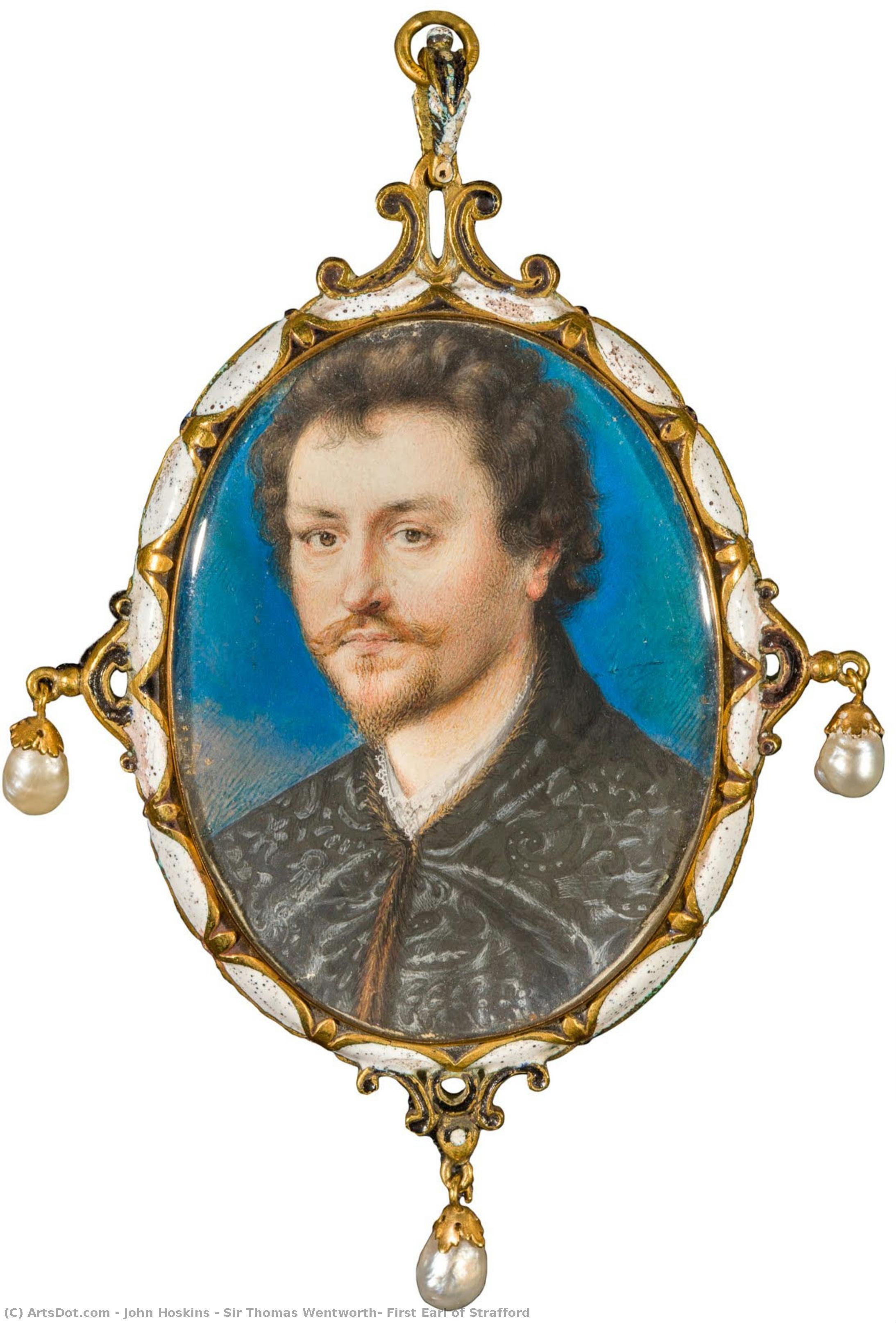
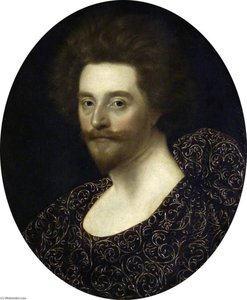
Sir Thomas Wentworth, First Earl of Strafford


 Read More
Purchase a high-resolution, enhanced digital image, far superior to the online preview.
Each file is meticulously prepared by our in-house specialists using advanced tools and expert manual retouching. We ensure every image has exceptional clarity, precise color accuracy, and fine detail.
The final file is delivered via email within 72 hours, optimized for immediate use in professional, editorial, and print environments. This is the same quality trusted by top-tier design studios, publishers, and galleries.
Digital Image
Download a high-resolution file for personal display, printing, and creative projects. ( Buy Print Buy Hand Made Painting)
Included in Every Digital Image Order
Expert Digital Delivery, Guaranteed
When you choose ArtsDot.com, you're not just getting an image - you're receiving a professionally enhanced digital artwork, crafted with precision and backed by a satisfaction guarantee. Here's everything that comes with your order, automatically:

Fast Email Delivery
Your high-resolution digital image file will be emailed to you within 72 hours of ordering - ready for immediate use.

AI-Enhanced Digital File
Your artwork is professionally optimized using advanced AI tools and manual editing, ensuring maximum detail, clarity, and color accuracy.

Free Lifetime Re-Delivery
Accidentally deleted or lost your file? No worries - we'll resend it to you anytime, free of charge.

No Import Fees - Ever
Enjoy your artwork instantly with zero customs, duties, or delivery fees - digital downloads are always tax-free.

Color Accuracy Guarantee
We ensure your digital image reflects the original colors as closely as possible using professional tools and color management.

60-Day Satisfaction Guarantee
If you're not satisfied with your digital image, we'll revise it or refund 100% within 60 days - no questions asked.

100% Money-Back Guarantee
Not satisfied? Get a full refund within 60 days of receiving your digital file - no questions asked.

Bulk Order Discounts
Buy 3 images, save 10% - Buy 5, save 15% - Buy 10+, save 20%. Great for creative projects, galleries, and agencies.
Collectible Description
Related Artworks




Artist Biography
A Life Etched in Miniature: The World of Sir John Hoskins
The name Sir John Hoskins resonates through the annals of English portraiture, though perhaps less familiarly today than it once did. Born in Wells, Somerset, around 1589 or 1590, Hoskins wasn’t merely a painter; he was a pivotal figure in the transition from the meticulous detail of Elizabethan miniature painting to the more fluid styles that would characterize the later Stuart period. His life, though documented with gaps, reveals an artist deeply embedded within the royal court and a keen observer of evolving artistic sensibilities. While details of his early training remain elusive, it’s known he possessed considerable skill even before attracting royal patronage. He wasn't simply copying existing styles; Hoskins was actively shaping them, laying the groundwork for artists like Samuel Cooper, his nephew and eventual heir to his mantle.From Architectural Draftsmanship to Royal Favor
Hoskins’s path to artistic renown wasn’t conventional. Initially employed as a draughtsman in an architect's office – a grounding that likely instilled a precision of line and spatial awareness – he found himself drawn towards the burgeoning art of miniature painting. This shift coincided with a period of increasing sophistication within English courtly life, where exquisitely rendered portraits served not just as likenesses but as potent symbols of status and power. By around 1634, Hoskins had established himself in London, quickly gaining recognition for his delicate brushwork and ability to capture the subtle nuances of character. His talent did not go unnoticed by King Charles I, who, impressed by Hoskins’s skill, granted him an annuity of £200 a year in 1640 – a testament to the artist's growing reputation and the esteem in which he was held. This royal favor provided a degree of financial security that allowed Hoskins to refine his technique and experiment with new approaches.Technique, Influence & The Evolution of Style
Hoskins’s miniatures are characterized by their remarkable detail and luminous quality. He built upon the foundations laid by Nicholas Hilliard, the leading miniaturist of the Elizabethan era, but moved beyond the rigid formality of Hilliard's style. While initially adhering to the flat blue backgrounds common in earlier works, Hoskins began incorporating richer colors and more dynamic compositions. A key innovation was his use of red curtain backdrops – a development that added depth and theatricality to his portraits. He masterfully employed techniques like jewelling, meticulously recreating pearls and gemstones with raised white lead paint and touches of real silver, lending an almost three-dimensional quality to his subjects’ adornments. However, Hoskins wasn't content simply replicating these effects; he gradually transitioned towards a more painterly approach, using subtle gradations of color to suggest form and texture rather than relying solely on the illusionistic techniques of his predecessors. This shift was undoubtedly influenced by the arrival of Anthony van Dyck in London in 1632, whose fluid brushwork and naturalistic style profoundly impacted English portraiture.Legacy & Historical Significance
The impact of Sir John Hoskins extends beyond the beauty of his individual works. He served as a crucial link between the Elizabethan and Stuart traditions of miniature painting, bridging the gap between formality and realism. His influence is most clearly seen in the work of his nephew, Samuel Cooper, who became arguably the most celebrated miniaturist of the Restoration period. Cooper inherited not only Hoskins’s technical skill but also his commitment to capturing the inner life of his sitters. While many details of Hoskins's later life remain obscure – including the existence and artistic contributions of a possible son mentioned in historical records – his legacy is secure. His miniatures, housed in prestigious collections such as those at Ham House, Montagu House, Windsor Castle, and the Victoria and Albert Museum, offer a captivating glimpse into the world of 17th-century England. They are not merely portraits; they are windows into a bygone era, meticulously crafted testaments to an artist who helped shape the course of English art. His work continues to be studied and admired for its technical brilliance, artistic sensitivity, and enduring historical significance.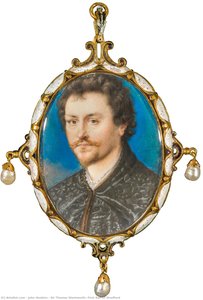
Quick Facts
- Artistic Movement Or Style: Abstract Metal Art
- Artists Who Influenced This Artist:
- Lynn Chadwick
- Bernard Meadows
- Date Of Birth: 1921
- Date Of Death: 1990
- Full Name: John Hoskin
- Nationality: British
- Notable Artworks: ['Standing Figure']
- Place Of Birth: Cheltenham, UK

