 Preview
 Send
Send Share
Share
 Details

 Download
 Similars
 X-Ray
X-Ray Diaporama
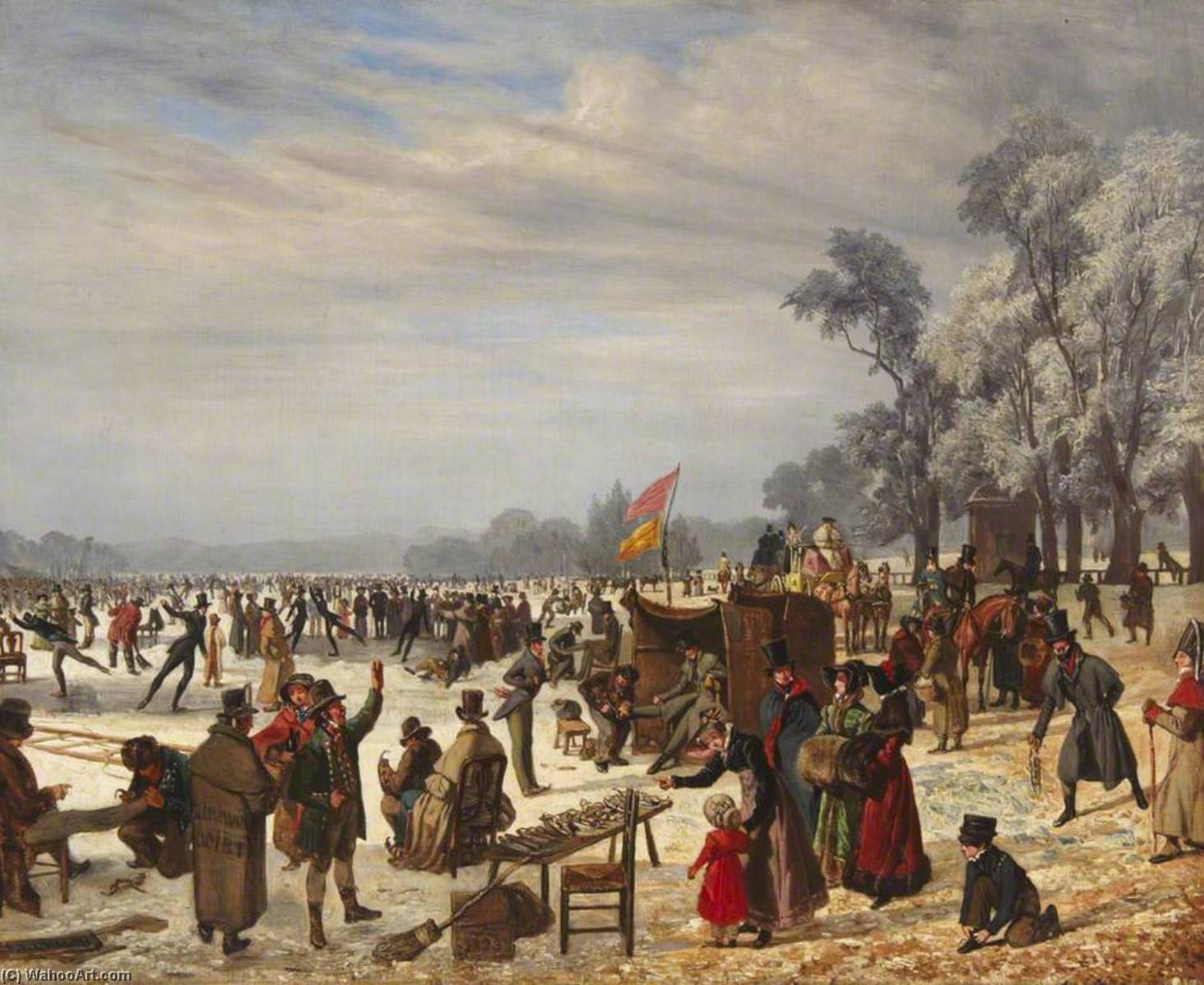
Serpentine, Hyde Park, during the Late Frost
 1823
1823 45.0 x 55.0 cm
 City of Westminster Archives Centre
 Read More
Hand Made Oil Reproduction
Hand-painted oil on canvas in your size and frame, made to order by our artists. ( Buy Print Buy Image)




































Pick from our preset sizes that match the artwork's original proportions.

You may enter your own dimensions to fit a specific frame or space. If your selected size does not match the original image's proportions, we will either crop the artwork or extend the painting with additional hand-painted elements. A digital mockup will be sent for your approval before production begins.
Please note that the on-screen preview does not reflect the actual cropping or extension. Only the mockup will accurately show the final composition.
While custom sizes are available, we recommend selecting a dimension from the predefined list to preserve the original proportions.
After order, ArtsDot.com team will email client for instructions and provide a mockup preview
Worldwide Delivery () in 3/4 weeks instead of standard 5 weeks. (16 August). No compromise on quality.

Free Worldwide Express Shipping

High-Quality Linen Canvas

Full Shipping Insurance

Customs Tax Refund Guarantee

True Color Matching Guarantee

60-Day Return Policy (Defects Only)

100% Money-Back Guarantee

Bulk Discount Offer
 Glass option is only available in size under 110 CM

Serpentine, Hyde Park, during the Late Frost
Reproduction Medium
Reproduction Size
-


Total Price
$ 263
Related Artworks
Artist Biography
John James Chalon: A Swiss Landscape Romantic
John James Chalon (1778-1854) was a Swiss painter who established himself as a prominent figure in English landscape painting during the Victorian era. Born in Geneva, he possessed an aristocratic lineage and benefited from early artistic training at the Royal Military College Sandhurst before embarking on his journey to London where he pursued his passion for art with unwavering dedication. His brother Alfred Edward Chalon joined him in this endeavor, forming a celebrated artistic partnership that would shape their careers and contribute significantly to the aesthetic landscape of the time.- Early Life & Education: Chalon’s formative years were marked by exposure to classical influences and a grounding in academic principles. He honed his skills at the Royal Academy Schools alongside Alfred, fostering a collaborative spirit that would characterize their artistic endeavors.
- London Years & Artistic Development: Upon arriving in London, Chalon quickly gained recognition for his captivating depictions of Swiss scenery—particularly the majestic peaks of Mont Blanc and Zermatt—capturing the sublime beauty of Alpine landscapes with meticulous detail and expressive brushwork.
Notable Works & Style
Chalon’s artistic style is characterized by a Romantic sensibility, prioritizing emotional resonance over strict realism. He embraced loose brushstrokes and vibrant color palettes to convey atmospheric conditions and evoke feelings of awe and wonder—a hallmark of the Romantic movement. His canvases pulsate with life, infused with an artist's keen observation of nature combined with imaginative interpretation. Among his most celebrated paintings are ‘Castle of Chillon,’ a dramatic portrayal of the medieval fortress overlooking Lake Geneva, and ‘Napoléon on Board the Bellerophon,’ commemorating Napoleon Bonaparte’s arrival in England following his exile from Elba—works that exemplify his masterful command of composition and tonal harmony.- ‘Castle of Chillon’: This iconic landscape captures the brooding grandeur of Château de Chillon, utilizing chiaroscuro techniques to heighten dramatic effect and convey a sense of timeless solitude.
- ‘Napoléon on Board the Bellerophon’: Painted in 1816, this monumental canvas depicts Napoleon Bonaparte aboard HMS Bellerophon during his voyage to England—a testament to Chalon’s ability to portray historical events with artistic flair.
Influence & Legacy
Chalon's work profoundly impacted the landscape painting tradition of Britain, establishing him as one of the foremost artists of his generation. He championed a humanist approach to art, prioritizing emotional expression and capturing the essence of natural beauty—values that resonated deeply with the sensibilities of Victorian society. His dedication to meticulous observation combined with imaginative interpretation cemented his place in art history as a pivotal figure in Romantic landscape painting. Furthermore, Chalon’s influence extended beyond artistic circles, inspiring subsequent generations of painters and contributing to the broader cultural appreciation for Alpine scenery and the sublime—a legacy that continues to endure today.Later Life & Death
In 1847 Chalon suffered a debilitating stroke which left him paralyzed and greatly diminished his creative output. Despite this physical challenge, he persevered in his artistic pursuits until his death in Kensington in 1854 at the age of 76. He was buried at Highgate Cemetery alongside Alfred Edward Chalon, symbolizing their enduring bond as artists and brothers. His contribution to British landscape painting remains an indelible mark on Victorian art history.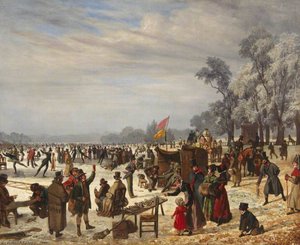
john james chalon
1778 - 1854
Quick Facts
- Artistic Movement Or Style: Romantic Landscape Painting
- Artists Or Movements Influenced By This Artist: ['Romanticism']
- Artists Who Influenced This Artist: ['Alfred Edward Chalon']
- Date Of Birth: March 27, 1778
- Date Of Death: November 14, 1854
- Full Name: John James Chalon
- Nationality: Swiss
- Notable Artworks:
- Castle of Chillon
- Napoléon on board the Bellerophon
- Place Of Birth: Geneva, Switzerland