

 Preview
 Send
Send Share
Share
 Details

 Download
 Similars
 X-Ray
X-Ray Diaporama
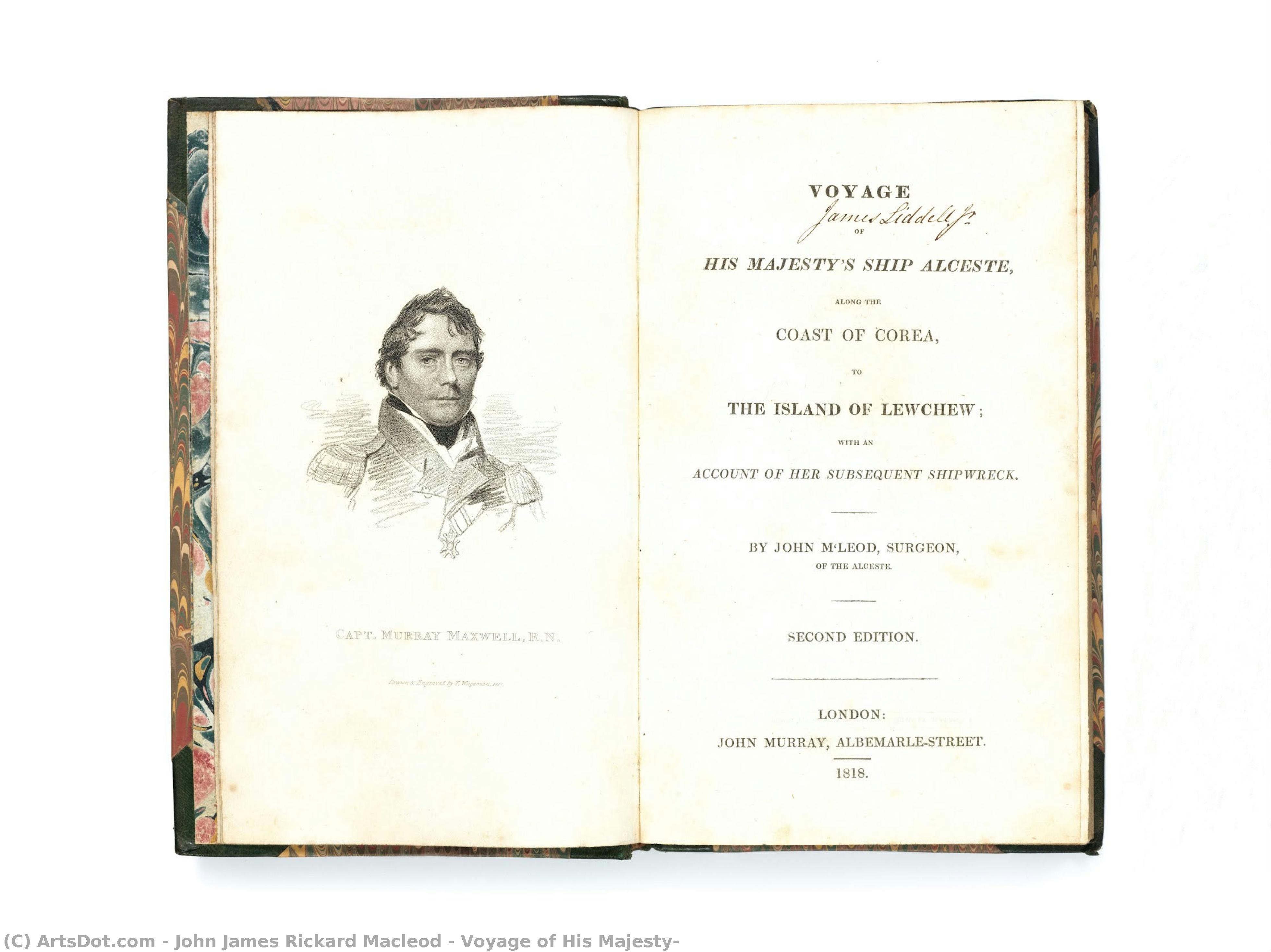
Voyage of His Majesty


 Read More
Purchase a high-resolution, enhanced digital image, far superior to the online preview.
Each file is meticulously prepared by our in-house specialists using advanced tools and expert manual retouching. We ensure every image has exceptional clarity, precise color accuracy, and fine detail.
The final file is delivered via email within 72 hours, optimized for immediate use in professional, editorial, and print environments. This is the same quality trusted by top-tier design studios, publishers, and galleries.
Digital Image
Download a high-resolution file for personal display, printing, and creative projects. ( Buy Print Buy Hand Made Painting)
Included in Every Digital Image Order
Expert Digital Delivery, Guaranteed
When you choose ArtsDot.com, you're not just getting an image - you're receiving a professionally enhanced digital artwork, crafted with precision and backed by a satisfaction guarantee. Here's everything that comes with your order, automatically:

Fast Email Delivery
Your high-resolution digital image file will be emailed to you within 72 hours of ordering - ready for immediate use.

AI-Enhanced Digital File
Your artwork is professionally optimized using advanced AI tools and manual editing, ensuring maximum detail, clarity, and color accuracy.

Free Lifetime Re-Delivery
Accidentally deleted or lost your file? No worries - we'll resend it to you anytime, free of charge.

No Import Fees - Ever
Enjoy your artwork instantly with zero customs, duties, or delivery fees - digital downloads are always tax-free.

Color Accuracy Guarantee
We ensure your digital image reflects the original colors as closely as possible using professional tools and color management.

60-Day Satisfaction Guarantee
If you're not satisfied with your digital image, we'll revise it or refund 100% within 60 days - no questions asked.

100% Money-Back Guarantee
Not satisfied? Get a full refund within 60 days of receiving your digital file - no questions asked.

Bulk Order Discounts
Buy 3 images, save 10% - Buy 5, save 15% - Buy 10+, save 20%. Great for creative projects, galleries, and agencies.
Related Artworks

Artist Biography
John James Rickard Macleod: A Pioneer of Insulin and a Scottish Legacy
Born in Clunie, near Dunkeld, Perthshire, in 1876, John James Rickard Macleod’s life was one of relentless intellectual curiosity and ultimately, groundbreaking scientific discovery. His early years were shaped by his father's role as a Free Church minister, moving the family to Aberdeen where he received his foundational education at Aberdeen Grammar School and later enrolled in medicine at the University of Aberdeen. This academic journey laid the groundwork for a career dedicated to unraveling the complexities of human physiology and biochemistry – a field that would forever be intertwined with his name.
Macleod’s initial studies focused on phosphorus metabolism, publishing his first significant paper in 1899 while working at the London Hospital Medical School. This early work demonstrated an aptitude for rigorous research and a commitment to understanding the fundamental processes of life. He continued to refine his expertise, earning a doctorate in public health from Cambridge University in 1902, further solidifying his position as a rising star within the scientific community. His subsequent appointment as Lecturer in Biochemistry at the London Hospital Medical School marked a pivotal moment, establishing him as an influential figure in the burgeoning field of biochemical research.
The Western Reserve and the Dawn of Carbohydrate Metabolism
In 1903, Macleod embarked on a new chapter by accepting the position of Professor of Physiology at the Western Reserve University in Cleveland, Ohio. This move represented a significant shift, exposing him to a different scientific landscape and providing him with valuable experience in American academic institutions. During his time in Cleveland, he immersed himself in the study of carbohydrate metabolism – a subject that would become the defining focus of his later research. He meticulously investigated the intricate pathways involved in sugar processing within the body, laying the groundwork for future breakthroughs.
His dedication to this area was further underscored by the McKinnon Research Studentship he received from the Royal Society in 1902, a testament to his burgeoning talent and potential. This period of intensive study and experimentation honed his skills and solidified his understanding of complex biological systems. It also fostered a collaborative spirit, as he worked alongside other researchers pushing the boundaries of scientific knowledge.
The Discovery of Insulin: A Collaborative Triumph
Macleod’s most enduring legacy rests on his pivotal role in the discovery of insulin – a hormone that revolutionized the treatment of diabetes. In 1920, he was approached by Frederick Banting, a young Canadian physician who had conceived of using pancreatic extracts to combat the debilitating effects of diabetes. Initially skeptical, Macleod’s scientific rigor and deep understanding of physiology ultimately led him to collaborate with Banting and his student, Charles Best. This partnership proved extraordinarily fruitful, culminating in the isolation of insulin in 1921-1922.
The process was far from straightforward. Macleod’s expertise in experimental design and analytical techniques proved invaluable, guiding the team through countless trials and setbacks. Despite initial disagreements regarding the proper approach, a shared commitment to scientific advancement ultimately prevailed. In 1923, Banting and Macleod were jointly awarded the Nobel Prize in Physiology or Medicine for their groundbreaking discovery – an honor that, controversially at the time, downplayed Macleod’s crucial contributions. The financial proceeds of the patent were generously donated to the British Medical Research Council, reflecting a remarkable spirit of collaboration and a dedication to benefiting humanity.
Later Years and Continued Contributions
Following his Nobel Prize, Macleod continued to contribute significantly to the field of physiology. He accepted the Regius Professor of Physiology at the University of Aberdeen in 1928, a prestigious position he held until his untimely death in 1935. Even in the face of declining health, he remained actively engaged in research, focusing on topics ranging from carbohydrate metabolism to experimental diabetes and even exploring the role of the nervous system in regulating blood sugar levels.
His work extended beyond insulin, encompassing investigations into muscle physiology, air sickness, purine bases, and the intricacies of blood circulation within the brain. John James Rickard Macleod’s life exemplified a dedication to scientific inquiry, leaving an indelible mark on both the medical world and the broader history of science. His legacy continues to inspire researchers today, reminding us of the power of collaboration, perseverance, and a relentless pursuit of knowledge.
A Scottish Icon: Remembrance and Recognition
Today, John James Rickard Macleod is remembered not only for his scientific achievements but also as a proud son of Scotland. The recent commissioning of a statue in Aberdeen – spearheaded by the JJR Macleod Memorial Statue Society – stands as a powerful testament to his enduring legacy. The statue, crafted from bronze and granite, serves as a poignant reminder of his contributions to medicine and a celebration of his Scottish heritage. It is a fitting tribute to a man who transformed our understanding of diabetes and profoundly impacted the lives of millions around the world.
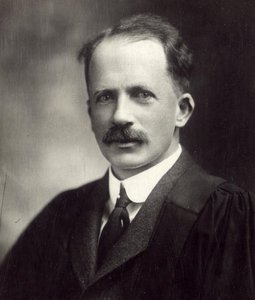
john james rickard macleod
1876 - 1935 , United Kingdom
Quick Facts
- Artistic Movement Or Style: Biochemistry, Physiology
- Artists Or Movements Influenced By This Artist: ['Frederick Banting']
- Artists Who Influenced This Artist: ['Leonard Hill']
- Date Of Birth: September 6, 1876
- Date Of Death: March 16, 1935
- Full Name: John James Rickard Macleod
- Nationality: Scottish
- Notable Artworks: ['Voyage of His Majesty']
- Place Of Birth: Cluny, United Kingdom

