

 Preview
 Send
Send Share
Share
 Details

 Download
 Similars
 X-Ray
X-Ray Diaporama
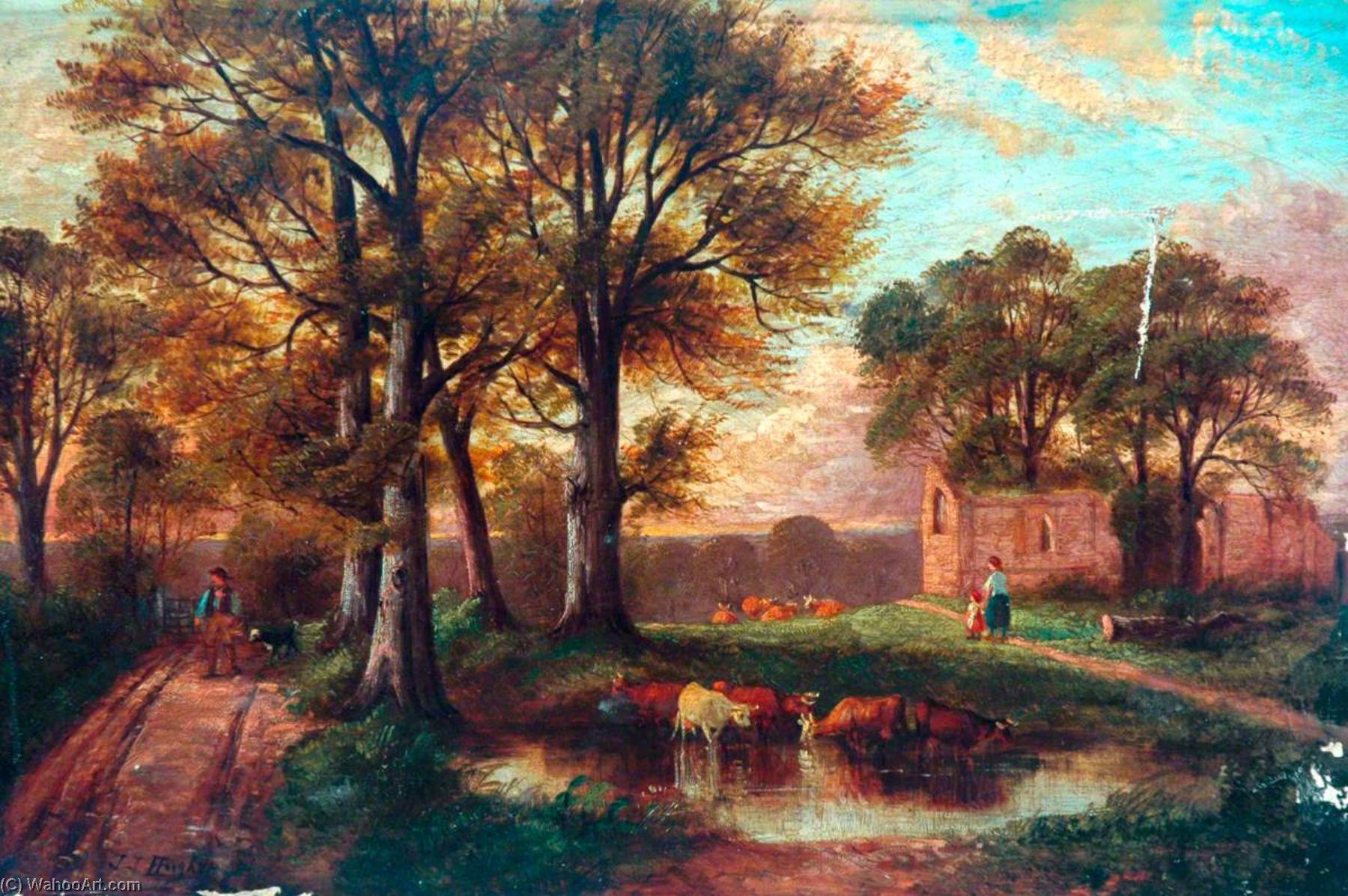
Monks Abbey, Lincolnshire
 51.0 x 76.0 cm
 Read More
Purchase a high-resolution, enhanced digital image, far superior to the online preview.
Each file is meticulously prepared by our in-house specialists using advanced tools and expert manual retouching. We ensure every image has exceptional clarity, precise color accuracy, and fine detail.
The final file is delivered via email within 72 hours, optimized for immediate use in professional, editorial, and print environments. This is the same quality trusted by top-tier design studios, publishers, and galleries.
Digital Image
Download a high-resolution file for personal display, printing, and creative projects. ( Buy Print Buy Hand Made Painting)
Included in Every Digital Image Order
Expert Digital Delivery, Guaranteed
When you choose ArtsDot.com, you're not just getting an image - you're receiving a professionally enhanced digital artwork, crafted with precision and backed by a satisfaction guarantee. Here's everything that comes with your order, automatically:

Fast Email Delivery
Your high-resolution digital image file will be emailed to you within 72 hours of ordering - ready for immediate use.

AI-Enhanced Digital File
Your artwork is professionally optimized using advanced AI tools and manual editing, ensuring maximum detail, clarity, and color accuracy.

Free Lifetime Re-Delivery
Accidentally deleted or lost your file? No worries - we'll resend it to you anytime, free of charge.

No Import Fees - Ever
Enjoy your artwork instantly with zero customs, duties, or delivery fees - digital downloads are always tax-free.

Color Accuracy Guarantee
We ensure your digital image reflects the original colors as closely as possible using professional tools and color management.

60-Day Satisfaction Guarantee
If you're not satisfied with your digital image, we'll revise it or refund 100% within 60 days - no questions asked.

100% Money-Back Guarantee
Not satisfied? Get a full refund within 60 days of receiving your digital file - no questions asked.

Bulk Order Discounts
Buy 3 images, save 10% - Buy 5, save 15% - Buy 10+, save 20%. Great for creative projects, galleries, and agencies.
Related Artworks









Artist Biography
John Joseph Hughes: A Shepherd of English Landscapes
John Joseph Hughes (1797-1864) stands as a quietly significant figure in 19th-century British art, primarily recognized for his serene and meticulously rendered depictions of English countryside life. Born in County Tyrone, Ireland, Hughes’s artistic journey began not with grand ambitions but with a grounding in the practicalities of rural existence – initially as a gardener, later as a teacher and eventually, a dedicated landscape painter. His work offers a poignant glimpse into a vanishing era, capturing idyllic scenes of Warwickshire mills, castles, and rolling fields with an understated beauty that belies their historical importance. Hughes’s art isn't characterized by dramatic flourishes or bold statements; instead, it resides in the subtle nuances of light, texture, and composition, creating images imbued with a profound sense of peace and nostalgia.Early Life and Influences: From Gardener to Painter
Hughes’s early life was shaped by both hardship and opportunity. Born into a modest farming family, he experienced the challenges of rural Irish life firsthand. This experience instilled in him a deep appreciation for the natural world and a keen eye for detail – qualities that would later inform his artistic practice. His initial employment as a gardener at Favour Royal Manor provided invaluable exposure to diverse plant life and cultivated an understanding of landscape design. Crucially, this period also introduced him to the burgeoning world of art through his association with Mother Elizabeth Ann Seton, a pivotal figure in the early Catholic Church in America. Her encouragement and support paved the way for Hughes’s formal artistic training at Mount St. Mary's College in Emmitsburg, Maryland – an institution that profoundly shaped his aesthetic sensibilities. The influence of the Pre-Raphaelites, though perhaps not explicitly acknowledged, is subtly present in his meticulous attention to detail and his preference for depicting scenes of quiet beauty. Interestingly, Hughes’s career was initially intertwined with the Catholic Church; he served as a priest and later as Archbishop of New York, demonstrating a commitment to both artistic expression and religious service.A Painter of Pastoral Scenes: Warwickshire and Beyond
Hughes's most celebrated works depict scenes from the English countryside, particularly those found in Warwickshire. His paintings are not grand historical narratives but rather intimate portraits of daily life – farmers tending their fields, mill workers at their looms, and stately castles standing sentinel over vast landscapes. A prime example is “Farm in Wood Lane, Handsworth, Birmingham,” a work that exemplifies his signature style: muted tones, layered textures, and an almost photographic realism. The composition draws the eye through carefully placed elements, creating a sense of depth and inviting the viewer to lose themselves in the scene. While he frequently painted mills, these weren’t simply industrial structures; they were integrated seamlessly into the landscape, reflecting Hughes's belief in the harmonious relationship between humanity and nature. His depictions of castles, often viewed from a distance, suggest a connection to England’s rich history and tradition. Hughes’s ability to capture the essence of a place – its light, atmosphere, and character – is what distinguishes his work and endures as a testament to his artistic skill.Technique and Style: Meticulous Detail and Atmospheric Perspective
Hughes's artistic technique was characterized by meticulous detail and a sophisticated understanding of atmospheric perspective. He employed a restrained palette, favoring earthy tones and subtle gradations of color to create a sense of realism and depth. His brushwork is generally smooth and controlled, reflecting his careful observation of nature. He paid particular attention to the rendering of light and shadow, using chiaroscuro – the dramatic contrast between light and dark – to model forms and evoke mood. The influence of Joseph Wright of Derby, a pioneering artist known for his scientific depictions of industry and natural phenomena, can be detected in Hughes’s use of light and composition. Hughes's work is not about grand gestures or flamboyant displays; it’s about capturing the quiet beauty of everyday life with remarkable precision and sensitivity.Legacy and Historical Significance
John Joseph Hughes may not be a household name, but his paintings hold a significant place in British art history. His serene landscapes offer a valuable window into 19th-century England – a time of rapid social change and industrialization. His work stands as a counterpoint to the more dramatic and overtly political art of the era, providing instead a quiet celebration of rural life and the beauty of the natural world. The National Portrait Gallery’s collection of his works underscores their enduring appeal and historical importance. Hughes's legacy lies not in revolutionary innovations but in his ability to capture the essence of a bygone era with remarkable skill and understated grace – a testament to the power of observation, patience, and a deep appreciation for the beauty that surrounds us.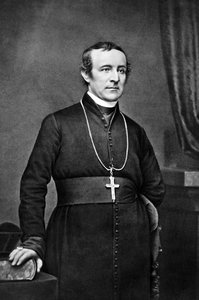
john joseph hughes
1797 - 1864
Quick Facts
- Artistic Movement Or Style: Landscape painting
- Date Of Birth: 1797
- Date Of Death: 1864
- Full Name: John Joseph Hughes
- Nationality: British
- Notable Artworks:
- Farm in Wood Lane
- Warwickshire views
- Place Of Birth: County Tyrone, Ireland

