

 Preview
 Send
Send Share
Share
 Details

 Download
 Similars
 X-Ray
X-Ray Diaporama
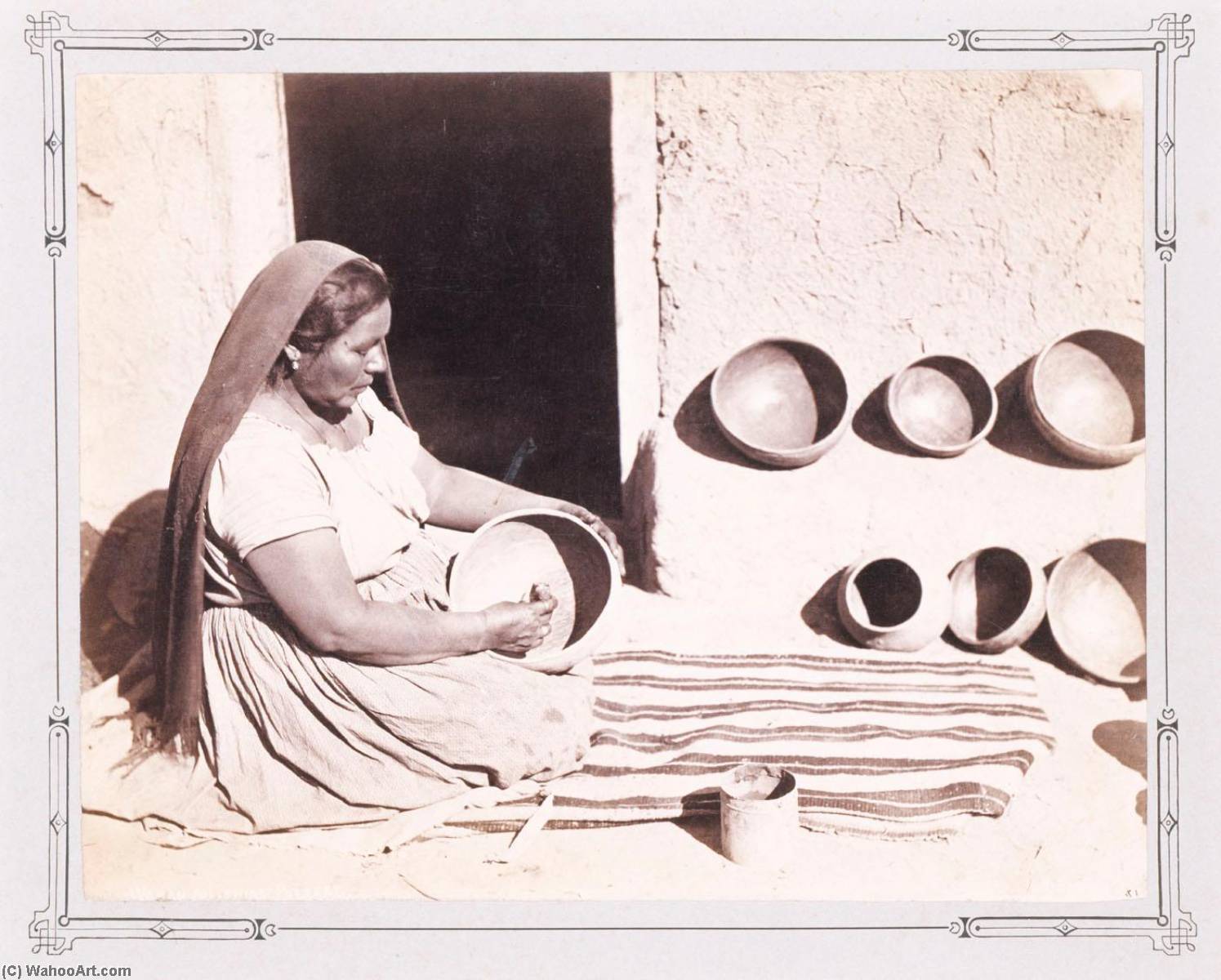
Woman Polishing Pottery
 1880
1880 18.0 x 24.0 cm
 Read More
Purchase a high-resolution, enhanced digital image, far superior to the online preview.
Each file is meticulously prepared by our in-house specialists using advanced tools and expert manual retouching. We ensure every image has exceptional clarity, precise color accuracy, and fine detail.
The final file is delivered via email within 72 hours, optimized for immediate use in professional, editorial, and print environments. This is the same quality trusted by top-tier design studios, publishers, and galleries.
Digital Image
Download a high-resolution file for personal display, printing, and creative projects. ( Buy Print Buy Hand Made Painting)
Included in Every Digital Image Order
Expert Digital Delivery, Guaranteed
When you choose ArtsDot.com, you're not just getting an image - you're receiving a professionally enhanced digital artwork, crafted with precision and backed by a satisfaction guarantee. Here's everything that comes with your order, automatically:

Fast Email Delivery
Your high-resolution digital image file will be emailed to you within 72 hours of ordering - ready for immediate use.

AI-Enhanced Digital File
Your artwork is professionally optimized using advanced AI tools and manual editing, ensuring maximum detail, clarity, and color accuracy.

Free Lifetime Re-Delivery
Accidentally deleted or lost your file? No worries - we'll resend it to you anytime, free of charge.

No Import Fees - Ever
Enjoy your artwork instantly with zero customs, duties, or delivery fees - digital downloads are always tax-free.

Color Accuracy Guarantee
We ensure your digital image reflects the original colors as closely as possible using professional tools and color management.

60-Day Satisfaction Guarantee
If you're not satisfied with your digital image, we'll revise it or refund 100% within 60 days - no questions asked.

100% Money-Back Guarantee
Not satisfied? Get a full refund within 60 days of receiving your digital file - no questions asked.

Bulk Order Discounts
Buy 3 images, save 10% - Buy 5, save 15% - Buy 10+, save 20%. Great for creative projects, galleries, and agencies.
Related Artworks




Artist Biography
John K. Hillers: A Pioneer of the American West
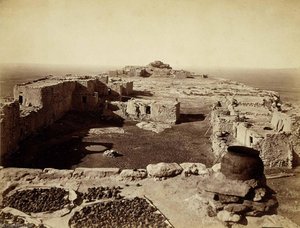
John Karl Hillers (1843, Hanover, Germany – 1925) stands as a pivotal figure in the visual documentation of the American West during the late 19th and early 20th centuries. More than simply a photographer, he was an explorer, a chronicler, and a keen observer of Native American cultures, capturing a fleeting moment in time before rapid westward expansion irrevocably altered the landscape and its inhabitants. His work, characterized by a remarkable blend of technical skill and empathetic observation, offers invaluable insights into the lives, traditions, and environments of the Pueblo peoples of New Mexico and Arizona.
Hillers’s early life was marked by a restless spirit and a fascination with the natural world. Born in Germany, he immigrated to the United States as a young man, finding employment initially as a boatman on the Colorado River. It was during this time, assisting John Wesley Powell on his groundbreaking 1871 expedition, that Hillers’s photographic talent truly began to flourish. Recognizing his aptitude for capturing images, Powell entrusted him with documenting the expedition's journey through the Grand Canyon and beyond, effectively launching Hillers’s career as a professional photographer.
The Powell Expeditions: A Foundation for His Work
Hillers’s association with Powell proved transformative. He quickly learned the intricacies of photographic equipment and techniques, adapting them to the challenging conditions of the Western frontier. His role expanded beyond simply recording images; he became a crucial member of the expedition team, contributing his skills in navigation, scouting, and even acting as a translator between the explorers and the Native American communities they encountered. The 1872 survey of the Colorado River was particularly significant, providing Hillers with extensive opportunities to photograph the diverse landscapes and cultures of the Southwest. These early images established his reputation for capturing both the grandeur of the natural world and the dignity of its people.
Following Powell’s departure, Hillers continued to work for the United States Geological Survey (USGS) under Director James Stevenson, documenting the ethnography and archaeology of various Pueblo communities. This period saw him traveling extensively throughout New Mexico and Arizona, meticulously photographing ceremonies, dwellings, tools, and daily life – a remarkable undertaking considering the limited photographic technology available at the time. His work for the Bureau of Ethnology, established by Powell himself, was particularly important in preserving visual records of Native American cultures during a period of rapid cultural change and increasing pressure from settlers.
A Unique Photographic Style
Hillers’s photographs are distinguished by their remarkable detail, atmospheric quality, and intimate portrayal of his subjects. He employed the wet-plate collodion process, a demanding technique that required meticulous preparation and immediate development – factors which undoubtedly contributed to the richness and depth of tone in his images. His compositions often emphasize the scale of the landscape, juxtaposing the small figures of Native Americans against vast canyons and mesas. He was particularly adept at capturing portraits, revealing not only physical likeness but also a sense of personality and dignity in his subjects. His photographs are not simply snapshots; they are carefully considered works of art that convey a profound respect for the people and places he documented.
Legacy and Historical Significance
John K. Hillers’s photographic legacy is immense, providing an invaluable visual record of the American Southwest during a crucial period of transformation. His images offer a rare glimpse into the lives of Native American communities before widespread settlement and cultural assimilation. His work has been widely studied by anthropologists, historians, and art scholars, serving as a vital resource for understanding the history and culture of the Pueblo peoples. Today, his photographs are housed in major museums and archives around the world, ensuring that his contributions to visual documentation will continue to be appreciated for generations to come. His dedication to preserving these images is a testament to his commitment to documenting a vanishing way of life.
john k hillers
1843 - 1925
Quick Facts
- Artistic Movement Or Style: Photography, Ethnography
- Artists Or Movements Influenced By This Artist: ['Powell Expeditions']
- Artists Who Influenced This Artist: ['John Wesley Powell']
- Date Of Birth: 1843
- Date Of Death: 1925
- Full Name: John Karl Hillers
- Nationality: American
- Notable Artworks:
- Zuni Pueblos Photographs
- Hopi Mesa Art
- Colorado River Portraits
- Place Of Birth: Hanover, Germany

