 Preview
 Send
Send Share
Share
 Details

 Download
 Similars
 X-Ray
X-Ray Diaporama
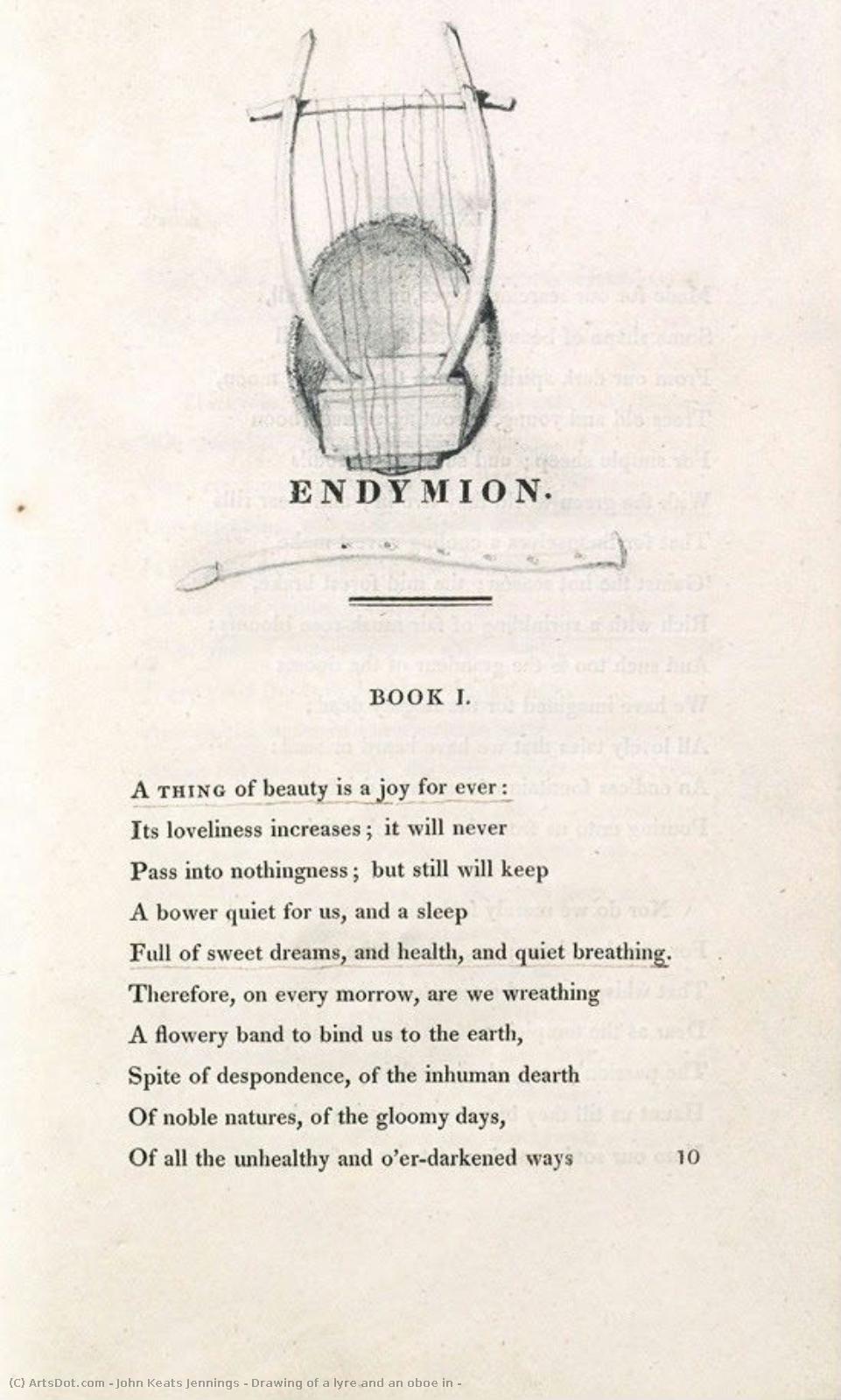
Drawing of a lyre and an oboe in


 Read More
Hand Made Oil Reproduction
Hand-painted oil on canvas in your size and frame, made to order by our artists. ( Buy Print Buy Image)




































Pick from our preset sizes that match the artwork's original proportions.

You may enter your own dimensions to fit a specific frame or space. If your selected size does not match the original image's proportions, we will either crop the artwork or extend the painting with additional hand-painted elements. A digital mockup will be sent for your approval before production begins.
Please note that the on-screen preview does not reflect the actual cropping or extension. Only the mockup will accurately show the final composition.
While custom sizes are available, we recommend selecting a dimension from the predefined list to preserve the original proportions.
After order, ArtsDot.com team will email client for instructions and provide a mockup preview
Worldwide Delivery () in 3/4 weeks instead of standard 5 weeks. (28 August). No compromise on quality.

Free Worldwide Express Shipping

High-Quality Linen Canvas

Full Shipping Insurance

Customs Tax Refund Guarantee

True Color Matching Guarantee

60-Day Return Policy (Defects Only)

100% Money-Back Guarantee

Bulk Discount Offer
 Glass option is only available in size under 110 CM

Drawing of a lyre and an oboe in
Reproduction Medium
Reproduction Size
-


Total Price
$ 263
Related Artworks


Artist Biography
A Brief Blaze of Glory: The Life and Legacy of John Keats
John Keats, born in London in 1795, remains one of the most beloved figures of the English Romantic movement, a poet whose work continues to resonate with its profound sensitivity and exploration of beauty. His life, tragically short, spanned just twenty-five years, yet within that fleeting time he produced a body of poetry that secured his place among the literary giants. Keats’s origins were humble; his father was a stable keeper, and though he received a solid education at a boarding school in Enfield, his formal studies were cut short by family tragedy – the deaths of his mother and brother. This early exposure to loss profoundly shaped his artistic sensibility, imbuing his verse with a melancholic awareness of mortality and the ephemeral nature of joy. He pursued medicine initially, but his true calling lay elsewhere, ignited by an intense passion for literature, particularly Shakespeare, which he encountered during his studies.The Flowering of Romantic Vision
Keats emerged as a significant voice within the second generation of Romantic poets, alongside Lord Byron and Percy Bysshe Shelley. However, unlike their often rebellious and politically charged works, Keats’s poetry focused on the sensual experience of beauty – its power to both elevate and torment. He wasn't concerned with grand narratives or social critique; instead, he delved into the intricacies of human emotion, exploring themes of love, loss, nature, and the artistic process itself. His early poems, like “On Poesy” (1817), demonstrate a burgeoning talent grappling with poetic form and ambition. He quickly moved beyond imitation, developing a distinctive style characterized by rich imagery, evocative language, and a deep appreciation for classical mythology. His dedication to beauty wasn’t merely aesthetic; it was a philosophical pursuit, a way of understanding the world and finding solace in its fleeting moments of perfection.Odes and Artistic Exploration
The year 1819 proved pivotal, witnessing the creation of Keats's most celebrated odes – “Ode to a Nightingale,” “Ode on a Grecian Urn,” “Ode to Psyche,” "To Autumn" among others. These poems are not simply celebrations of their subjects; they are complex meditations on the relationship between beauty and truth, joy and sorrow, mortality and immortality. “Ode on a Grecian Urn”, perhaps his most famous work, exemplifies this exploration, contemplating the enduring power of art to transcend time while simultaneously acknowledging its inherent stillness and separation from life’s vibrant flux. Beyond poetry, Keats also engaged in visual arts, creating several drawings – notably depictions of a lyre and an oboe. These sketches, though less known than his poems, reveal another facet of his creative spirit, demonstrating a desire to express himself through multiple mediums. They offer insight into his aesthetic sensibilities and the importance he placed on sensory experience.A Legacy Forged in Suffering
Keats’s career was tragically curtailed by illness – tuberculosis, which claimed his life in Rome in 1821. During his final years, despite debilitating health, he continued to write with remarkable intensity, producing works like “The Eve of St. Agnes” and the unfinished epic poem *Hyperion*. His poetry received little recognition during his lifetime; it was often dismissed or harshly criticized by contemporary reviewers. However, following his death, Keats’s work began to gain increasing attention, championed by Shelley and other literary figures. He became a symbol of Romantic idealism, a poet who sacrificed himself for art.- His influence on subsequent generations of poets has been profound.
- Keats's emphasis on sensory experience paved the way for aestheticism and symbolism in later movements.
- The exploration of psychological states within his poetry anticipated modernist concerns.
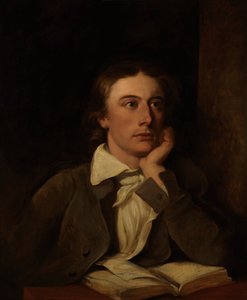
john keats jennings
1795 - 1821 , United Kingdom
Quick Facts
- Artistic Movement Or Style: Romantic poet
- Artists Or Movements Influenced By This Artist: ['Pre-Raphaelite Brotherhood']
- Artists Who Influenced This Artist:
- William Wordsworth
- Lord Byron
- Percy Bysshe Shelley
- Date Of Birth: 1795-10-31
- Date Of Death: 1821-02-23
- Full Name: John Keats Jennings
- Nationality: English
- Notable Artworks:
- Ode on a Nightingale
- La Belle Dame Sans Merci
- Ode to a Grecian Urn
- Place Of Birth: London, United Kingdom