 Preview
 Send
Send Share
Share
 Details

 Download
 Similars
 X-Ray
X-Ray Diaporama
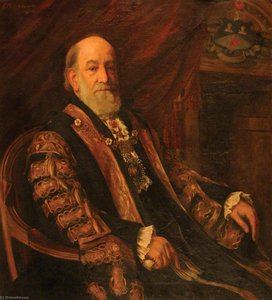
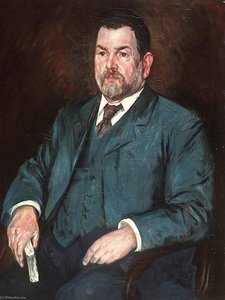
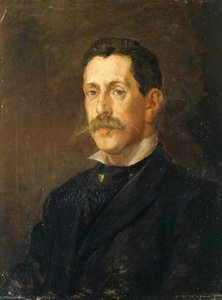
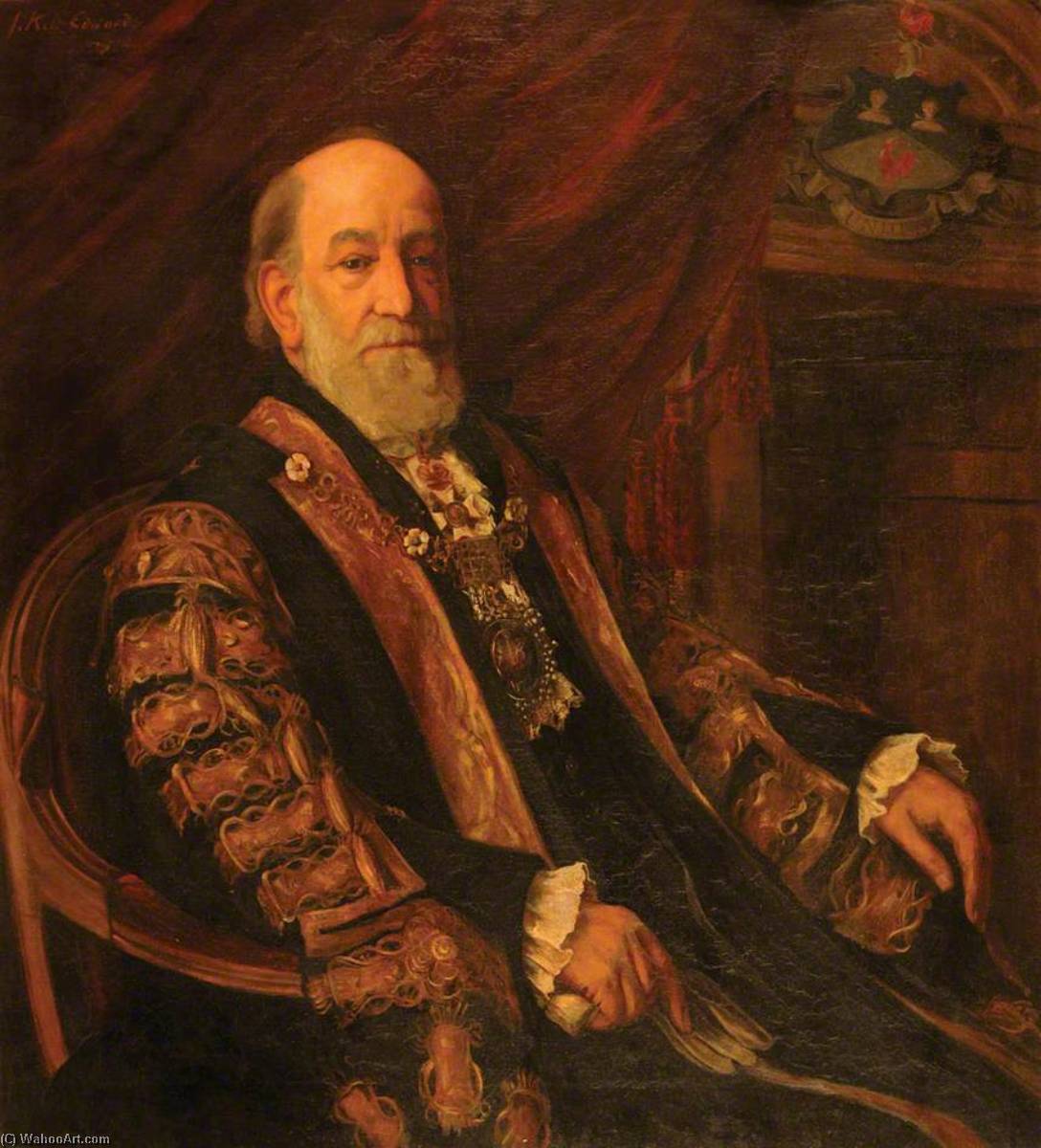
Sir William Vaughan Morgan (1831–1916), Lord Mayor of London (1905)
 Oil
Oil- WallArt
- Realism
 19th Century
 104.0 x 94.0 cm
 Guildhall Art Gallery
 Read More
Giclée / Art Print
Museum-quality giclée or canvas print with fast production and flexible finish options. ( Buy Hand Made Painting Buy Image)




P118B $10

P118H $10

P118W $10

P438Z $10

P508JH $12

P508YH $12

P805H $10

P805Z $10

P919BZ $10

P919G $10

P919XJ $10

P959ZH $10

P968JZ $12

W106C $8

W218G $10

W218JH $8

W218Y $10

W307PJ $10

W316G $10

W316PJ $8

W316Y $10

W398PJ $8

W4111J $10

W500HY $15

W500JH $15

W692G $12

W849H $8

W940BG $15

W953PJ $8




Pick from our preset sizes that match the artwork's original proportions.

You may enter your own dimensions to fit a specific frame or space. If your selected size does not match the original image's proportions, we will either crop the artwork or extend the image with a mirrored or solid-fill edge. A digital mockup will be sent for your approval before production begins.
Please note that the on-screen preview does not reflect the actual cropping or extension. Only the mockup will accurately show the final composition.
While custom sizes are available, we recommend selecting a dimension from the predefined list to preserve the original proportions.
Worldwide Delivery () in 2 weeks instead of standard 4/5 weeks. (24 August)

Free Worldwide Express Shipping

High-Quality Linen Canvas

Full Shipping Insurance

Customs Tax Refund Guarantee

True Color Matching Guarantee

60-Day Return Policy (Defects Only)

100% Money-Back Guarantee

Bulk Discount Offer
 Glass option is only available in size under 110 CM

Sir William Vaughan Morgan (1831–1916), Lord Mayor of London (1905)
Giclée / Art Print
Reproduction Size
-


Total Price
$ 63
Collectible Description
A Portrait of Dignity: The Presence of Sir William Vaughan Morgan
In this commanding portrait, we are invited into the private, dignified world of Sir William Vaughan Morgan, a man whose very posture commands respect and reflects the weight of his historical significance as the Lord Mayor of London. The painting captures an elder statesman in a moment of quiet repose, yet the energy within the frame is one of profound authority. Seated with hands crossed, Morgan’s presence is anchored by the meticulous rendering of his formal attire—the crisp lines of his suit and the precise knot of his tie serving as symbols of the order and responsibility he embodied during his tenure in 1905. The artist uses a masterful interplay of light and shadow to sculpt the textures of his white beard and mustache, lending a tactile realism that makes the subject feel vibrantly alive, as if he might speak at any moment from the depths of the canvas.
The composition is enriched by a dramatic, theatrical backdrop of deep red curtains, which envelops the subject in an atmosphere of classical elegance. This choice of setting does more than provide a luxurious texture; it creates a sense of ceremonial importance, reminiscent of the grand halls of London’s civic institutions. While the foreground focuses intensely on the character and weathered wisdom of Morgan, the subtle presence of figures in the background adds a layer of narrative depth. These secondary subjects, rendered with softer focus, suggest a bustling world of social significance and public duty, placing the individual within the larger tapestry of Edwardian society. This layering of focus creates a beautiful tension between the intimacy of a personal portrait and the grandeur of a historical document.
For the discerning collector or interior designer, this piece offers much more than mere decoration; it serves as a window into a bygone era of British prestige. The technique employed by John Kelt Edwards demonstrates a sophisticated command of tonal values, ensuring that the painting retains its emotional impact regardless of the lighting in a room. Whether placed in a traditional study, a formal library, or a contemporary gallery space, the artwork acts as a focal point of conversation and sophistication. It evokes a sense of timelessness, making it an ideal acquisition for those who seek to infuse their surroundings with a sense of heritage, stability, and the enduring grace of historical portraiture.
Related Artworks

Artist Biography
John Kelt Edwards: A Welsh Visionary of the Early 20th Century
Born in 1875 amidst the rugged beauty of Blaenau Ffestiniog, Wales, John Kelt Edwards emerged as a distinctive figure in late Victorian and Edwardian art – a skilled artist and cartoonist whose work captured both the spirit of his homeland and the evolving currents of British society. His life was one of quiet dedication to his craft, punctuated by periods of travel, artistic study, and ultimately, a profound connection to the landscapes and people of Wales. Edwards’ legacy lies not in grand exhibitions or widespread fame during his lifetime, but rather in a collection of evocative portraits, detailed illustrations, and poignant social commentary that offer a unique window into a bygone era.
Edwards' early life was shaped by his family’s modest circumstances – his father, Jonathan Edwards, ran an ironmongers shop, providing a grounding in practicality alongside the burgeoning artistic inclinations of his son. Education began at a local primary school before progressing to Llandovery College and Beaumont Academy in Jersey, experiences that instilled a foundation in traditional art techniques while exposing him to broader European influences. This early exposure proved crucial, leading him to study engraving in Wolverhampton and ultimately pursuing formal training at the École des Beaux-Arts in Paris – a pivotal moment that honed his skills and broadened his artistic horizons.
A Career Bridging Art and Social Commentary
Returning to Wales after his Parisian studies, Edwards initially found work as an engraver before quickly establishing himself as a portrait artist. He possessed a remarkable ability to capture the essence of his subjects – from prominent Welsh figures like Lloyd George and Megan Lloyd George to local characters and members of the community. His portraits weren’t merely likenesses; they conveyed personality, emotion, and a sense of place. He was particularly celebrated for his charcoal drawings, often capturing intimate moments and revealing subtle nuances in expression.
Beyond portraiture, Edwards also contributed significantly to Welsh publishing, producing illustrations for books and magazines such as Cymru and the satirical journal Y Winllan. These commissions provided an opportunity to explore a wider range of subjects – landscapes, historical events, and social commentary. His work during this period reflects a growing awareness of Welsh identity and culture, alongside a keen observation of the realities of everyday life.
A significant turning point in Edwards’ career came with his involvement in wartime design. During World War I, he was commissioned to create badges and banners for the Comrades of the Great War, demonstrating his versatility and ability to adapt his artistic skills to meet specific needs. Later, during the Second World War, he produced poignant war cartoons for newspapers, offering a critical perspective on the conflict.
Style and Influences
Edwards’ style was characterized by a meticulous attention to detail, informed by his training in engraving and drawing. He employed a range of media – pencil, charcoal, watercolor, pen and ink, and oil paint – each chosen to best suit the subject matter and desired effect. His portraits often featured soft lighting and subtle shading, creating a sense of intimacy and realism. His landscape paintings captured the dramatic beauty of the Welsh countryside with a keen eye for color and composition.
While influenced by the Pre-Raphaelites and the Aesthetic Movement, Edwards developed a distinctly individual style – rooted in his Welsh heritage and shaped by his experiences traveling throughout Europe. He was particularly drawn to the work of John Frederick Lewis, whose Orientalist paintings demonstrated a masterful command of detail and a sensitivity to cultural nuances. Edwards’ own work often reflected this same appreciation for detail and a fascination with human character.
Legacy and Rediscovery
Despite his talent and dedication, Edwards never achieved widespread recognition during his lifetime. His work remained largely confined to Wales, and he struggled to secure the commissions necessary to establish a successful career. However, in recent decades, there has been a growing interest in his art – fueled by research at the National Library of Wales and the People’s Collection Wales. His letters to T. Gwynn Jones offer valuable insights into his artistic process and personal life.
Today, John Kelt Edwards is recognized as a significant figure in Welsh art history – an artist who captured the spirit of his time with remarkable skill and sensitivity. His portraits, illustrations, and social commentary provide a unique perspective on Victorian and Edwardian Wales, offering a glimpse into the lives and experiences of ordinary people.
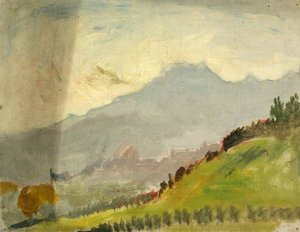
john kelt edwards
1875 - 1934
Quick Facts
- Artistic Movement Or Style: Cartoonist, Illustrator
- Artists Or Movements Influenced By This Artist:
- Pre-Raphaelites
- Orientalism
- Artists Who Influenced This Artist:
- Beaumont Academy
- Ecole de Beaux Arts
- Date Of Birth: 4 Mar 1875
- Date Of Death: 11 Oct 1934
- Full Name: John Kelt Edwards
- Nationality: Welsh
- Notable Artworks:
- Hedd Wyn portrait
- Lloyd George portrait
- Mabinogion illustrations
- Place Of Birth: Blaenau Ffestiniog, Wales
Related Articles
Sir Joshua Reynolds' Masterpieces: 25 Portraits of Power & Refinement | ArtsDot
Explore 25 captivating portraits by Sir Joshua Reynolds, a master of British art. Discover stories behind his iconic paintings, elegant style & historical influence. Find museum-quality reproductions and elevate your home decor on ArtsDot.com.

White on Canvas: 10 Masterpieces & Timeless Elegance for Your Home Decor
Explore 10 iconic white paintings by Monet, Whistler & Rothko! Discover the stories behind these serene masterpieces and their impact on art history. Find museum-quality reproductions for your home decor at .
Sir Alfred Munnings' Masterpieces: 25 Paintings That Define Equine Art | ArtsDot
Explore 25 iconic Sir Alfred Munnings paintings! Discover the beauty of British Impressionism, equine art & rural England. Find museum-quality reproductions and elevate your home decor with ArtsDot. Explore the full collection online.
Sir William Orpen: A Study in Edwardian Portraiture & the Shadows of Modernity
Explore the life & art of Sir William Orpen, a master of Edwardian portraiture and poignant WWI depictions. Discover his unique realism, psychological depth, and enduring legacy in this insightful analysis.
Sir William Blake Richmond: A Visionary of Aestheticism & Symbolism
Explore the life & art of Sir William Blake Richmond, a pivotal figure bridging Pre-Raphaelitism and Aestheticism. Discover his stunning portraits, mosaics at St Paul's Cathedral, and lasting influence on Victorian art.