 Preview
 Send
Send Share
Share
 Details

 Download
 Similars
 X-Ray
X-Ray Diaporama
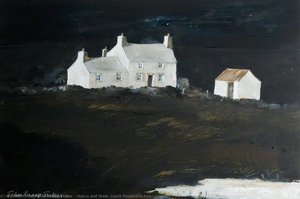
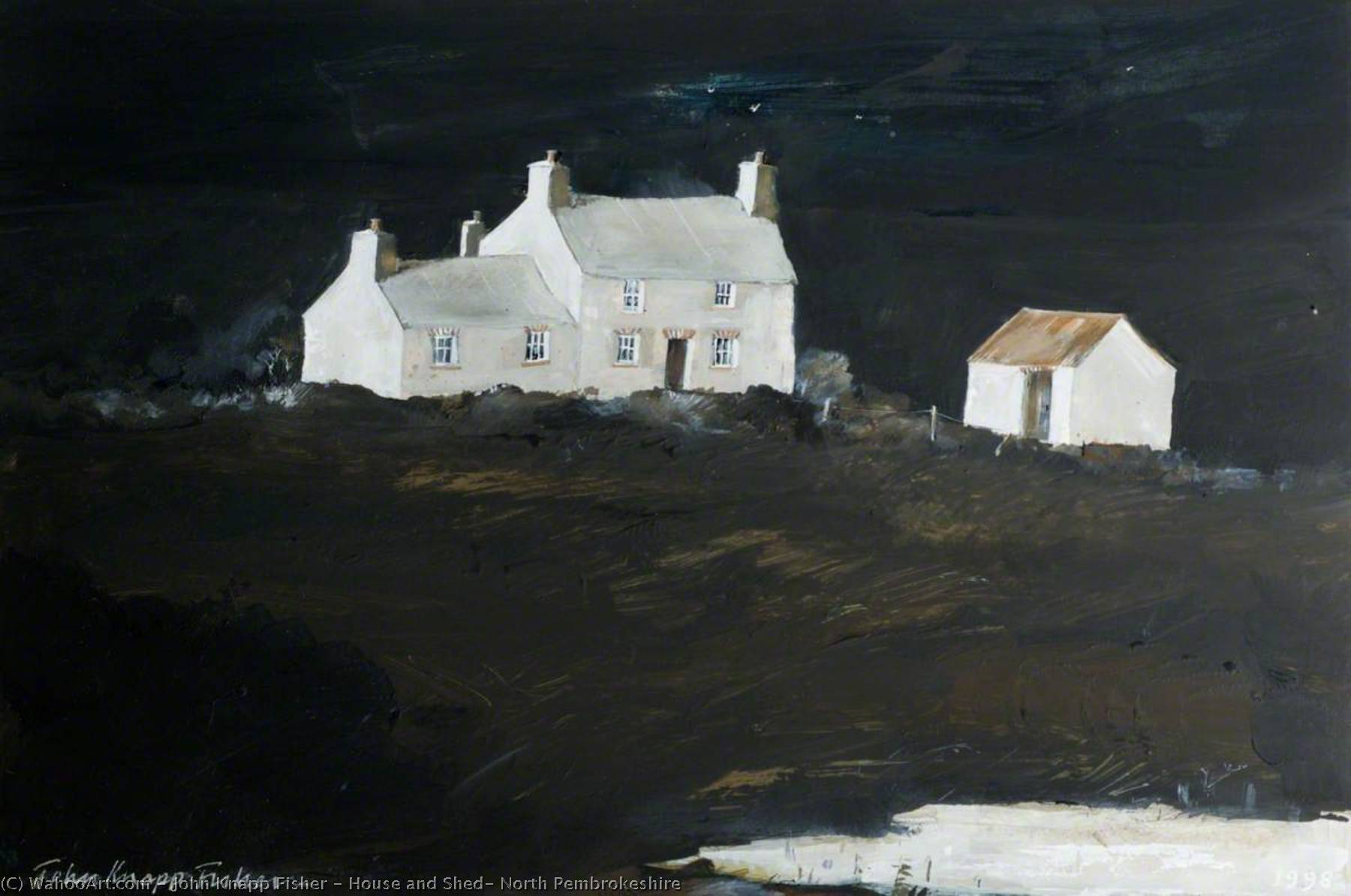
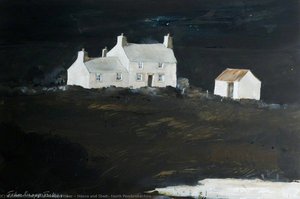
House and Shed, North Pembrokeshire
 1998
1998 38.0 x 57.0 cm
 Read More
Hand Made Oil Reproduction
Hand-painted oil on canvas in your size and frame, made to order by our artists. ( Buy Print Buy Image)




































Pick from our preset sizes that match the artwork's original proportions.

You may enter your own dimensions to fit a specific frame or space. If your selected size does not match the original image's proportions, we will either crop the artwork or extend the painting with additional hand-painted elements. A digital mockup will be sent for your approval before production begins.
Please note that the on-screen preview does not reflect the actual cropping or extension. Only the mockup will accurately show the final composition.
While custom sizes are available, we recommend selecting a dimension from the predefined list to preserve the original proportions.
After order, ArtsDot.com team will email client for instructions and provide a mockup preview
Worldwide Delivery () in 3/4 weeks instead of standard 5 weeks. (28 August). No compromise on quality.

Free Worldwide Express Shipping

High-Quality Linen Canvas

Full Shipping Insurance

Customs Tax Refund Guarantee

True Color Matching Guarantee

60-Day Return Policy (Defects Only)

100% Money-Back Guarantee

Bulk Discount Offer
 Glass option is only available in size under 110 CM

House and Shed, North Pembrokeshire
Reproduction Medium
Reproduction Size
-


Total Price
$ 263
Related Artworks










Artist Biography
The Poet of the Pembrokeshire Coast
To wander through the works of John Knapp-Fisher is to embark on a sensory journey across the rugged, salt-sprayed edges of West Wales. Born in London in 1931, the son of an esteemed Professor of Architecture, Fisher’s artistic lineage was rooted in a deep appreciation for structure and form. However, his soul found its true resonance not in the architectural blueprints of the city, but in the shifting light and maritime rhythms of the Pembrokes andhire coastline. After honing his skills in graphic design at the Maidstone College of Art, he traversed diverse professional landscapes—from the meticulous world of exhibition design to the dramatic, shadow-filled realms of theatre production. These early disciplines gifted him with a profound understanding of composition and the theatricality of light, elements that would later become the hallmarks of his landscape mastery.
The year 1965 marked a pivotal transformation in his life when he relocated to Croesgoch. It was here, amidst the undulating hills and secluded harbors of Wales, that the artist truly emerged. Moving away from the structured constraints of design, he embraced a more visceral, observational approach to painting. He became a devotee of the daily ritual, believing that the act of creation required constant, rhythmic discipline. He famously likened the painter’s practice to that of a dancer, suggesting that one must "oil the hinges" through the persistent habit of small, frequent sketches. This commitment to direct observation meant that he rarely relied on the convenience of photography; instead, his canvases were born from the intimate memory of his notebooks and the raw, unmediated experience of standing before the sea.
Light, Shadow, and the Art of Observation
Fisher’s technique was characterized by a striking use of chiaroscuro, a method that allowed him to breathe life into the Welsh landscape. His palette often leaned toward evocative earth tones, punctuated by brilliant highlights that seemed to emerge from deep, atmospheric shadows. He possessed a singular ability to capture the way light interacts with whitewashed cottages and weathered stone walls, making them appear as if they were glowing against the moody, overcast skies of the Atlantic coast. This interplay of light and dark did more than just replicate visual reality; it imbued his subjects—such as the tranquil harbor of Porthgain or the winding lanes of Tenby—with a sense of profound emotional resonance and quiet melancholy.
His artistic process was an exercise in capturing the ephemeral. By working from detailed sketches rather than static references, he could translate the movement of clouds, the spray of the tide, and the changing temperature of the afternoon sun into permanent pigment. This approach resulted in works that felt alive, possessing a certain poetic rhythm that earned him the reputation of being a "poet of the landscape." Whether through the delicate transparency of his watercolors or the more robust textures of his oils, Fisher sought to convey the very atmosphere of the coast—the dampness of the air, the scent of salt, and the timelessness of the Welsh terrain.
A Lasting Legacy in the Welsh Landscape
Throughout his prolific career, John Knapp-Fisher’s influence extended far beyond the borders of Pembrokeshire. His work found audiences across Europe, North America, and Africa, with a particularly memorable retrospective held at the Johannesburg Art Gallery to celebrate his eight0th birthday. Such international recognition underscored the universal appeal of his localized subject matter; though his scenes were deeply rooted in Welsh soil, the emotions they evoked—solitude, peace, and awe—were globally understood. His professional standing was further solidified in 1992 when he was elected a member of the Royal Cambrian Academy of Art, a prestigious honor that cemented his status within the British artistic canon.
Today, the legacy of Knapp-Fisher lives on through the collections that house his vision, including the USC Fisher Museum of Art. His paintings remain more than mere depictions of geography; they are windows into a specific time and place, preserved with an artist's devotion to truth and beauty. To look upon a piece like ‘Cresswell Street, Tenby’ is to experience the enduring charm of a Welsh village through the eyes of a man who spent his life learning how to truly see. His life’s work stands as a testament to the power of daily practice and the profound connection that can exist between an artist and the land they call home.
john knapp fisher
1931 - 2015
Quick Facts
- Artistic Movement Or Style: Landscape Painting
- Artists Or Movements Influenced By This Artist: ['Romanticism']
- Artists Who Influenced This Artist: ['Arthur Bedford Knapp-Fisher']
- Date Of Birth: 1931
- Date Of Death: 2015
- Full Name: John Knapp Fisher
- Nationality: British
- Notable Artworks:
- Cresswell Street, Tenby
- Porthgain
- House and Shed, North Pembrokeshire
- Place Of Birth: London, United Kingdom