 Preview
 Send
Send Share
Share
 Details

 Download
 Similars
 X-Ray
X-Ray Diaporama
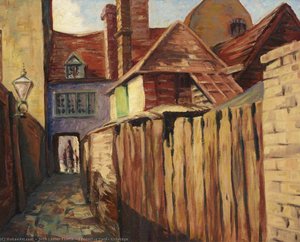
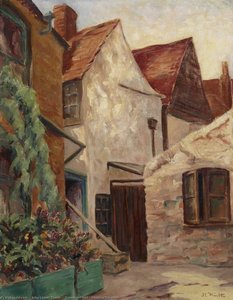
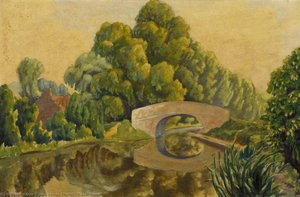
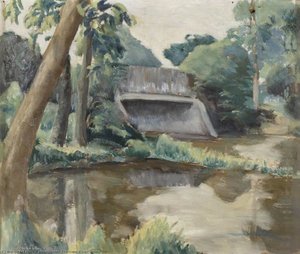
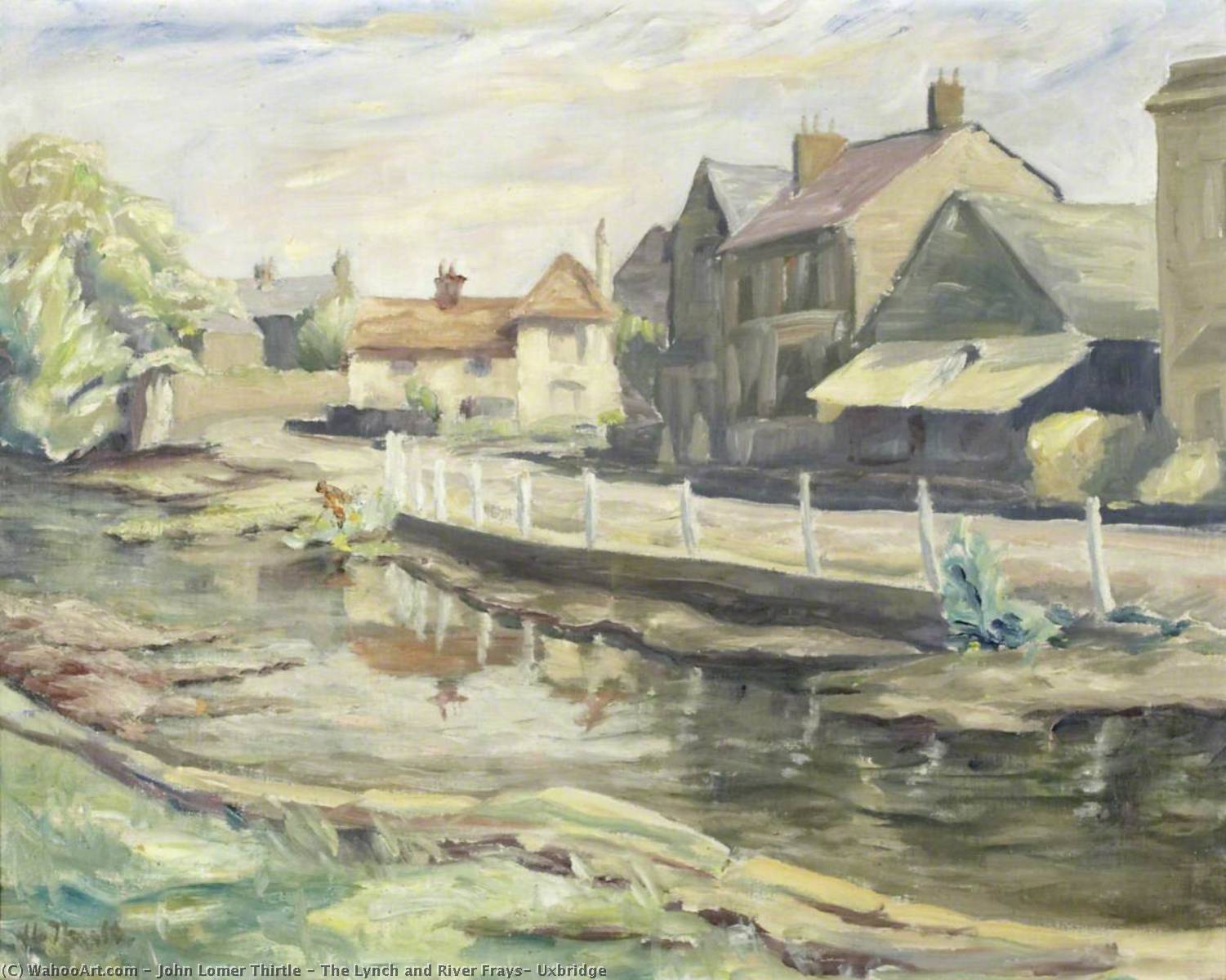
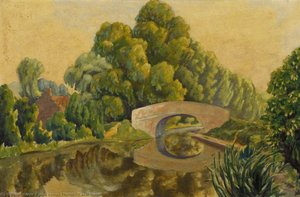
The Lynch and River Frays, Uxbridge
 1949
1949 39.0 x 50.0 cm
 Hillingdon Local Studies
 Read More
Hand Made Oil Reproduction
Hand-painted oil on canvas in your size and frame, made to order by our artists. ( Buy Print Buy Image)




































Pick from our preset sizes that match the artwork's original proportions.

You may enter your own dimensions to fit a specific frame or space. If your selected size does not match the original image's proportions, we will either crop the artwork or extend the painting with additional hand-painted elements. A digital mockup will be sent for your approval before production begins.
Please note that the on-screen preview does not reflect the actual cropping or extension. Only the mockup will accurately show the final composition.
While custom sizes are available, we recommend selecting a dimension from the predefined list to preserve the original proportions.
After order, ArtsDot.com team will email client for instructions and provide a mockup preview
Worldwide Delivery () in 3/4 weeks instead of standard 5 weeks. (22 August). No compromise on quality.

Free Worldwide Express Shipping

High-Quality Linen Canvas

Full Shipping Insurance

Customs Tax Refund Guarantee

True Color Matching Guarantee

60-Day Return Policy (Defects Only)

100% Money-Back Guarantee

Bulk Discount Offer
 Glass option is only available in size under 110 CM

The Lynch and River Frays, Uxbridge
Reproduction Medium
Reproduction Size
-


Total Price
$ 263
Related Artworks









Artist Biography
John Lomer Thirtle: A Quiet Master of the Norwich School
John Lomer Thirtle, born in Norwich around 1777 and passing away in 1839, remains a somewhat enigmatic figure within the rich tapestry of British art. While not as widely celebrated as his contemporaries like John Crome or John Sell Cotman, Thirtle’s contribution to the Norwich School is undeniable – he was a dedicated observer of everyday life, a skilled craftsman, and a subtle innovator in watercolour technique. His legacy lies primarily in his evocative depictions of rural England, particularly the landscapes surrounding Uxbridge and Windsor, offering intimate glimpses into the lives and routines of ordinary people during the late 18th and early 19th centuries.
Thirtle’s early life is shrouded in a degree of obscurity. Records indicate he was born in Norwich, where he spent most of his days. He began his career as an apprentice to a frame-maker in London, a skill that would profoundly influence his artistic practice throughout his life. This experience instilled a meticulous attention to detail and a deep understanding of materials – qualities that translated seamlessly into his paintings. Interestingly, before dedicating himself fully to landscape painting, Thirtle worked as a drawing-master, a printseller, and even dabbled in the production of looking glasses, demonstrating a diverse skillset and an entrepreneurial spirit.
The Landscapes of Uxbridge and Windsor
Thirtle’s most celebrated works depict scenes from the areas around Uxbridge and Windsor. These weren't grand, sweeping vistas; rather, they were carefully observed studies of domestic life, agricultural activity, and the interplay between man and nature. His paintings of “Laundry Yard, Uxbridge” and “Bennett’s Yard, Uxbridge,” for example, capture the rhythms of rural industry with remarkable precision. The figures are rendered with a quiet dignity, engaged in their daily tasks – washing clothes, tending to livestock, or simply resting in the shade. These scenes aren't romanticized; they present a realistic portrayal of working-class life, offering a valuable historical record.
The artist’s choice of subject matter reflects his connection to the Methodist community that thrived in Norwich and surrounding areas. Many of his paintings depict scenes of rural churches, meeting houses, and social gatherings – providing insights into the religious and social fabric of the time. His work is often characterized by a muted palette and a subtle use of light, creating an atmosphere of tranquility and contemplation. He was particularly adept at capturing the atmospheric effects of mist and rain, lending his landscapes a melancholic beauty.
Technique and Influences
Thirtle’s watercolour technique is notable for its restraint and precision. Unlike some of his more flamboyant contemporaries, he favored a delicate approach, building up layers of translucent washes to create subtle tonal variations and atmospheric effects. His use of colour was often understated, relying on carefully chosen hues to evoke mood and atmosphere rather than creating bold, dramatic statements. He drew heavily upon the teachings of John Crome, another key figure in the Norwich School, particularly in his attention to detail and his ability to capture the nuances of light and shadow.
However, Thirtle possessed a unique artistic sensibility that distinguished him from Crome. While Crome often focused on dramatic landscapes, Thirtle was more interested in portraying the everyday lives of ordinary people. His work also demonstrates an influence from the Dutch Masters, particularly in his use of light and shadow to create depth and atmosphere. It’s believed he studied the works of Rembrandt and other Dutch masters during his time in London.
Legacy and Historical Significance
Despite not achieving widespread fame during his lifetime, John Lomer Thirtle's work has been increasingly recognized for its historical value and artistic merit in recent decades. His paintings offer a unique window into the lives of ordinary people in 18th-century England, providing valuable insights into rural society, religious practices, and the changing landscape of Britain. His meticulous observation, combined with his skillful technique, makes him a significant, if often overlooked, contributor to the Norwich School of Artists.
The Mandell’s Gallery exhibition in 2022, showcasing eight of Thirtle's watercolours alongside a painting by John Berney Crome framed by Thirtle himself, underscores his importance within the artistic community. Further research into his life and work continues to reveal new details about this quiet but accomplished artist, solidifying his place as a valuable voice in British art history.
Quick Facts
- Artistic Movement Or Style: Norwich School
- Artists Or Movements Influenced By This Artist: ['None listed']
- Artists Who Influenced This Artist:
- John Crome
- John Sell Cotman
- Date Of Death: 1839
- Full Name: John Lomer Thirtle
- Nationality: British
- Notable Artworks:
- Laundry Yard, Uxbridge
- Bennett's Yard, Uxbridge
- The Lynch and River Frays, Uxbridge
- Place Of Birth: Norwich, England