 Preview
 Send
Send Share
Share
 Details

 Download
 Similars
 X-Ray
X-Ray Diaporama
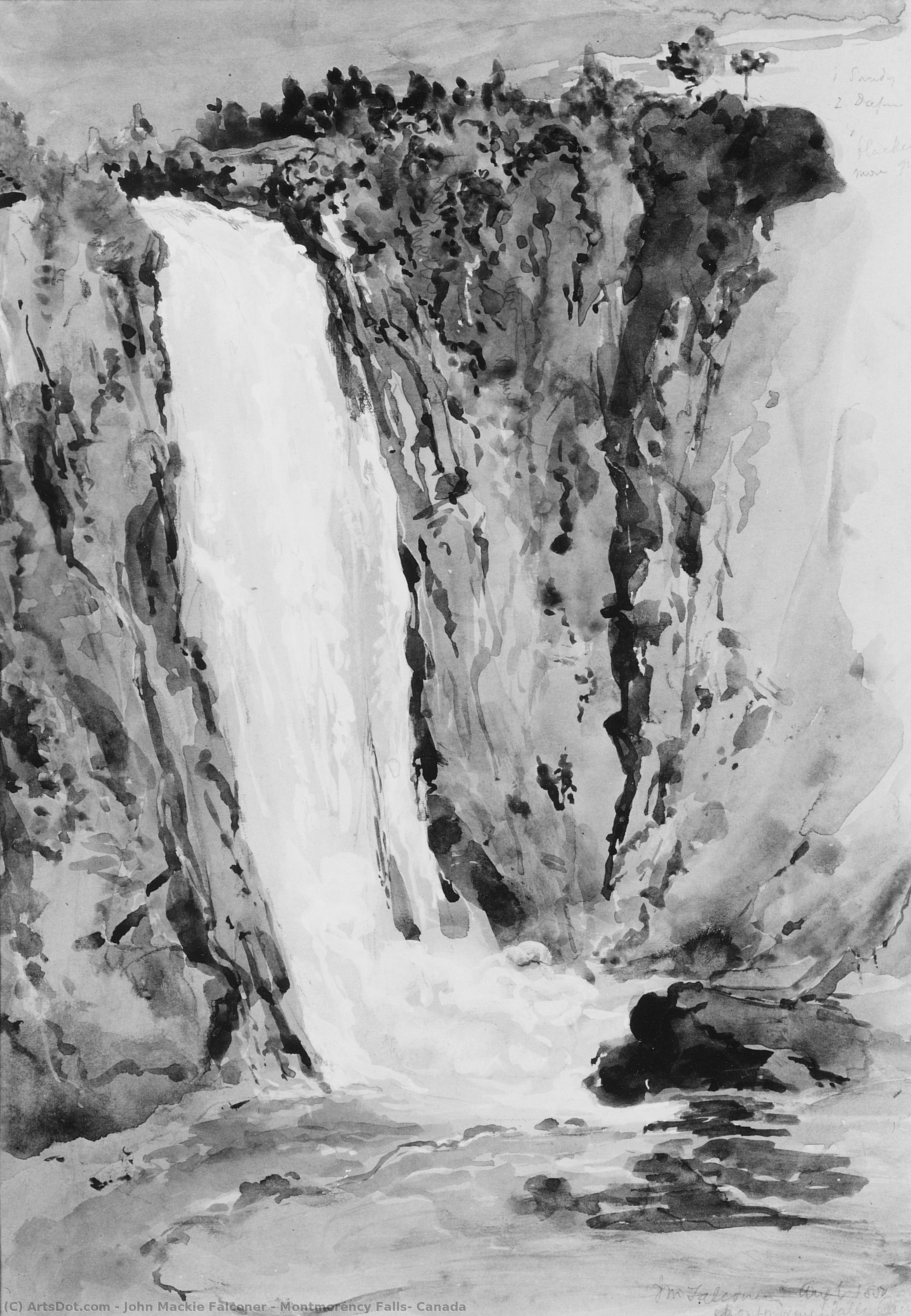
Montmorency Falls, Canada
 1850
1850 35.0 x 25.0 cm
 Read More
Hand Made Oil Reproduction
Hand-painted oil on canvas in your size and frame, made to order by our artists. ( Buy Print Buy Image)




































Pick from our preset sizes that match the artwork's original proportions.

You may enter your own dimensions to fit a specific frame or space. If your selected size does not match the original image's proportions, we will either crop the artwork or extend the painting with additional hand-painted elements. A digital mockup will be sent for your approval before production begins.
Please note that the on-screen preview does not reflect the actual cropping or extension. Only the mockup will accurately show the final composition.
While custom sizes are available, we recommend selecting a dimension from the predefined list to preserve the original proportions.
After order, ArtsDot.com team will email client for instructions and provide a mockup preview
Worldwide Delivery () in 3/4 weeks instead of standard 5 weeks. (22 August). No compromise on quality.

Free Worldwide Express Shipping

High-Quality Linen Canvas

Full Shipping Insurance

Customs Tax Refund Guarantee

True Color Matching Guarantee

60-Day Return Policy (Defects Only)

100% Money-Back Guarantee

Bulk Discount Offer
 Glass option is only available in size under 110 CM

Montmorency Falls, Canada
Reproduction Medium
Reproduction Size
-


Total Price
$ 263
Related Artworks






Artist Biography
John Mackie Falconer: A Pioneer of Ruin and Light
Born in the bustling heart of Edinburgh, Scotland, on May 22, 1820, John Mackie Falconer’s artistic journey began amidst a landscape steeped in both industrial progress and fading grandeur. His early life provided little indication of the singular path he would forge – one dedicated to capturing the evocative beauty of decaying structures and the subtle interplay of light and shadow. Falconer's formative years were spent absorbing the rich cultural tapestry of Scotland, an environment that would profoundly influence his later artistic sensibilities. He arrived in America in 1836, a young man seeking opportunity and a new life within the burgeoning nation, forever altering the course of his creative development.
Falconer’s artistic trajectory was shaped significantly by the influential movement known as the Hudson River School. This group of American landscape painters, including Thomas Cole, Asher B. Durand, and Jasper Francis Cropsey, championed a romantic vision of America's natural beauty, often depicting vast wilderness scenes and historical subjects. Falconer found kinship with these artists, adopting their emphasis on atmospheric perspective, dramatic lighting, and a deep connection to the land – though he distinguished himself through his particular focus on man-made ruins and the poignant stories they held.
The Etcher’s Eye: Technique and Subject Matter
Falconer's primary medium was etching, a technique that allowed him to meticulously render intricate details while simultaneously conveying mood and atmosphere. He mastered the subtle gradations of tone achievable through varying line weight and bite, creating images imbued with a remarkable sense of realism and emotional depth. Unlike many of his contemporaries who favored grand vistas, Falconer’s subjects were often humble: crumbling castles, forgotten churches, abandoned mills, and the remnants of bygone eras. These weren't simply depictions of decay; they were meditations on time, memory, and the passage of history.
His process involved painstaking labor – multiple plates were created for each image, each layer carefully etched to build up the final composition. He was known for his meticulous attention to detail, capturing the textures of weathered stone, the play of light on crumbling walls, and the subtle shifts in color that spoke volumes about a structure’s past. Falconer's work wasn't merely observational; it was deeply felt – he sought to evoke a sense of melancholy beauty, suggesting both the grandeur of what once was and the inevitable march of time.
A Scottish-American Hybrid: Influences and Style
Falconer’s artistic identity was uniquely shaped by his dual heritage. His early training in Scotland instilled within him a deep appreciation for Romanticism and a sensitivity to the dramatic qualities of light and shadow, while his experiences in America exposed him to a new landscape – one characterized by its own blend of natural beauty and industrial development. This fusion is evident in his work, which often combines elements of both Scottish and American artistic traditions.
He drew inspiration from the ruins he encountered throughout New York State and beyond, meticulously documenting their architectural details and atmospheric qualities. His etchings of St. John’s Co-Cathedral in Malta, for example, demonstrate a remarkable ability to capture the solemn beauty of a crumbling religious edifice. Furthermore, his studies of Montmorency Falls, Canada, showcase his mastery of capturing the ethereal quality of light filtering through mist and foliage – a hallmark of the Hudson River School aesthetic.
Legacy and Recognition
John Mackie Falconer’s work gained recognition throughout his career, culminating in exhibitions at prestigious institutions such as the Metropolitan Museum of Art, the Museum of Fine Arts in Boston, and the Brooklyn Museum of Art. His etchings are now held in significant collections across North America and Europe, a testament to their enduring appeal. He died peacefully on March 12, 1903, leaving behind a body of work that continues to resonate with viewers today.
Falconer’s legacy extends beyond his individual achievements. He played a crucial role in the development of etching as a fine art medium in America, and his meticulous approach to subject matter and technique influenced generations of artists. His focus on ruins and forgotten places served as a poignant reminder of the ephemeral nature of human endeavor – a theme that continues to captivate audiences seeking beauty amidst decay.
Further Exploration
- Key Works: Montmorency Falls, Canada; St. John’s Co-Cathedral
- Museum Collections: Metropolitan Museum of Art, New York; Museum of Fine Arts, Boston; Brooklyn Museum of Art
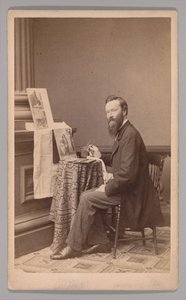
John Mackie Falconer
1820 - 1903 , United Kingdom
Quick Facts
- Artistic Movement Or Style: Hudson River School
- Artists Or Movements Influenced By This Artist: ['Hudson River School']
- Artists Who Influenced This Artist:
- Thomas Cole
- Asher Durand
- Date Of Birth: May 22, 1820
- Date Of Death: March 12, 1903
- Full Name: John Mackie Falconer
- Nationality: Scottish-American
- Notable Artworks:
- Montmorency Falls
- St John's Co-Cathedral
- Place Of Birth: Edinburgh, UK