 Preview
 Send
Send Share
Share
 Details

 Download
 Similars
 X-Ray
X-Ray Diaporama
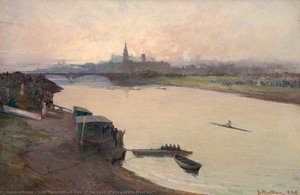
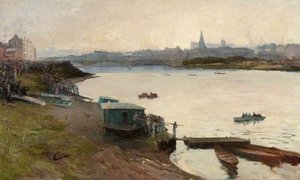
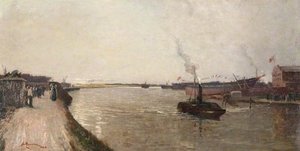
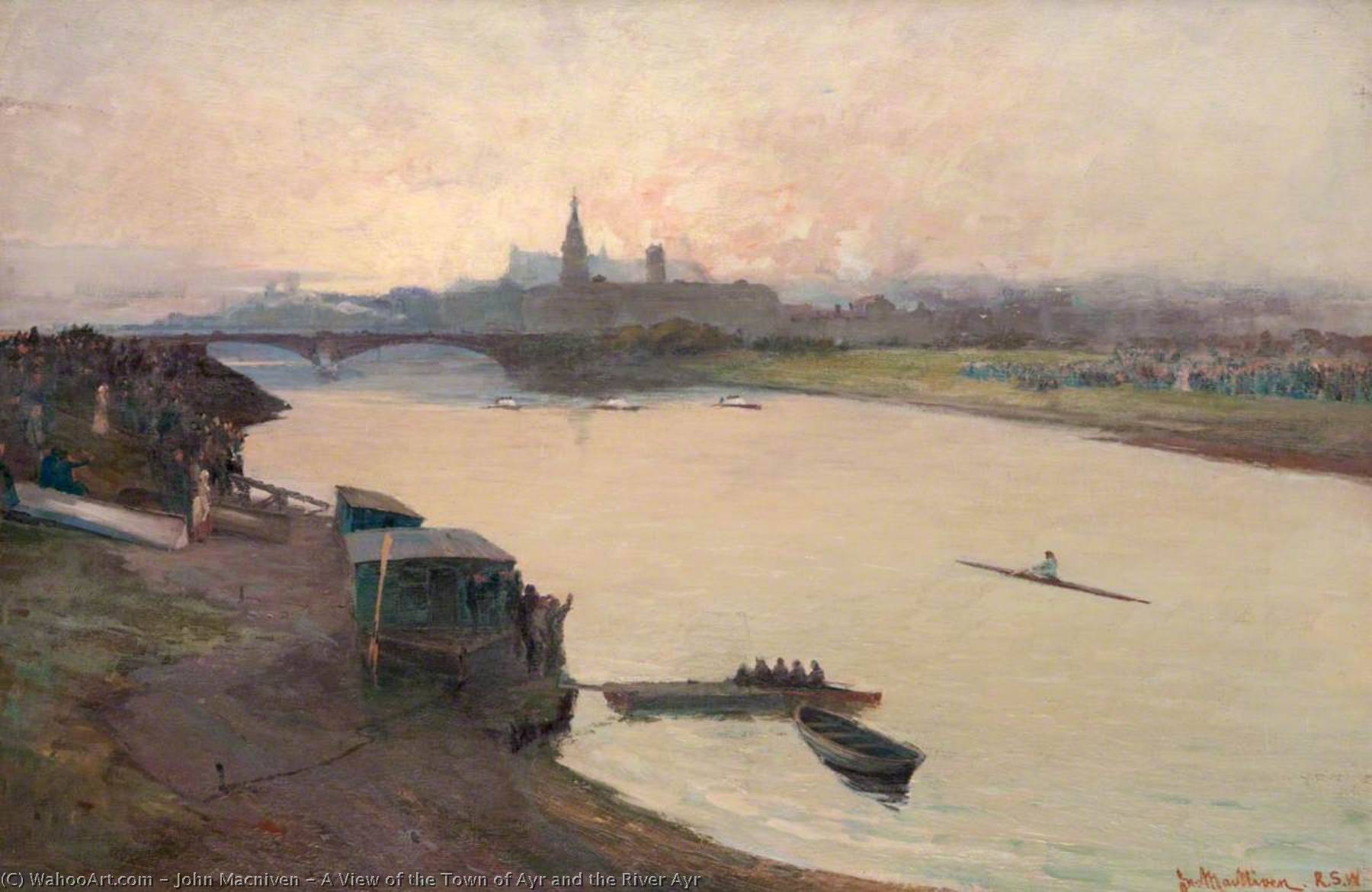
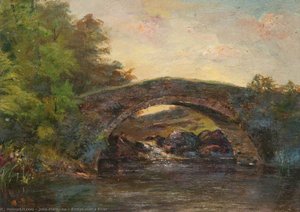
A View of the Town of Ayr and the River Ayr
 41.0 x 61.0 cm
 Read More
Giclée / Art Print
Museum-quality giclée or canvas print with fast production and flexible finish options. ( Buy Hand Made Painting Buy Image)




































Pick from our preset sizes that match the artwork's original proportions.

You may enter your own dimensions to fit a specific frame or space. If your selected size does not match the original image's proportions, we will either crop the artwork or extend the image with a mirrored or solid-fill edge. A digital mockup will be sent for your approval before production begins.
Please note that the on-screen preview does not reflect the actual cropping or extension. Only the mockup will accurately show the final composition.
While custom sizes are available, we recommend selecting a dimension from the predefined list to preserve the original proportions.
Worldwide Delivery () in 2 weeks instead of standard 4/5 weeks. (4 September)

Free Worldwide Express Shipping

High-Quality Linen Canvas

Full Shipping Insurance

Customs Tax Refund Guarantee

True Color Matching Guarantee

60-Day Return Policy (Defects Only)

100% Money-Back Guarantee

Bulk Discount Offer
 Glass option is only available in size under 110 CM

A View of the Town of Ayr and the River Ayr
Giclée / Art Print
Reproduction Size
-


Total Price
$ 63
Related Artworks









Artist Biography
The Soul of the Scottish Landscape: The Life and Legacy of John MacNiven
Born in the vibrant, culturally rich atmosphere of Glasgow on September 15, 1819, John MacNiven emerged as a defining voice in the Victorian landscape movement. His origins were deeply intertwined with the rugged beauty of Scotland; descended from a family rooted in Islay, his early years were steeped in the Gaelic traditions and storytelling that would later infuse his work with a subtle, poetic depth. Growing up in an era where the Romantic movement was reshaping the artistic consciousness of Europe, MacNiven developed a profound sensitivity to the natural world, viewing the landscape not merely as topography, but as a living, breathing entity capable of conveying immense emotional resonance.
The foundations of his technique were laid through a meticulous study of light and atmosphere. Influenced by the legendary masters John Constable and J.M.W. Turner, MacNiven sought to bridge the gap between precise observation and expressive impressionism. His artistic journey began with the delicate medium of watercolor, where he learned to capture the fleeting nuances of Scottish weather—the sudden mist rolling over a loch or the ephemeral glow of a setting sun. This early mastery of translucency and light provided the essential groundwork for his eventual transition to the more robust and commanding medium of oil painting.
A Mastery of Light and Terrain
As MacNiven’s career progressed, his canvases grew in both scale and ambition. He moved beyond simple studies to create expansive, sweeping vistas that became iconic representations of the Scottish Highlands and Lowlands. His work is characterized by a remarkable duality: a steadfast commitment to realism paired with an expressive brushwork that breathes life into every leaf and stone. Whether depicting the serene waters of Loch Lomond, the haunting majesty of Glencoe, or the rugged heights of the Cairngorms National Park, MacNiven possessed an uncanny ability to translate the physical grandeur of Scotland into a deeply personal visual experience.
His technical evolution allowed him to manipulate texture and tone to evoke specific moods. In his oil works, one can observe a sophisticated layering of color that mimics the complex textures of the earth—the dampness of moss, the hardness of granite, and the fluidity of river currents. This dedication to capturing the true essence of his subjects earned him significant acclaim from the prominent art critics and collectors of his day, establishing him as a premier chronicler of the Scottish terrain.
Historical Significance and Enduring Impression
Beyond the mere depiction of scenery, MacNiven’s oeuvre serves as a vital historical record of 19th-century Scotland. His paintings, such as the evocative Glasgow Regatta, the Closing Stages, capture moments of social and cultural life, blending the natural landscape with the human spirit. Through his eyes, we witness a period of transition, where the traditional rhythms of rural life met the burgeoning energy of the Victorian era.
The legacy of John MacNiven remains etched in the annals of Scottish art history. His ability to harmonize the meticulous detail of topographical drawing with the sweeping emotionality of Romanticism ensures that his work continues to resonate with contemporary viewers. He did not simply paint landscapes; he captured the very heartbeat of a nation, leaving behind a collection of works that stand as timeless tributes to the enduring beauty of the Scottish wilderness.
Quick Facts
- Artistic Movement Or Style: Romanticism
- Artists Or Movements Influenced By This Artist: ['Sir John Tenniel']
- Artists Who Influenced This Artist: ['John Constable']
- Date Of Birth: 1819
- Date Of Death: 1895
- Full Name: John Macniven
- Nationality: Scottish
- Notable Artworks:
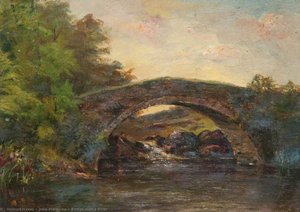
- Bridge over a River
- Launch of the 'County of Roxburgh
- Glasgow Regatta, the Closing Stages
- Place Of Birth: Glasgow, Scotland