

 Preview
 Send
Send Share
Share
 Details

 Download
 Similars
 X-Ray
X-Ray Diaporama
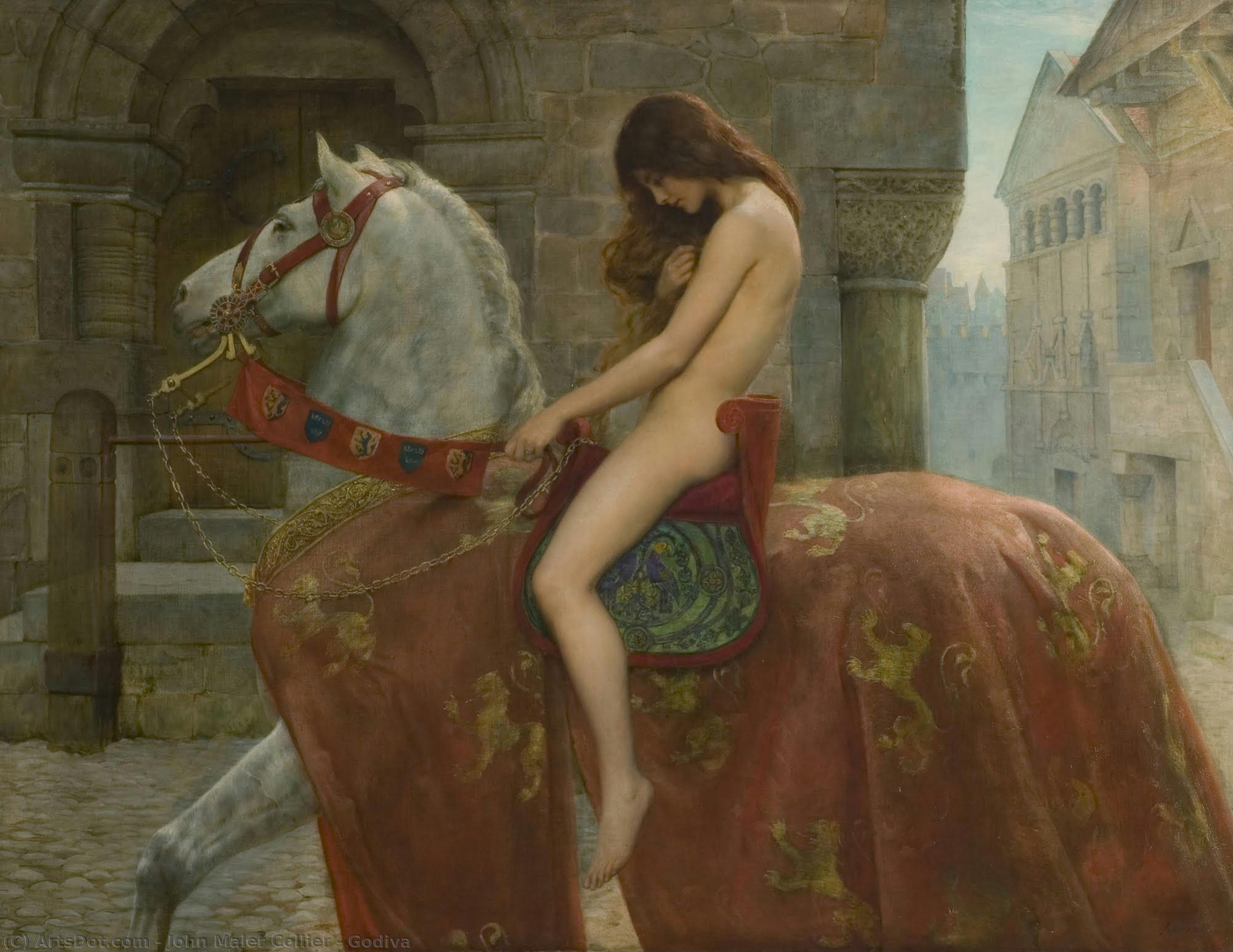
Godiva


 Read More
Purchase a high-resolution, enhanced digital image, far superior to the online preview.
Each file is meticulously prepared by our in-house specialists using advanced tools and expert manual retouching. We ensure every image has exceptional clarity, precise color accuracy, and fine detail.
The final file is delivered via email within 72 hours, optimized for immediate use in professional, editorial, and print environments. This is the same quality trusted by top-tier design studios, publishers, and galleries.
Digital Image
Download a high-resolution file for personal display, printing, and creative projects. ( Buy Print Buy Hand Made Painting)
Included in Every Digital Image Order
Expert Digital Delivery, Guaranteed
When you choose ArtsDot.com, you're not just getting an image - you're receiving a professionally enhanced digital artwork, crafted with precision and backed by a satisfaction guarantee. Here's everything that comes with your order, automatically:

Fast Email Delivery
Your high-resolution digital image file will be emailed to you within 72 hours of ordering - ready for immediate use.

AI-Enhanced Digital File
Your artwork is professionally optimized using advanced AI tools and manual editing, ensuring maximum detail, clarity, and color accuracy.

Free Lifetime Re-Delivery
Accidentally deleted or lost your file? No worries - we'll resend it to you anytime, free of charge.

No Import Fees - Ever
Enjoy your artwork instantly with zero customs, duties, or delivery fees - digital downloads are always tax-free.

Color Accuracy Guarantee
We ensure your digital image reflects the original colors as closely as possible using professional tools and color management.

60-Day Satisfaction Guarantee
If you're not satisfied with your digital image, we'll revise it or refund 100% within 60 days - no questions asked.

100% Money-Back Guarantee
Not satisfied? Get a full refund within 60 days of receiving your digital file - no questions asked.

Bulk Order Discounts
Buy 3 images, save 10% - Buy 5, save 15% - Buy 10+, save 20%. Great for creative projects, galleries, and agencies.
Collectible Description
John Maler Collier’s Lady Godiva: A Victorian Reverie
The painting “Lady Godiva,” executed by John Maler Collier in 1898, stands as a testament to the Pre-Raphaelite movement's enduring fascination with idealized beauty and narrative storytelling within portraiture. Held at Herbert Art Gallery and Museum in Coventry, this oil on canvas masterpiece captures a moment of quiet contemplation—a young woman seated gracefully upon a white horse against the backdrop of a subtly rendered medieval city wall. Collier’s meticulous attention to detail distinguishes him from many contemporaries, reflecting the Pre-Raphaelite ethos of striving for artistic veracity through careful observation and emulation of Renaissance masters.A Vision of Victorian Sensibility
Collier's stylistic choices align perfectly with the prevailing aesthetic sensibilities of his era. Influenced by artists like Dante Gabriel Rossetti and William Holman Hunt, he eschewed overtly dramatic compositions in favor of a serene tableau imbued with psychological depth. The woman’s posture exudes composure and vulnerability—a deliberate contrast to the grand narratives often favored in Victorian art. Her gaze is averted slightly, suggesting introspection rather than outward engagement, mirroring the anxieties and uncertainties characteristic of the period. This subtle nuance elevates “Lady Godiva” beyond mere visual representation, inviting viewers into a realm of emotional resonance.Technical Mastery: Pre-Raphaelite Precision
The painting’s execution demonstrates Collier's exceptional skill in mastering oil paint techniques. Thick brushstrokes contribute to a palpable sense of texture—particularly evident in the horse’s musculature and the delicately rendered saddlecloth. Collier skillfully employs chiaroscuro, manipulating light and shadow to sculpt form and create atmospheric depth. The muted earth tones of the city wall provide a grounding counterpoint to the luminous whites and golds adorning the horse and woman's attire, highlighting key areas like the woman’s face—where subtle shading emphasizes her delicate features. Collier’s meticulous rendering captures not only visual accuracy but also an emotional quality that speaks to the viewer’s sensibilities.Symbolism of Grace and Sacrifice
“Lady Godiva” draws inspiration from the medieval legend of Godiva, Earl of Coventry, who famously rode naked through the city to petition her husband for tax relief—a gesture of selfless devotion embodying Victorian ideals of moral virtue. Collier subtly incorporates this symbolic narrative into his depiction, suggesting a connection between feminine grace and noble sacrifice. The horse itself symbolizes freedom and strength—qualities associated with both physical prowess and spiritual aspiration. Furthermore, the woman’s serene expression embodies inner peace and contemplation—a reflection of the Pre-Raphaelite preoccupation with exploring psychological states through artistic representation.Concluding Impression: An Eternal Beauty
Ultimately, Collier's “Lady Godiva” transcends its historical context to offer a timeless portrayal of feminine beauty and contemplative serenity. Its masterful technique, coupled with evocative symbolism and a carefully crafted composition, secures its place as a cornerstone of Victorian art—a painting that continues to captivate audiences with its understated elegance and profound emotional impact. It exemplifies the Pre-Raphaelite commitment to capturing not just what is seen but also what is felt—a legacy that resonates powerfully within the artistic canon today.Related Artworks
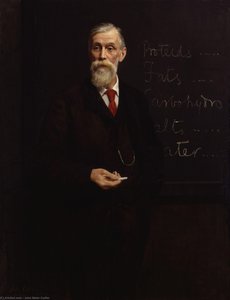
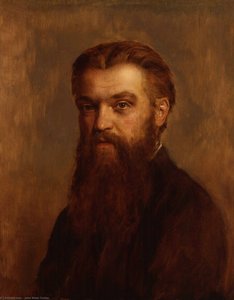
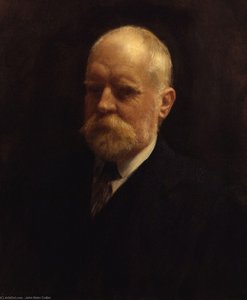
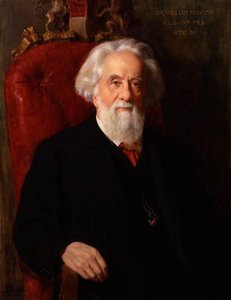
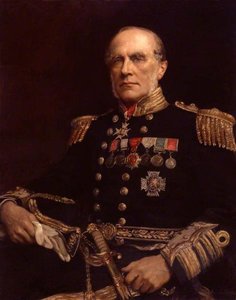
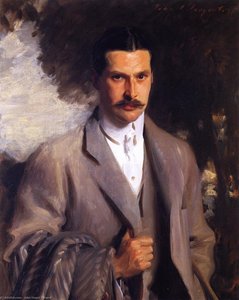
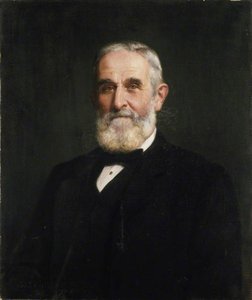
Artist Biography
John Maler Collier: A Life in Portraiture
- Born: London, United Kingdom (1850)
- Died: 1934
John Maler Collier OBE RP ROI was a prominent English artist and author, celebrated as a leading portrait painter of his generation. His artistic style leaned heavily into the Pre-Raphaelite aesthetic, characterized by meticulous detail, vibrant colors, and a focus on narrative storytelling within portraits.
Early Life and Artistic Training
- Family Background: Collier hailed from a distinguished family. His grandfather was a Quaker merchant and Member of Parliament, while his father served as Attorney General and a judge in the Privy Council. This privileged background afforded him access to education and societal circles that would later influence his artistic career.
- Education: He received his early education at Eton College before pursuing formal art training.
- Formal Studies: Collier studied painting at the Munich Academy starting in 1875, honing his skills under established masters. He also studied in Paris with Jean-Paul Laurens.
Artistic Style and Major Works
- Pre-Raphaelite Influence: Collier’s work is deeply rooted in the Pre-Raphaelite movement, evident in his attention to detail, rich color palettes, and a tendency towards narrative scenes within portraits.
- Portraiture Focus: He primarily specialized in portraiture, capturing likenesses of prominent figures from various fields including art, science, politics, and royalty.
- Notable Subjects: Collier’s sitters included Charles Darwin, Thomas Henry Huxley (his father-in-law), Rudyard Kipling, Sir Lawrence Alma-Tadema, two Lord Chancellors (Earl of Selborne and Earl of Halsbury), the Speaker of the House of Commons William Gully, and Field Marshal Lord Kitchener.
- Royal Portraits: Significant commissions included portraits of the Duke of York (later King George V) as Master of Trinity House in 1901, and the Prince of Wales (later Edward VIII). The latter was displayed at Durbar Hall in Jodhpur, Rajputana.
- "Problem Pictures": Beyond formal portraiture, Collier also created "problem pictures," depicting scenes from everyday life, often showcasing a brighter and fresher style than his more solemn portraits.
Personal Life and Family Connections
- Marriages to Huxley's Daughters: A defining aspect of Collier’s life was his marriage to two daughters of Thomas Henry Huxley, a renowned scientist and President of the Royal Society. His first wife, Marian (Mady) Huxley, was also an artist.
- Family Legacy: His daughter by his first marriage, Joyce, became a portrait miniaturist. His second son, Sir Laurence Collier, served as the British Ambassador to Norway from 1941-1951.
- Close Ties to Intellectual Circles: Collier maintained close relationships with prominent intellectuals and writers of his time, including Leonard Huxley (Thomas Henry Huxley’s son).
Legacy and Historical Significance
- Recognition and Awards: Collier was appointed an Officer of the Order of the British Empire (OBE) in 1920.
- Critical Reception: While initially praised, his work later received mixed reviews. Some critics compared his style to that of Frank Holl due to its solemnity, while others recognized his "strong and surprising sense of color."
- Extensive Record Keeping: Collier meticulously documented his sitters in a handwritten book, providing valuable insight into his career and the individuals he portrayed. This “Sitters Book” is now housed in the Heinz Archive and Library at the National Portrait Gallery.
- Representation in Major Collections: Sixteen of Collier’s paintings are held by the National Portrait Gallery in London, with two residing in the Tate Gallery.
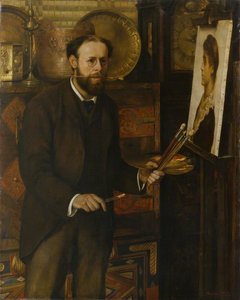
John Maler Collier
1850 - 1934 , United Kingdom
Quick Facts
- Artistic Movement Or Style: Pre-Raphaelite
- Artists Who Influenced This Artist:
- Jean-Paul Laurens
- Millais
- Alma-Tadema
- Date Of Birth: January 27, 1850
- Date Of Death: April 11, 1934
- Full Name: John Maler Collier
- Nationality: British
- Notable Artworks:
- Lovelace Stamer
- Sir John Lubbock FRS
- Duke of York (George V)
- Prince of Wales (Edward VIII)
- Place Of Birth: London, United Kingdom

