

 Preview
 Send
Send Share
Share
 Details

 Download
 Similars
 X-Ray
X-Ray Diaporama
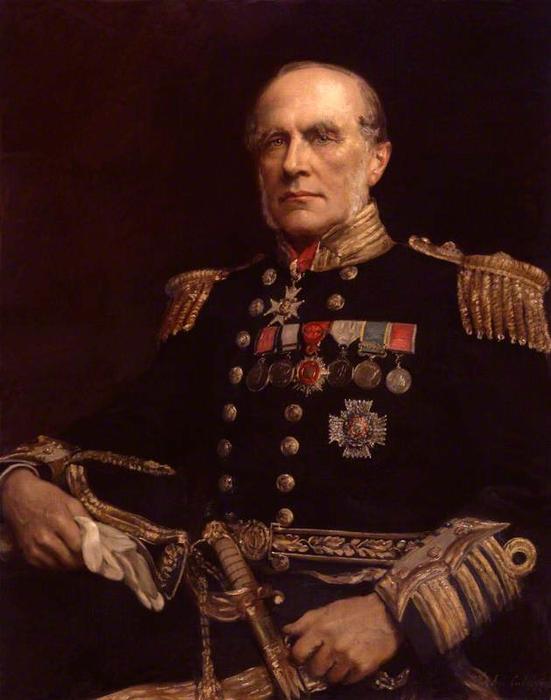
Sir Edward Augustus Inglefield


 Read More
Purchase a high-resolution, enhanced digital image, far superior to the online preview.
Each file is meticulously prepared by our in-house specialists using advanced tools and expert manual retouching. We ensure every image has exceptional clarity, precise color accuracy, and fine detail.
The final file is delivered via email within 72 hours, optimized for immediate use in professional, editorial, and print environments. This is the same quality trusted by top-tier design studios, publishers, and galleries.
Digital Image
Download a high-resolution file for personal display, printing, and creative projects. ( Buy Print Buy Hand Made Painting)
Included in Every Digital Image Order
Expert Digital Delivery, Guaranteed
When you choose ArtsDot.com, you're not just getting an image - you're receiving a professionally enhanced digital artwork, crafted with precision and backed by a satisfaction guarantee. Here's everything that comes with your order, automatically:

Fast Email Delivery
Your high-resolution digital image file will be emailed to you within 72 hours of ordering - ready for immediate use.

AI-Enhanced Digital File
Your artwork is professionally optimized using advanced AI tools and manual editing, ensuring maximum detail, clarity, and color accuracy.

Free Lifetime Re-Delivery
Accidentally deleted or lost your file? No worries - we'll resend it to you anytime, free of charge.

No Import Fees - Ever
Enjoy your artwork instantly with zero customs, duties, or delivery fees - digital downloads are always tax-free.

Color Accuracy Guarantee
We ensure your digital image reflects the original colors as closely as possible using professional tools and color management.

60-Day Satisfaction Guarantee
If you're not satisfied with your digital image, we'll revise it or refund 100% within 60 days - no questions asked.

100% Money-Back Guarantee
Not satisfied? Get a full refund within 60 days of receiving your digital file - no questions asked.

Bulk Order Discounts
Buy 3 images, save 10% - Buy 5, save 15% - Buy 10+, save 20%. Great for creative projects, galleries, and agencies.
Collectible Description
Sir Edward Augustus Inglefield – A Portrait of Victorian Resolve
John Maler Collier’s masterful depiction of Sir Edward Augustus Inglefield stands as a testament to the Pre-Raphaelite movement's dedication to meticulous detail and emotive storytelling. Completed in 1897, this oil on canvas resides proudly at the National Portrait Gallery in London, offering viewers an intimate glimpse into the character of a pivotal figure in British naval history.
The Artist’s Vision: Collier and Pre-Raphaelitism John Maler Collier (1850–1934) was undeniably one of his era's foremost portrait painters. His artistic sensibilities were deeply rooted in the Pre-Raphaelite aesthetic—a reaction against academic conventions that championed vibrant colors, symbolic imagery, and a return to perceived artistic purity reminiscent of artists before Raphael.
Collier’s approach is evident in Sir Edward Inglefield's composition: a central figure dominates the canvas, framed by a dark, indistinct background. This deliberate stylistic choice amplifies the subject’s presence and conveys a sense of solemn dignity. Lines meticulously delineate the folds of Inglefield’s uniform and highlight the contours of his face—a testament to Collier’s unwavering commitment to capturing both physical likeness and psychological nuance.
Historical Significance: Exploring Victorian Leadership Sir Edward Augustus Inglefield (1820–1894) was a celebrated admiral who spearheaded expeditions into Arctic waters, notably the Erebus and Terror voyages of 1875-1876. These daring explorations cemented his reputation as a symbol of British courage and determination during the Victorian Age—a period marked by imperial expansion and scientific inquiry.
The painting transcends mere representation; it embodies the spirit of its time. Collier skillfully portrays Inglefield’s stern gaze and military attire, conveying not only his professional accomplishments but also an underlying aura of authority and discipline. The subdued palette – dominated by deep blues and browns accented with gleaming gold—further reinforces this impression.
Technical Mastery: Collier's Oil Painting Technique Collier employed a masterful oil painting technique characterized by smooth blending and rich textural detail. Layers of pigment were carefully applied to create depth and luminosity, capturing the subtle nuances of light and shadow on Inglefield’s skin and clothing. The artist’s meticulous attention to surface texture—particularly evident in the fabric of the uniform—adds another dimension to the artwork's visual impact.
Symbolism and Emotional Resonance Beyond its formal qualities, Sir Edward Augustus Inglefield carries symbolic weight. It speaks to Victorian ideals of duty, honor, and exploration – values that defined the era’s cultural landscape. Collier’s portrait invites contemplation on leadership, resilience, and the pursuit of scientific advancement—themes that continue to resonate with audiences today.
Further Exploration For those eager to delve deeper into John Maler Collier's oeuvre or discover similar artistic expressions from the Victorian period, ArtsDot.com offers a curated collection of reproductions and resources. Explore more portraits by Collier at https://ArtsDot.com and visit the National Portrait Gallery to experience this iconic artwork firsthand.
Related Artworks
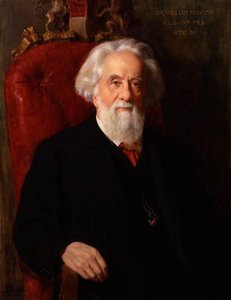
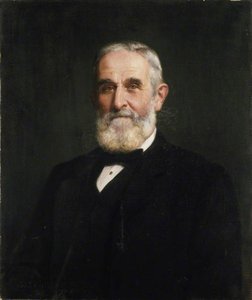
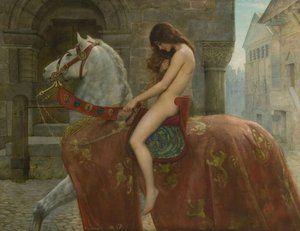
Artist Biography
John Maler Collier: A Life in Portraiture
- Born: London, United Kingdom (1850)
- Died: 1934
John Maler Collier OBE RP ROI was a prominent English artist and author, celebrated as a leading portrait painter of his generation. His artistic style leaned heavily into the Pre-Raphaelite aesthetic, characterized by meticulous detail, vibrant colors, and a focus on narrative storytelling within portraits.
Early Life and Artistic Training
- Family Background: Collier hailed from a distinguished family. His grandfather was a Quaker merchant and Member of Parliament, while his father served as Attorney General and a judge in the Privy Council. This privileged background afforded him access to education and societal circles that would later influence his artistic career.
- Education: He received his early education at Eton College before pursuing formal art training.
- Formal Studies: Collier studied painting at the Munich Academy starting in 1875, honing his skills under established masters. He also studied in Paris with Jean-Paul Laurens.
Artistic Style and Major Works
- Pre-Raphaelite Influence: Collier’s work is deeply rooted in the Pre-Raphaelite movement, evident in his attention to detail, rich color palettes, and a tendency towards narrative scenes within portraits.
- Portraiture Focus: He primarily specialized in portraiture, capturing likenesses of prominent figures from various fields including art, science, politics, and royalty.
- Notable Subjects: Collier’s sitters included Charles Darwin, Thomas Henry Huxley (his father-in-law), Rudyard Kipling, Sir Lawrence Alma-Tadema, two Lord Chancellors (Earl of Selborne and Earl of Halsbury), the Speaker of the House of Commons William Gully, and Field Marshal Lord Kitchener.
- Royal Portraits: Significant commissions included portraits of the Duke of York (later King George V) as Master of Trinity House in 1901, and the Prince of Wales (later Edward VIII). The latter was displayed at Durbar Hall in Jodhpur, Rajputana.
- "Problem Pictures": Beyond formal portraiture, Collier also created "problem pictures," depicting scenes from everyday life, often showcasing a brighter and fresher style than his more solemn portraits.
Personal Life and Family Connections
- Marriages to Huxley's Daughters: A defining aspect of Collier’s life was his marriage to two daughters of Thomas Henry Huxley, a renowned scientist and President of the Royal Society. His first wife, Marian (Mady) Huxley, was also an artist.
- Family Legacy: His daughter by his first marriage, Joyce, became a portrait miniaturist. His second son, Sir Laurence Collier, served as the British Ambassador to Norway from 1941-1951.
- Close Ties to Intellectual Circles: Collier maintained close relationships with prominent intellectuals and writers of his time, including Leonard Huxley (Thomas Henry Huxley’s son).
Legacy and Historical Significance
- Recognition and Awards: Collier was appointed an Officer of the Order of the British Empire (OBE) in 1920.
- Critical Reception: While initially praised, his work later received mixed reviews. Some critics compared his style to that of Frank Holl due to its solemnity, while others recognized his "strong and surprising sense of color."
- Extensive Record Keeping: Collier meticulously documented his sitters in a handwritten book, providing valuable insight into his career and the individuals he portrayed. This “Sitters Book” is now housed in the Heinz Archive and Library at the National Portrait Gallery.
- Representation in Major Collections: Sixteen of Collier’s paintings are held by the National Portrait Gallery in London, with two residing in the Tate Gallery.
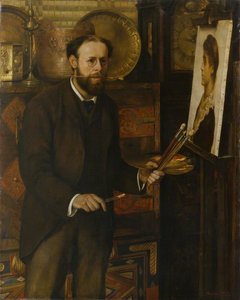
John Maler Collier
1850 - 1934 , United Kingdom
Quick Facts
- Artistic Movement Or Style: Pre-Raphaelite
- Artists Who Influenced This Artist:
- Jean-Paul Laurens
- Millais
- Alma-Tadema
- Date Of Birth: January 27, 1850
- Date Of Death: April 11, 1934
- Full Name: John Maler Collier
- Nationality: British
- Notable Artworks:
- Lovelace Stamer
- Sir John Lubbock FRS
- Duke of York (George V)
- Prince of Wales (Edward VIII)
- Place Of Birth: London, United Kingdom

