 Preview
 Send
Send Share
Share
 Details

 Download
 Similars
 X-Ray
X-Ray Diaporama
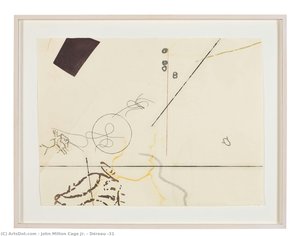
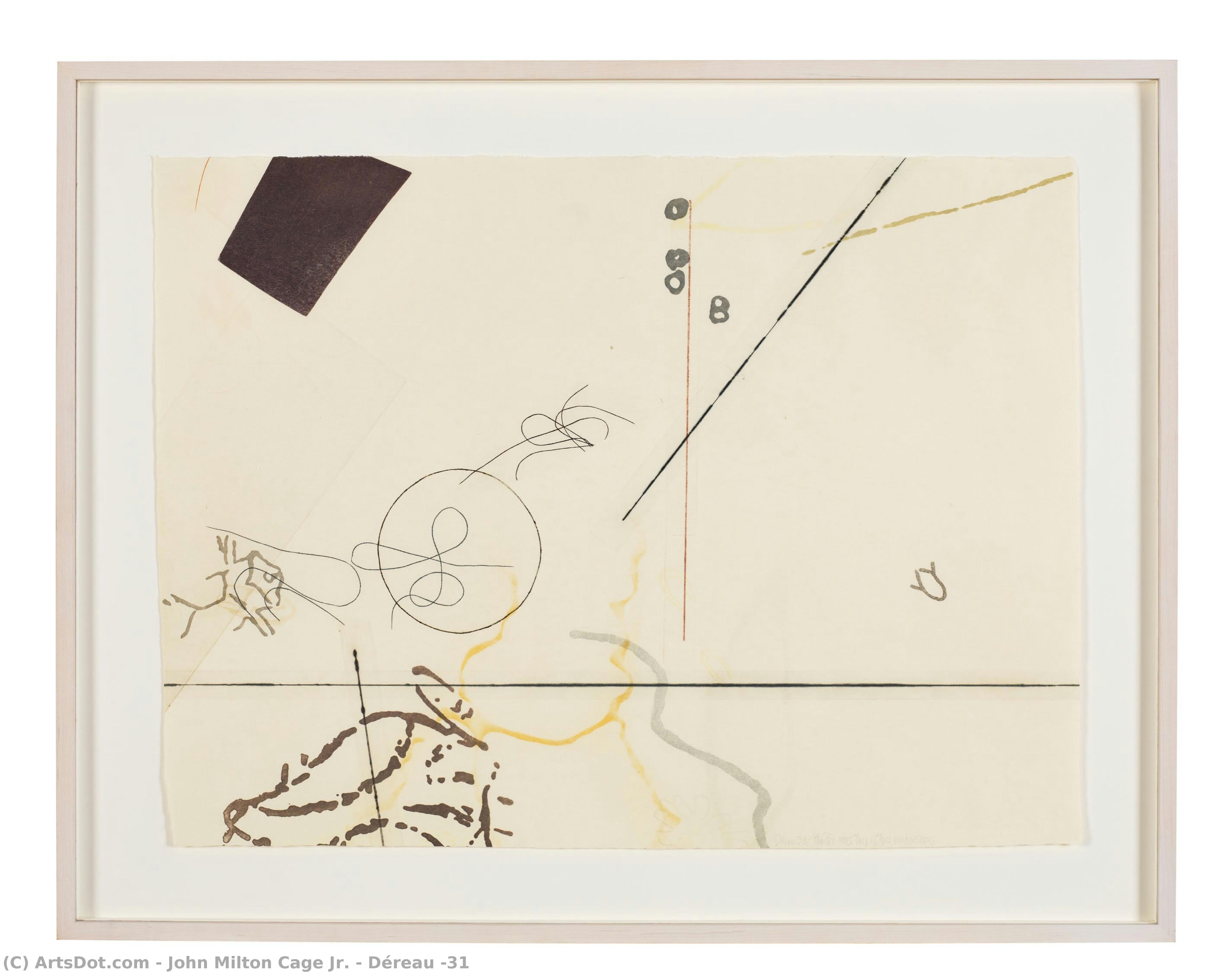
Déreau #31
 1982
1982 58.0 x 74.0 cm
 Read More
Hand Made Oil Reproduction
Hand-painted oil on canvas in your size and frame, made to order by our artists. ( Buy Print Buy Image)




































Pick from our preset sizes that match the artwork's original proportions.

You may enter your own dimensions to fit a specific frame or space. If your selected size does not match the original image's proportions, we will either crop the artwork or extend the painting with additional hand-painted elements. A digital mockup will be sent for your approval before production begins.
Please note that the on-screen preview does not reflect the actual cropping or extension. Only the mockup will accurately show the final composition.
While custom sizes are available, we recommend selecting a dimension from the predefined list to preserve the original proportions.
After order, ArtsDot.com team will email client for instructions and provide a mockup preview
Worldwide Delivery () in 3/4 weeks instead of standard 5 weeks. (18 August). No compromise on quality.

Free Worldwide Express Shipping

High-Quality Linen Canvas

Full Shipping Insurance

Customs Tax Refund Guarantee

True Color Matching Guarantee

60-Day Return Policy (Defects Only)

100% Money-Back Guarantee

Bulk Discount Offer
 Glass option is only available in size under 110 CM

Déreau #31
Reproduction Medium
Reproduction Size
-


Total Price
$ 263
Artwork Description
Related Artworks



Artist Biography
The Architect of Silence and Sound
John Milton Cage Jr. emerged from the sun-drenched landscape of Los Angeles not merely as a composer, but as a revolutionary who dared to redefine the very boundaries of auditory perception. Born in 1912 to an inventor, his early years were steeped in a fascination with the mechanics of creation and the potential of technology. This innate curiosity led him from the halls of Pomona College to the vibrant, experimental heart of Europe, where the shadows of Arnold Schoenberg and Igor Stravinsky loomed large. It was during these formative travels that Cage began to dismantle the rigid architectures of traditional harmony, seeking instead a way to liberate sound from the composer's ego and allow it to exist as an independent phenomenon.His journey was one of profound deconstruction, moving away from the structured narratives of the past toward a landscape where the distinction between music and noise began to dissolve. By embracing the unexpected, he transformed the act of listening into an act of discovery, inviting the world to hear the music that already exists in the ambient textures of our daily lives.
The Alchemy of Indeterminacy
At the core of Cage’s radical vision lay the profound concept of indeterminacy—the idea that music should emerge from chance rather than a predetermined script. In his seminal 1952 essay, Silence, he articulated a philosophy where randomness became the primary conductor. This was most tangibly realized through his invention of the prepared piano, a technique where various objects are nestled between the strings to transform a classical instrument into a percussion ensemble of unpredictable, metallic, and woody timbres. His work breathed with the rhythms of Zen Buddhism, embracing the beauty of the unplanned and the accidental.Through his use of the I Ching and aleatoric processes, he invited the universe itself to participate in the composition, turning every performance into a singular, unrepeatable event. This approach was characterized by several groundbreaking elements:
- The transformative power of the prepared piano and non-standard instrumentation
- The integration of Eastern philosophical thought and meditative practice
- The exploration of electroacoustic textures and the aesthetics of chance
Cage’s compositions often functioned as sonic ecosystems, where every sound—no matter how small or seemingly insignificant—held its own weight and importance. He taught us that silence is not an absence, but a space filled with potentiality.
A Tapestry of Interdisciplinary Innovation
Cage’s influence rippled far beyond the concert hall, bleeding into the very fabric of modern dance and the visual arts. His legendary partnership with choreographer Merce Cunningham birthed a new era of chance choreography, where movement and sound were no longer tethered by narrative but existed as independent, simultaneous phenomena. This symbiotic relationship challenged the audience to perceive art as a collection of beautiful coincidences rather than a directed story. Together, they pioneered an approach where the roll of the dice could dictate the path of a dancer or the rhythm of a note.As a pioneer of the post-war avant-garde, Cage’s legacy remains an enduring testament to the beauty found in the unexpected. He dismantled the walls between high art and everyday experience, leaving behind a world where the rustle of leaves and the hum of the city are recognized as part of a grand, ongoing symphony. His life's work continues to inspire those who seek to find meaning within the ephemeral and the unknown.
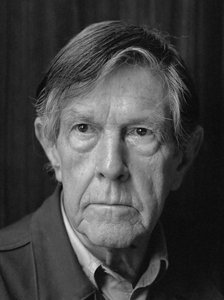
john milton cage jr.
1912 - 1992 , United States of America
Quick Facts
- Artistic Movement Or Style: Experimental Music
- Artists Or Movements Influenced By This Artist: ['Merce Cunningham']
- Artists Who Influenced This Artist:
- Henry Cowell
- Arnold Schoenberg
- Date Of Birth: September 5, 1912
- Full Name: John Milton Cage Jr.
- Nationality: American
- Notable Artworks:
- Score Without Parts
- Déreau #31
- Place Of Birth: Los Angeles, California, U.S.