 Preview
 Send
Send Share
Share
 Details

 Download
 Similars
 X-Ray
X-Ray Diaporama
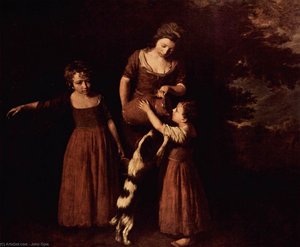
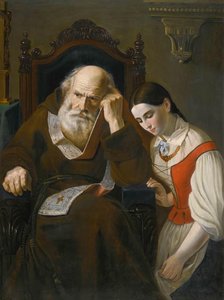
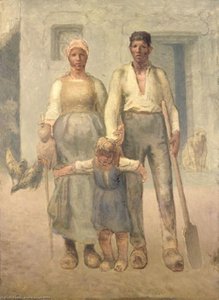
Peasant Family
 Oil On Canvas
- WallArt
- Romanticism
 1783
1783 154.0 x 184.0 cm
 Tate Gallery
 Read More
Hand Made Oil Reproduction
Hand-painted oil on canvas in your size and frame, made to order by our artists. ( Buy Print Buy Image)




P118B $10

P118H $10

P118W $10

P438Z $10

P508JH $12

P508YH $12

P805H $10

P805Z $10

P919BZ $10

P919G $10

P919XJ $10

P959ZH $10

P968JZ $12

W106C $8

W218G $10

W218JH $8

W218Y $10

W307PJ $10

W316G $10

W316PJ $8

W316Y $10

W398PJ $8

W4111J $10

W500HY $15

W500JH $15

W692G $12

W849H $8

W940BG $15

W953PJ $8




Pick from our preset sizes that match the artwork's original proportions.

You may enter your own dimensions to fit a specific frame or space. If your selected size does not match the original image's proportions, we will either crop the artwork or extend the painting with additional hand-painted elements. A digital mockup will be sent for your approval before production begins.
Please note that the on-screen preview does not reflect the actual cropping or extension. Only the mockup will accurately show the final composition.
While custom sizes are available, we recommend selecting a dimension from the predefined list to preserve the original proportions.
After order, ArtsDot.com team will email client for instructions and provide a mockup preview
Worldwide Delivery () in 3/4 weeks instead of standard 5 weeks. (16 August). No compromise on quality.

Free Worldwide Express Shipping

High-Quality Linen Canvas

Full Shipping Insurance

Customs Tax Refund Guarantee

True Color Matching Guarantee

60-Day Return Policy (Defects Only)

100% Money-Back Guarantee

Bulk Discount Offer
 Glass option is only available in size under 110 CM

Peasant Family
Reproduction Medium
Reproduction Size
-


Total Price
$ 263
Artwork Description
The Peasant’s Family: A Window into Rural England
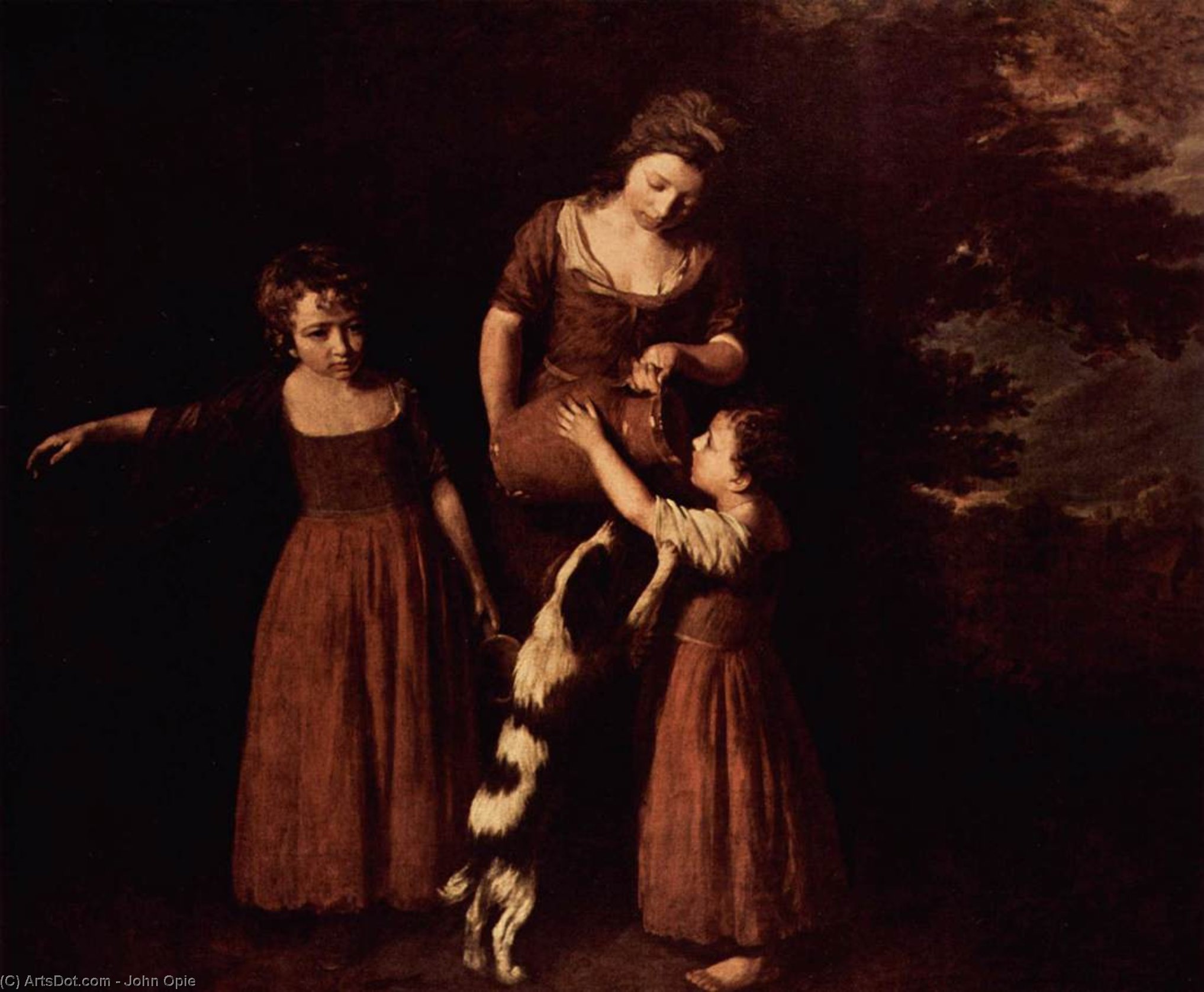
John Opie's "Peasant Family in an Interior," painted circa 1783-85, is more than just a depiction of a domestic scene; it’s a poignant meditation on the dignity and resilience of rural life in late 18th-century England. This remarkably intimate canvas, currently residing within the hallowed halls of the Tate Gallery in London, offers a rare glimpse into the heart of a family striving for quiet contentment amidst the hardships of their existence. The painting immediately draws the viewer in with its warm, inviting light – emanating from a single window that casts a soft glow upon the figures huddled around a simple hearth. Opie masterfully employs chiaroscuro, the dramatic contrast between light and shadow, to sculpt the forms of the family members, imbuing them with a palpable sense of humanity and vulnerability.
The composition itself is deceptively straightforward. A mother, her face etched with the quiet strength of years spent tending hearth and home, holds a young child close to her breast. Beside her stands another child, perhaps her son, gazing intently at a wooden toy – a small, unassuming object that speaks volumes about the simple joys available to these people. The father, seated before the fire, appears absorbed in his work, likely mending clothing or preparing for the day ahead. The arrangement isn’t overly formal; it feels utterly natural, as if the viewer has stumbled upon a private moment within their home. Opie's skill lies not just in capturing likenesses but in conveying an atmosphere of genuine connection and shared experience.
A Cornish Prodigy and the Rise of Genre Painting
John Opie’s story is itself remarkable – a testament to the power of innate talent nurtured against considerable odds. Born in 1761 in Harmony Cottage, Trevellas, Cornwall, he was the youngest son of a carpenter, an upbringing that initially seemed destined for a life of manual labor. However, from a young age, Opie displayed an extraordinary aptitude for both drawing and mathematics, skills he honed independently through evening classes and self-study. His father, recognizing his son’s exceptional abilities, reluctantly agreed to allow him to pursue his artistic ambitions, defying the traditional expectations of Cornish society. This early struggle against societal constraints profoundly shaped Opie's artistic vision – a deep empathy for the marginalized and a commitment to portraying the realities of everyday life.
Opie’s rise to prominence coincided with a burgeoning interest in genre painting—scenes depicting ordinary people engaged in their daily activities. This trend, fueled by Enlightenment ideals emphasizing humanism and social observation, provided fertile ground for Opie's talent. He quickly gained recognition for his ability to capture the nuances of rural life with remarkable accuracy and emotional depth. His work was championed by influential figures like Sir Joshua Reynolds, who famously compared him to the masters of the Baroque era – a bold assertion that underscored Opie’s exceptional artistic promise.
Symbolism and Emotional Resonance
Beyond its immediate visual appeal, “Peasant Family” is rich in symbolic meaning. The humble setting—a sparsely furnished interior dominated by the warmth of the fire—underscores the family's modest circumstances. Yet, there’s no sense of despair or resignation; rather, a quiet dignity and resilience pervades the scene. The mother’s protective embrace of her child speaks to the enduring bonds of family and the importance of nurturing future generations. The father’s focused attention on his work symbolizes his role as provider and protector, while the child's toy represents the fleeting joys of childhood—a reminder that even in hardship, there is always room for simple pleasures.
The muted color palette – dominated by earthy tones of brown, ochre, and gray – reinforces the painting’s sense of realism. Opie eschews bright colors or dramatic embellishments, opting instead to focus on capturing the subtle textures and nuances of everyday life. This restrained approach allows the viewer to connect with the subjects on a deeply emotional level, recognizing their shared humanity.
A Legacy of Observation and Empathy
“Peasant Family” remains a powerful testament to John Opie’s artistic vision and his profound understanding of human nature. It's a painting that invites contemplation—a reminder of the dignity and resilience of rural communities, and the importance of preserving their traditions and values. Reproductions of this iconic work offer an opportunity to bring its quiet beauty and poignant message into homes and spaces, serving as a timeless symbol of family, community, and the enduring spirit of England’s past. The painting's continued appeal lies in its ability to transcend time and place, speaking to universal themes of love, loss, and the simple joys of human connection.
Related Artworks
Artist Biography
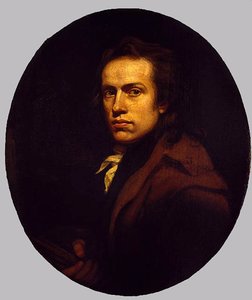
A Cornish Prodigy Ascends: The Life and Art of John Opie
John Opie, born in the humble surroundings of Harmony Cottage, Trevellas, Cornwall in 1761, emerged as one of the most remarkable artistic figures of his generation. His story is a compelling narrative of raw talent nurtured against the odds, rising from a carpenter’s son to become a celebrated portraitist and history painter, a Royal Academician, and an influential voice within the British art world. Opie's early life was marked by a precocious aptitude for both drawing and mathematics – a duality that perhaps informed his meticulous approach to composition and form. Even as a young boy, he demonstrated an independent spirit, establishing an evening school to teach reading, writing, and arithmetic to local children while simultaneously mastering Euclid’s geometry. This thirst for knowledge, coupled with his artistic inclination, was initially met with resistance from his father, who insisted on an apprenticeship in carpentry. However, fate intervened in the form of Dr. John Wolcot, known as Peter Pindar, a physician and satirist whose discerning eye recognized the extraordinary potential within the young Opie.Mentorship, London, and Royal Patronage
Wolcot became Opie’s champion, securing his release from the carpentry apprenticeship and providing him with invaluable guidance, encouragement, and crucial introductions. This mentorship proved pivotal in launching Opie's career. In 1781, they journeyed to London together, where Wolcot shrewdly presented Opie as a self-taught prodigy – a “Cornish wonder” untouched by formal artistic training. This narrative captivated the London art scene, drawing comparisons to masters like Caravaggio and Velázquez from none other than Sir Joshua Reynolds himself. The initial success was swift and dazzling. Commissions poured in, including portraits of members of the British royal family—the Duke and Duchess of Gloucester, Lady Salisbury, and Mary Delany among them. Opie’s residence on Castle Street became a hub of fashionable society, his talent commanding attention and admiration. However, the partnership with Wolcot eventually dissolved as Opie asserted his independence, seeking to forge his own path without the constraints of their profit-sharing agreement. This period solidified Opie's reputation, establishing him as a leading portraitist capable of capturing not only physical likeness but also the character and social standing of his sitters.Beyond Portraiture: Historical Paintings and Academic Recognition
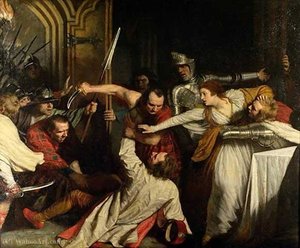
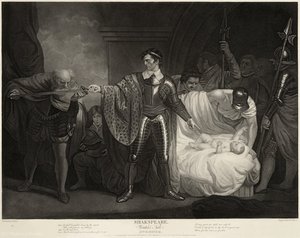
While initially celebrated for his portraits, Opie harbored ambitions beyond simply recording the faces of the elite. He yearned to engage with grand historical narratives, seeking to establish himself as a painter of significant subjects. This ambition led him to explore history painting, culminating in works like *The Assassination of James I* (1786) and *The Murder of Rizzio* (1787). The latter proved particularly impactful, earning him immediate election as an Associate of the Royal Academy and full membership the following year. These historical paintings demonstrated a growing mastery of composition, dramatic lighting—often reminiscent of Rembrandt—and a commitment to conveying emotional intensity. Opie’s dedication to his craft extended beyond painting; he actively sought to broaden his intellectual horizons through the study of Latin, French literature, and cultivated social circles. He also became deeply involved with John Boydell's Shakespeare Gallery, creating five paintings inspired by the Bard’s plays, further cementing his position within the artistic establishment.A Legacy of Artistry and Thought
Opie’s later life was marked by both professional success and personal challenges. His first marriage proved unhappy, ending in divorce in 1796. However, he found lasting happiness with Amelia Alderson, a writer and abolitionist whom he married in 1798. Their partnership fostered mutual support and intellectual stimulation. In 1805, Opie was appointed Professor of Painting at the Royal Academy, a testament to his standing within the art world. His lectures, delivered in 1806 and published posthumously in 1809 with a memoir by Amelia, revealed a thoughtful and articulate mind deeply engaged with the principles of artistic creation. He advocated for the formation of a national gallery—a visionary idea that would eventually become reality—and offered insightful commentary on the state of British art. John Opie’s untimely death in April 1807 at the age of 46 cut short a promising career, but his legacy endures. He left behind a substantial body of work – over 500 portraits and 250 other paintings—that offers a fascinating glimpse into the social and cultural landscape of late 18th and early 19th century Britain. He remains a significant figure in British art history, celebrated for his technical skill, insightful portraiture, and contributions to artistic discourse.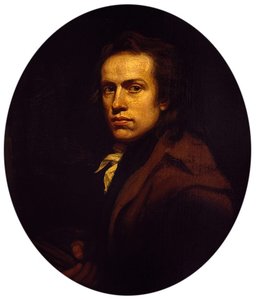
John Opie
1761 - 1807 , United Kingdom
Quick Facts
- Artistic Movement Or Style: Historical & Portraiture
- Artists Who Influenced This Artist:
- Caravaggio
- Velazquez
- Date Of Birth: 1761
- Date Of Death: 1807
- Full Name: John Opie
- Nationality: British
- Notable Artworks: ['Shakespeare Gallery works']
- Place Of Birth: Trevellas, UK
Related Articles

John Singer Sargent's 25 Masterpieces: Portraits & Beyond | ArtsDot
Explore 25 iconic John Singer Sargent paintings – from dazzling portraits to Impressionist landscapes. Discover the stories behind Madame X, El Jaleo & more! Find museum-quality art reproductions and elevate your home decor with ArtsDot.com.

John Constable's Masterpieces: Explore 25 Iconic Landscapes for Your Home
Journey through John Constable's 25 most celebrated landscapes. Explore Romanticism, Dedham Vale & his masterful use of light in iconic paintings like 'Hay Wain'. Find museum-quality art reproductions and elevate your home decor on ArtsDot.com.

Oil on Canvas: A Historical & Technical Exploration of a Timeless Artistic Medium
Explore the rich history & enduring techniques of oil painting on canvas. Discover the science behind its longevity, conservation practices, and contemporary relevance. Expert insights for art enthusiasts.

The Enduring Legacy of Oil on Canvas: Technique, History & Aesthetic Impact
Explore the rich history & techniques of oil painting – from Renaissance masters to Impressionism. Discover pigments, layering methods, and why this timeless medium endures. Expert insights for artists & art enthusiasts.

The Enduring Legacy of Oil on Canvas: Technique, History & Contemporary Practice
Explore the rich history & enduring techniques of oil painting on canvas. Discover the science behind its longevity, conservation practices, and contemporary relevance. Expert insights for art enthusiasts.