 Preview
 Send
Send Share
Share
 Details

 Download
 Similars
 X-Ray
X-Ray Diaporama
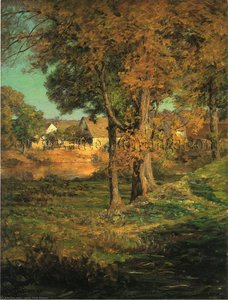
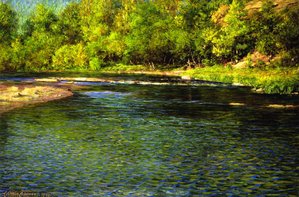
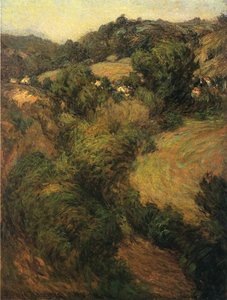
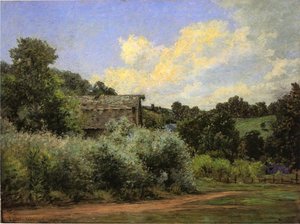
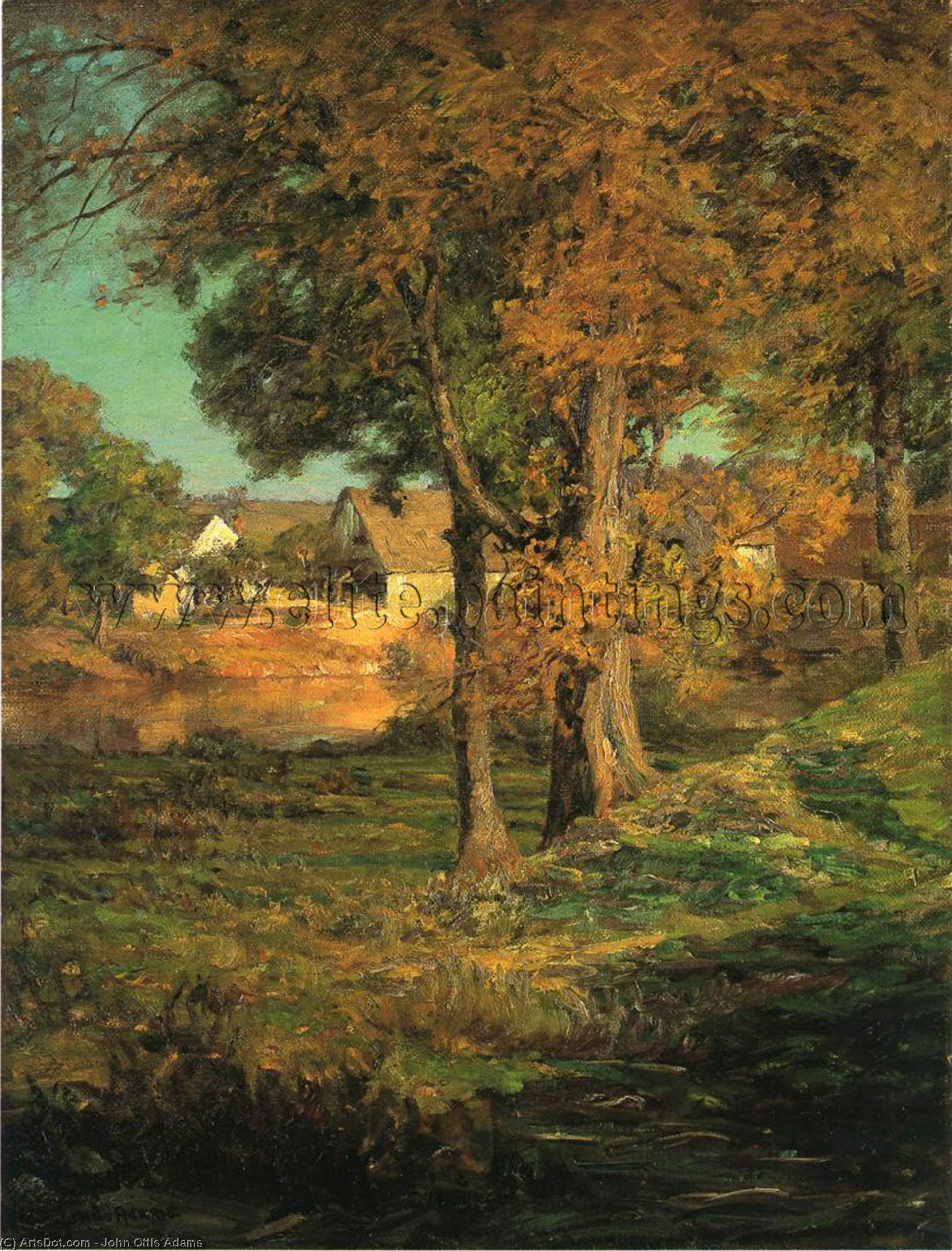
Thornberry's Pasture Brooklyn, Indiana


 Read More
Hand Made Oil Reproduction
Hand-painted oil on canvas in your size and frame, made to order by our artists. ( Buy Print Buy Image)




P118B $10

P118H $10

P118W $10

P438Z $10

P508JH $12

P508YH $12

P805H $10

P805Z $10

P919BZ $10

P919G $10

P919XJ $10

P959ZH $10

P968JZ $12

W106C $8

W218G $10

W218JH $8

W218Y $10

W307PJ $10

W316G $10

W316PJ $8

W316Y $10

W398PJ $8

W4111J $10

W500HY $15

W500JH $15

W692G $12

W849H $8

W940BG $15

W953PJ $8




Pick from our preset sizes that match the artwork's original proportions.

You may enter your own dimensions to fit a specific frame or space. If your selected size does not match the original image's proportions, we will either crop the artwork or extend the painting with additional hand-painted elements. A digital mockup will be sent for your approval before production begins.
Please note that the on-screen preview does not reflect the actual cropping or extension. Only the mockup will accurately show the final composition.
While custom sizes are available, we recommend selecting a dimension from the predefined list to preserve the original proportions.
After order, ArtsDot.com team will email client for instructions and provide a mockup preview
Worldwide Delivery () in 3/4 weeks instead of standard 5 weeks. (16 August). No compromise on quality.

Free Worldwide Express Shipping

High-Quality Linen Canvas

Full Shipping Insurance

Customs Tax Refund Guarantee

True Color Matching Guarantee

60-Day Return Policy (Defects Only)

100% Money-Back Guarantee

Bulk Discount Offer
 Glass option is only available in size under 110 CM

Thornberry's Pasture Brooklyn, Indiana
Reproduction Medium
Reproduction Size
-


Total Price
$ 263
Artwork Description
A Quiet Reflection on Indiana’s Heartland
The painting “Thornberry's Pasture Brooklyn, Indiana” by John Ottis Adams stands as a poignant testament to the American Impressionist movement’s fascination with capturing fleeting moments of beauty and tranquility. Completed in 1904, this oil on canvas masterpiece resides within the Indianapolis Museum of Art, offering visitors a glimpse into a pivotal era of artistic exploration—a time when painters sought to distill the essence of nature's grandeur without resorting to grand narratives or dramatic poses.The Artist’s Vision: Adams and His Hoosier Group
John Ottis Adams wasn’t merely an artist; he was a cornerstone of the Hoosier Group, alongside luminaries like T.C. Steele and William Forsyth. This collective championed a distinctive aesthetic rooted in regional landscapes—specifically Indiana—and embraced a stylistic approach characterized by soft brushstrokes and a masterful manipulation of light. Unlike Impressionists who often prioritized capturing optical sensations, Adams aimed to convey an emotional resonance derived from observing the natural world. His canvases weren’t intended to simply depict what was seen; they were vehicles for expressing feelings of serenity and contemplation—a deliberate counterpoint to the anxieties prevalent during the period.Technique and Style: Impressionistic Mastery
Adams's technique exemplifies the core tenets of Impressionism. He employed loose, visible brushstrokes – a hallmark of the Hoosier Group – layering pigment onto the canvas in thin glazes that allowed light to penetrate through the paint surface. This method brilliantly rendered the dappled sunlight filtering through the foliage, creating an illusion of shimmering luminescence and enhancing the painting’s overall atmosphere. The muted palette—dominated by greens, browns, and blues—further contributes to the scene's calming effect, mirroring the quiet stillness of Brooklyn, Indiana. Careful attention was paid to tonal gradations, subtly shaping the contours of the landscape and imbuing it with depth and realism.Historical Context: Embracing Rural America
The painting emerged during a period of significant social and economic transformation in America—the burgeoning industrial revolution juxtaposed against an enduring appreciation for rural life. Artists like Adams responded to this duality by portraying scenes from the Midwest, celebrating its unspoiled vistas and fostering a connection with the natural world. The Hoosier Group’s commitment to depicting American landscapes reflected a broader cultural yearning for simplicity and authenticity amidst the complexities of urban expansion. Furthermore, it aligns with the burgeoning interest in psychology and introspection that characterized the era—a desire to capture not just what was seen but also how one felt when confronted with beauty.Symbolism: The Quietude of Observation
Beyond its technical brilliance, “Thornberry’s Pasture Brooklyn, Indiana” carries subtle symbolic weight. The solitary figures positioned near the river represent humanity's engagement with nature—a deliberate gesture toward mindful contemplation and appreciation for the rhythms of daily life. The trees themselves symbolize resilience and permanence against the backdrop of transient seasons, reminding viewers of the enduring beauty found in the natural world. Adams’s masterful depiction of light – particularly its diffused glow – embodies a spiritual aspiration to illuminate the inner landscape as well as the external one.Emotional Impact: A Balm for the Soul
Ultimately, “Thornberry's Pasture Brooklyn, Indiana” succeeds in transporting the viewer to a place of profound peace and tranquility. Its soft colors, delicate brushstrokes, and evocative composition evoke feelings of nostalgia and contentment—a timeless reminder that true beauty resides not in grand spectacle but in quiet observation. Like Clyfford Still’s paintings – which share Adams's focus on color and texture – this artwork speaks to a fundamental human desire for connection with the natural world and offers an enduring invitation to savor the simple joys of existence.Related Artworks
Artist Biography
A Forgotten Voice of American Impressionism
John Ottis Adams, born in the quiet Indiana countryside in 1851, occupies a somewhat enigmatic position within the narrative of American Impressionist painters. Though he didn’t achieve the widespread recognition enjoyed by contemporaries like T.C. Steele or William Forsyth – with whom he formed the core of the celebrated Hoosier Group – Adams's dedication to capturing the serene beauty of the American landscape and the subtle nuances of everyday life deserves renewed attention. His artistic journey, marked by periods of relative obscurity, reveals a skilled observer deeply attuned to the shifting light and atmosphere that defined the late 19th and early 20th centuries. Adams’s story is one of quiet perseverance, a commitment to his craft fueled not by ambition for fame but by an intrinsic need to translate the world around him onto canvas. He embarked on formal training at the South Kensington School of Art in London, followed by seven years immersed in the rigorous academic tradition of the Academy of Fine Arts in Munich. These formative experiences instilled within him a strong foundation in technique and composition, yet he ultimately chose to forge his own path, one that resonated with the uniquely American spirit of Impressionism.
The Hoosier Group and Artistic Development
Upon returning to Indiana in 1887, Adams became a pivotal figure in establishing a distinctly Midwestern artistic identity. Alongside Steele, Forsyth, Otto Stark, and Richard Gruelle, he formed the Hoosier Group, artists united by their shared commitment to depicting the landscapes and rural life of their native state. This collective fostered an environment of mutual support and experimentation, allowing each artist to refine their individual style while contributing to a broader artistic movement. Initially, the group’s work leaned towards tonalism, characterized by muted colors and evocative depictions of mood and atmosphere. However, influenced by the burgeoning Impressionist movement in Europe, Adams and his colleagues gradually embraced brighter palettes and looser brushwork, seeking to capture the fleeting effects of light and color. His landscapes, particularly those painted along the Whitewater River near Brookville, Indiana – where he established a beloved home and studio known as The Hermitage – exemplify this shift. These paintings are not merely representations of scenery; they are immersive experiences, inviting the viewer to share in the tranquility and beauty of the natural world. Adams’s skill extended beyond landscapes; he also produced compelling portraits that offer glimpses into the lives of ordinary Americans during a period of significant social change. He possessed an ability to capture not just likenesses but also the inner character and dignity of his subjects, reflecting a deep empathy for the human condition.
A Life Dedicated to Art and Education
Beyond his own artistic pursuits, Adams was deeply committed to fostering creativity in others. He co-founded the Muncie Art School with William Forsyth, providing aspiring artists with access to quality instruction. He also played a crucial role in developing art programs at the John Herron Art Institute (now the Indianapolis Museum of Art), shaping the next generation of Indiana artists. His dedication to education reflects a belief in the transformative power of art and its ability to enrich individual lives and communities. The Hermitage, his home near Brookville, became not only a personal sanctuary but also a gathering place for fellow artists and students, fostering a vibrant artistic community. It was here, surrounded by the landscapes that inspired him, that Adams continued to paint and teach until his death in 1927. His influence extended beyond formal instruction; he offered informal lessons at The Hermitage, creating an inclusive environment where creativity could flourish. He believed that art should be accessible to all, and he actively encouraged experimentation and individual expression among his students.
Legacy and Rediscovery
Despite his contributions to American art, John Ottis Adams’s work remained largely overlooked for much of the 20th century. However, in recent years, there has been a growing appreciation for his subtle yet powerful paintings. His works can now be found in various collections, both public and private, offering opportunities for new audiences to discover his unique vision. Platforms like ArtsDot play a vital role in making his art accessible through reproductions, ensuring that his legacy endures. While he may not be a household name, Adams’s paintings offer a valuable window into the artistic landscape of late 19th and early 20th century America. His dedication to capturing the essence of the American experience – its landscapes, its people, and its evolving identity – makes him a significant figure in the history of American Impressionism. Exploring his work is not merely an act of art appreciation; it’s a rediscovery of a forgotten voice, one that speaks eloquently of beauty, tranquility, and the enduring power of artistic vision. His paintings serve as a reminder that true artistry lies not in grand gestures or revolutionary statements, but in the quiet observation and faithful representation of the world around us.
Further Exploration
- Explore similar styles at the Musée des Beaux-Arts (Auxerre, France) for broader context.
- Delve deeper into American art through ArtsDot’s artist portfolio.
- Research the Hoosier Group and their impact on Midwestern art history.
Adams's work stands as a testament to the enduring power of observation, the beauty of the American landscape, and the importance of artistic education. His legacy deserves continued recognition and celebration.
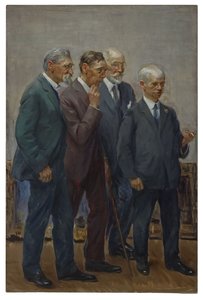
John Ottis Adams
1851 - 1927 , United States of America
Quick Facts
- Artistic Movement Or Style: Impressionism
- Artists Or Movements Influenced By This Artist: ['Hoosier Group']
- Artists Who Influenced This Artist:
- J. Frank Currier
- John Parker
- Date Of Birth: 1851
- Date Of Death: 1927
- Full Name: John Ottis Adams
- Nationality: American
- Place Of Birth: Amityville, USA
Related Articles

John Constable's Masterpieces: Explore 25 Iconic Landscapes for Your Home
Journey through John Constable's 25 most celebrated landscapes. Explore Romanticism, Dedham Vale & his masterful use of light in iconic paintings like 'Hay Wain'. Find museum-quality art reproductions and elevate your home decor on ArtsDot.com.
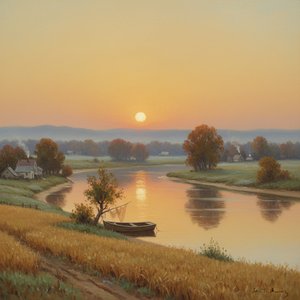
John Ottis Adams: Capturing Rural Indiana's Luminist Spirit
Explore the serene landscapes of John Ottis Adams, a key American Impressionist of the Hoosier Group. Discover his Luminist style & forgotten legacy with ArtsDot.

John Singer Sargent's 25 Masterpieces: Portraits & Beyond | ArtsDot
Explore 25 iconic John Singer Sargent paintings – from dazzling portraits to Impressionist landscapes. Discover the stories behind Madame X, El Jaleo & more! Find museum-quality art reproductions and elevate your home decor with ArtsDot.com.

Beyond the Horizon: 10 Landscape Masterpieces for Your Home Decor
Journey through 10 breathtaking landscape paintings by Monet, Van Gogh & more! Explore iconic artworks, artistic techniques & find inspiration for your home decor. Museum-quality reproductions at ArtsDot.com. Discover all masterpieces on ArtsDot.com

Romantic Landscapes: 10 Masterpieces for Your Home | ArtsDot
Journey through 10 Romantic landscape masterpieces by Friedrich, Turner & Cole. Explore emotional art, sublime nature scenes & iconic 19th-century paintings. Find museum-quality reproductions for your home at ArtsDot.com – discover the full collection online!