 Preview
 Send
Send Share
Share
 Details

 Download
 Similars
 X-Ray
X-Ray Diaporama
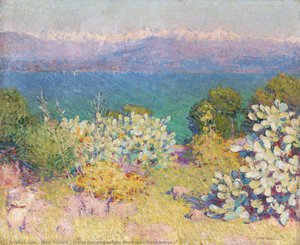
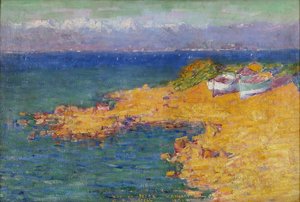
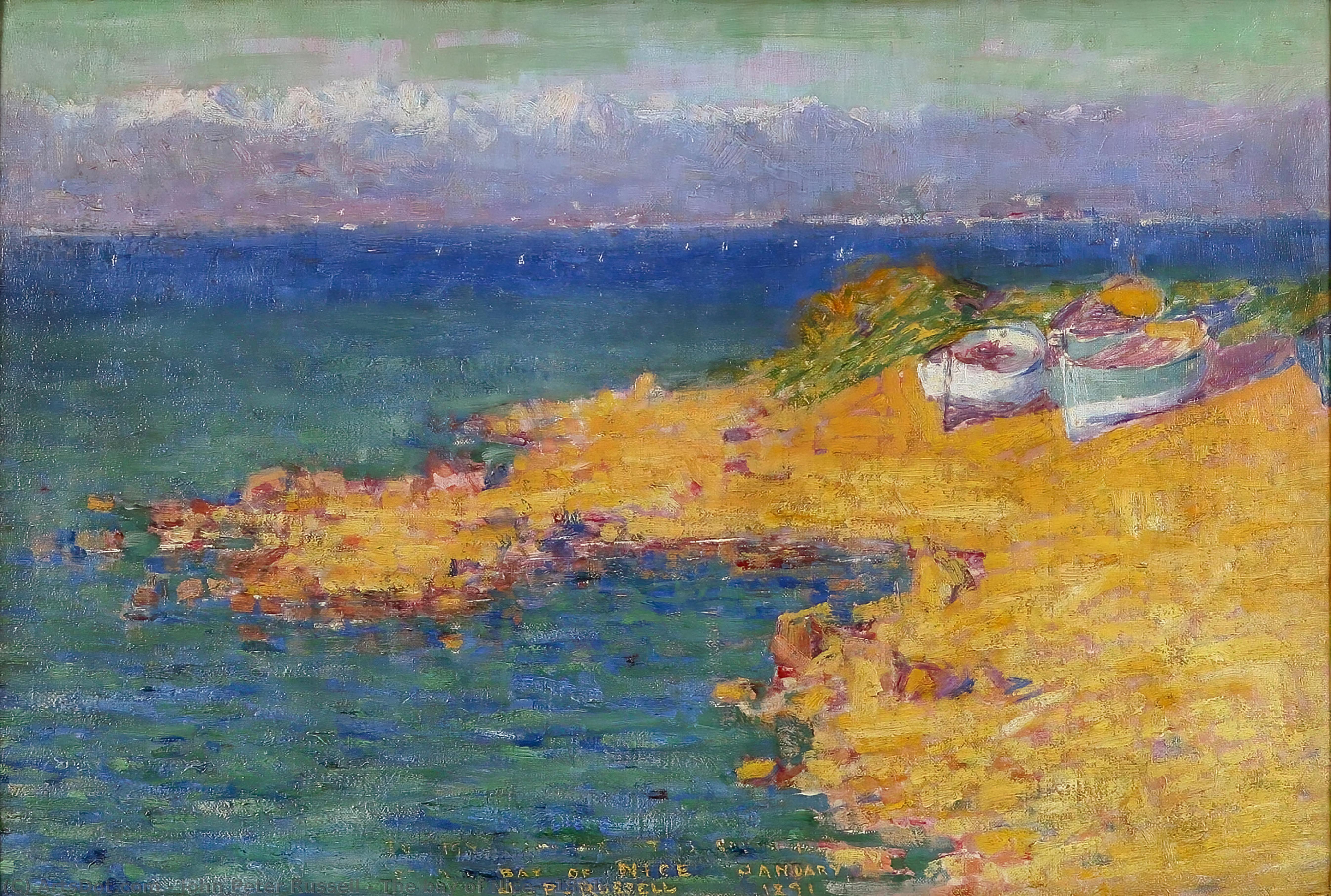
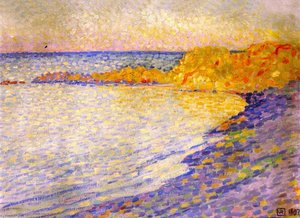
The bay of Nice, (1891)


 Read More
Hand Made Oil Reproduction
Hand-painted oil on canvas in your size and frame, made to order by our artists. ( Buy Print Buy Image)




P118B $10

P118H $10

P118W $10

P438Z $10

P508JH $12

P508YH $12

P805H $10

P805Z $10

P919BZ $10

P919G $10

P919XJ $10

P959ZH $10

P968JZ $12

W106C $8

W218G $10

W218JH $8

W218Y $10

W307PJ $10

W316G $10

W316PJ $8

W316Y $10

W398PJ $8

W4111J $10

W500HY $15

W500JH $15

W692G $12

W849H $8

W940BG $15

W953PJ $8




Pick from our preset sizes that match the artwork's original proportions.

You may enter your own dimensions to fit a specific frame or space. If your selected size does not match the original image's proportions, we will either crop the artwork or extend the painting with additional hand-painted elements. A digital mockup will be sent for your approval before production begins.
Please note that the on-screen preview does not reflect the actual cropping or extension. Only the mockup will accurately show the final composition.
While custom sizes are available, we recommend selecting a dimension from the predefined list to preserve the original proportions.
After order, ArtsDot.com team will email client for instructions and provide a mockup preview
Worldwide Delivery () in 3/4 weeks instead of standard 5 weeks. (16 August). No compromise on quality.

Free Worldwide Express Shipping

High-Quality Linen Canvas

Full Shipping Insurance

Customs Tax Refund Guarantee

True Color Matching Guarantee

60-Day Return Policy (Defects Only)

100% Money-Back Guarantee

Bulk Discount Offer
 Glass option is only available in size under 110 CM

The bay of Nice, (1891)
Reproduction Medium
Reproduction Size
-


Total Price
$ 263
Artwork Description
A Sun-Drenched Escape: The Luminous Spirit of Nice
In the shimmering expanse of The Bay of Nice (1891), John Peter Russell invites us into a moment of pure, unadulterated tranquility. This masterpiece captures the essence of the French Riviera during the late nineteenth century, presenting a coastal scene that breathes with the vitality of summer. The composition draws the eye across a sun-kissed shoreline where the rhythmic dance of the Mediterranean waves meets the golden sands. As we gaze upon the water, two boats drift lazily—one anchored near the left foreground and another receding toward the horizon—serving as anchors for our wandering eyes amidst the lively movement of the shore. The presence of scattered figures, engaged in the quiet joys of seaside leisure, creates a tapestry of human connection with nature, while a solitary dog near the center adds a touch of domestic warmth to this grand maritime vista.
The technique employed by Russell is a testament to his deep immersion in the Impressionist movement. Rather than relying on rigid outlines, he utilizes a vibrant, broken brushstroke method that allows light to dance across the canvas. The interplay of color is nothing short of hypnotic; the blues and teals of the ocean shift in depth, reflecting the varying intensities of the midday sun, while the warmth of the beach provides a soft, tonal contrast. This approach does more than just depict a location; it captures the very atmosphere—the salt spray in the air, the heat radiating from the sand, and the fleeting quality of light that defines the Impressionist soul. For the discerning collector or interior designer, this painting offers a window into a world where time seems to slow down, making it an ideal centerpiece for spaces designed to evoke serenity and Mediterranean elegance.
The Legacy of a Lost Impressionist
To understand the emotional depth of this work, one must consider the hand behind the brush. John Peter Russell, often referred to as “Australia’s Lost Impressionist,” brought a unique transatlantic perspective to his art. Having studied under masters in London and Paris, Russell possessed a sophisticated command of light and form that allowed him to translate the Mediterranean landscape into something profoundly poetic. His connection to the inner circles of the Impressionist movement infused his work with an experimental spirit, yet he never lost sight of the emotional resonance found in everyday scenes. In The Bay of Nice, we see this perfect marriage of technical prowess and sentimental grace.
For those looking to adorn a home or gallery with a high-quality reproduction, this piece serves as more than mere decoration; it is an invitation to nostalgia and peace. The painting’s ability to transform a room through its bright, airy palette makes it a versatile choice for modern interiors seeking a touch of classical splendor. It evokes a sense of wanderlust and a longing for the timeless beauty of the coast, ensuring that every time one looks upon this work, they are transported to the sun-drenched shores of 1891.
Related Artworks
Artist Biography
The Rediscovered World of John Peter Russell
John Peter Russell remains a compelling, almost paradoxical figure in the history of Australian art. Often dubbed “Australia’s Lost Impressionist,” his story is one of transatlantic artistic exchange, personal tragedy, and eventual rediscovery. Born in Sydney in 1858, Russell's path diverged from the typical colonial trajectory when, at eighteen, he embarked for Europe – initially to pursue engineering, but swiftly drawn into the vibrant world of art. This decision would place him at the very heart of the burgeoning Impressionist movement and forge connections with some of its most iconic figures. His early education at Goulburn School provided a foundation, yet it was his studies under Alphonse Legros at the Slade School of Fine Art in London (1881-1883) that truly ignited his artistic ambitions. This formal training instilled in him a strong draughtsmanship, but it was his subsequent move to Paris and tutelage under Fernand Cormon that unlocked his passion for color and light.Parisian Circles and the Dawn of Impressionism
Paris in the 1880s was a crucible of artistic innovation, and Russell quickly immersed himself within its dynamic circles. It was here he formed a particularly close friendship with Vincent van Gogh, a relationship documented by Russell’s striking 1886 portrait of the artist – considered one of the most important depictions of Van Gogh created by a contemporary. This portrait offers a poignant glimpse into Van Gogh's character and foreshadows the emotional intensity that would come to define his work. Beyond Van Gogh, Russell’s artistic development was profoundly shaped by his encounter with Claude Monet. Spending time painting alongside Monet at Belle Île, he absorbed the techniques of *plein air* painting, embracing broken brushstrokes and a heightened sensitivity to atmospheric effects. This period marked a turning point in Russell's style, as he began to fully embrace the principles of Impressionism. However, his influence wasn’t solely received; Russell also proved to be a significant source of inspiration for others. Henri Matisse himself credited Russell with introducing him to the core tenets of Impressionism and color theory during a visit to Belle Île in the 1890s – a testament to Russell's understanding and articulation of these artistic principles.Belle Île: A Sanctuary of Light and Color
The island of Belle Île, off the coast of Brittany, became central to Russell’s life and art. He settled there with his wife, Marianna Mattiocco – a model for Auguste Rodin – and established a home that served as both studio and sanctuary. The rugged coastline, dramatic cliffs, and ever-changing light of Belle Île provided endless inspiration. His seascapes from this period are particularly noteworthy, capturing the raw energy and beauty of the Atlantic Ocean with vibrant color and loose brushwork. Works like *Les aiguilles de Coton, Belle-Île* (1897), a delicate watercolor depicting the island’s distinctive rock formations, exemplify his ability to translate fleeting impressions into enduring images. Russell's style during this time was characterized by an optimistic portrayal of landscapes and figures, infused with a joyful sense of light and color. He wasn’t merely replicating what he saw; he was interpreting it through the lens of his own unique sensibility. Paintings like *Mon Ami 'Polite'* (c. 1900), a portrait of a local fisherman, demonstrate his skill in capturing not only physical likeness but also the character and atmosphere of his subjects.Tragedy, Obscurity, and Lasting Legacy
The course of Russell’s life took a tragic turn with the death of his wife, Marianna, in 1907. Overwhelmed by grief, he made the devastating decision to destroy approximately 400 of his paintings – an immeasurable loss to art history. He eventually returned to Sydney in old age, living a relatively quiet life and largely withdrawing from the artistic community. Following his death in 1930, Russell’s work fell into obscurity for decades. However, thanks to the efforts of his niece, Thea Proctor, and subsequent scholarship, his reputation began to be restored in the late 20th century. Biographies were published, exhibitions were mounted, and a growing appreciation emerged for his unique contribution to both Australian and European art. Today, Russell’s works are held in major galleries around the world, including the Musée d'Orsay and the Musée Rodin in Paris, as well as prominent institutions in Australia. His story serves as a powerful reminder of the often-overlooked contributions of artists who operate outside the mainstream, and his work stands as a testament to the enduring power of Impressionism and the beauty of light and color. He remains a vital bridge between Australian and French artistic traditions, finally receiving the recognition he deserved as a pioneering figure in modern art.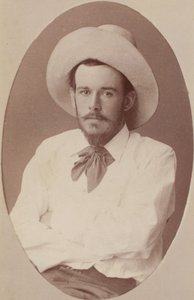
John Peter Russell
1858 - 1930 , Australia
Quick Facts
- Artistic Movement Or Style: Impressionism
- Artists Or Movements Influenced By This Artist: ['Henri Matisse']
- Artists Who Influenced This Artist:
- Claude Monet
- Vincent van Gogh
- Date Of Birth: 16 June 1858
- Date Of Death: 30 April 1930
- Full Name: John Peter Russell
- Nationality: Australian
- Notable Artworks:
- Van Gogh Portrait (1886)
- Belle Île Seascapes
- Madame Sisley (1887)
- Mon Ami 'Polite' (c. 1900)
- Place Of Birth: Sydney, Australia
Related Articles
The Allure of the Horizon: A Comprehensive Exploration of Seascape Art Through History & Emotion
Explore the captivating world of seascape art! Discover its history, key artists & movements – from Dutch Masters to Impressionism. Expert insights for collectors and enthusiasts at ArtsDot.
Impressionist Landscapes: 10 Masterpieces for Your Home | ArtsDot
Journey through 10 iconic Impressionist landscapes by Monet, Renoir & Degas. Explore the history, techniques & emotions behind these masterpieces. Find museum-quality reproductions for your home at ArtsDot.com – where art comes to life! Discover all masterpieces on ArtsDot.com

Renoir's Masterpieces: Explore 25 Iconic Paintings & Bring Art Home | ArtsDot
Explore 25 iconic Pierre-Auguste Renoir paintings! Discover the stories behind Impressionist masterpieces like 'Dance at Le Moulin de la Galette' & 'Luncheon of the Boating Party'. Find museum-quality art reproductions and elevate your home decor with ArtsDot.com.
Impressionistic Realism's Finest: 10 Masterpieces for Your Home | ArtsDot
Journey through Impressionistic Realism with 10 iconic masterpieces by Monet, Renoir & Van Gogh. Explore art history, techniques & find museum-quality reproductions for your home at ArtsDot.com. Discover all masterpieces online!

Impressionistic Landscapes: 10 Masterpieces That Changed Art & Decor
Journey into the heart of Impressionism! Explore 10 masterpieces by Monet, Renoir & Degas that revolutionized landscape art. Discover their stories, techniques & find museum-quality reproductions to elevate your home decor on ArtsDot.com.