 Preview
 Send
Send Share
Share
 Details

 Download
 Similars
 X-Ray
X-Ray Diaporama
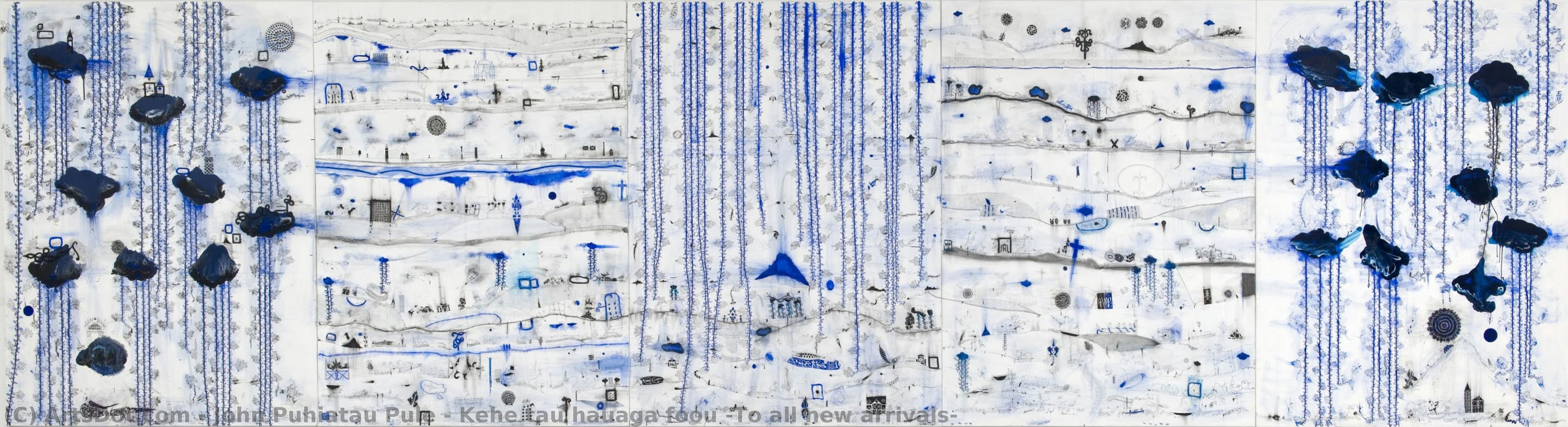
Kehe tau hauaga foou (To all new arrivals)
 Painting
- Contemporary Art
 2007
2007- Contemporary
 1000.0 x 270.0 cm
 Auckland Art Gallery Toi o Tāmaki
 Read More
Hand Made Oil Reproduction
Hand-painted oil on canvas in your size and frame, made to order by our artists. ( Buy Print Buy Image)

White $1

Blurside $1

Extended $1

































Pick from our preset sizes that match the artwork's original proportions.

You may enter your own dimensions to fit a specific frame or space. If your selected size does not match the original image's proportions, we will either crop the artwork or extend the painting with additional hand-painted elements. A digital mockup will be sent for your approval before production begins.
Please note that the on-screen preview does not reflect the actual cropping or extension. Only the mockup will accurately show the final composition.
While custom sizes are available, we recommend selecting a dimension from the predefined list to preserve the original proportions.
After order, ArtsDot.com team will email client for instructions and provide a mockup preview
Worldwide Delivery () in 3/4 weeks instead of standard 5 weeks. (6 September). No compromise on quality.

Free Worldwide Express Shipping

High-Quality Linen Canvas

Full Shipping Insurance

Customs Tax Refund Guarantee

True Color Matching Guarantee

100-Day Return Policy (Defects Only)

100% Money-Back Guarantee

Bulk Discount Offer
 Glass option is only available in size under 110 CM

Kehe tau hauaga foou (To all new arrivals)
Reproduction Medium
Reproduction Size
-


Total Price
$ 263
A Shoreline of Memory and Arrival
In the expansive, panoramic sweep of Kehe tau hauaga foou (To all new arrivals), the viewer is immediately transported to a coastal sanctuary where the boundaries between land, sea, and spirit seem to dissolve. Created in 2007 by the esteemed Niuean artist John Puhiatau Pule, this monumental work serves as more than just a depiction of a beach; it is a profound meditation on presence and transition. The composition unfolds across an extraordinary scale, inviting the eye to wander through a sun-drenched landscape where figures are scattered like precious fragments of a larger story. Some individuals rest upon the sand, anchored to the earth, while others stand poised at the water's edge, caught in that liminal moment between the stability of home and the vast, unknown potential of the horizon.
The painting captures a rhythmic vitality through its masterful use of depth and movement. Boats dot the seascape, ranging from those hugging the shoreline to distant vessels drifting toward the edge of the world. These maritime elements act as powerful symbols of migration and connection—themes that are deeply embedded in Pule’s artistic DNA. As an artist whose work frequently explores the Niuean experience of diaspora and the complexities of Pacific identity, Pule utilizes these vessels to represent the journeys taken by his people, both physical and metaphorical. The interplay between the stationary figures on the shore and the drifting boats creates a poignant tension between the comfort of belonging and the inevitable pull of departure.
The Language of Pacific Identity
Technically, the work breathes with a textured, atmospheric quality that evokes the warmth of the Pacific sun and the salt-heavy air of the islands. Pule’s style seamlessly blends formal Western art principles learned in Auckland with the ancestral storytelling traditions of his Niuta heritage. The brushwork does not merely depict a scene; it builds an environment where light and shadow dance across the sand, creating a sense of lived experience. For the discerning collector or interior designer, this piece offers a commanding presence. Its immense proportions—stretching 270 centimeters in length—make it a transformative centerpiece capable of defining the character of a grand gallery, a sophisticated living space, or a curated corporate collection.
Beyond its visual splendor, Kehe tau hauaga foou resonates with an emotional depth that is rare in contemporary landscape painting. It speaks to the universal human condition: the feeling of being a "new arrival" in a changing world, and the bittersweet nature of looking back at one's origins while facing a new horizon. To possess a reproduction of this work is to hold a piece of Pacific history and a testament to the resilience of cultural identity. It is an invitation to contemplate our own journeys, making it an evocative choice for those who seek art that inspires introspection, peace, and a profound connection to the global human narrative.
Related Artworks
Artist Biography
A Tapestry of Identity: The Visionary World of John Puhiatau Pule
Born in the village of Liku, Niue, on April 18, 1962, John Puhiatau Pule carries within his creative spirit the profound weight and beauty of Pacific heritage. His journey is one of migration and reconnection, moving from the shores of Niue to New Zealand as a young child in 1964. This movement between worlds—the ancestral island home and the urban landscapes of Auckland—became the foundational tension of his life's work. Pule is not merely a painter; he is a novelist, a poet, and a visual cartographer who uses every medium at his disposal to map the complexities of Niuna identity, exploring the delicate intersections of indigenous memory and the transformative forces of colonialism.
The textures of Pule’s early life, marked by labor in factories and on dairy farms, provided a grounded, visceral connection to the physical world that would later manifest in his tactile approach to art. His creative evolution is deeply intertwined with the hiapo, the traditional Niuean decorative barkcloth. By drawing inspiration from this ancestral medium, Pule translates the intricate, freehand patterns of Niuean tapa into a contemporary visual language. His canvases often function as spiritual landscapes where the boundaries between the earthly and the otherworldly dissolve, allowing the cosmos, the oceans, and the histories of his people to emerge through layers of symbolic imagery.
Symbolism and the Language of Resistance
To encounter a Pule painting is to enter a space of profound storytelling. His work serves as a powerful tool for what he describes as decolonizing the mind, a process of reclaiming cultural narratives from the shadows of missionary influence and colonial imposition. He masterfully weaves together disparate elements: the structural grids of traditional patterns alongside modern symbols like ships and compasses; the serene beauty of Niuean forests and beaches juxtaposed against the disruptive presence of Christian iconography. This creates a "cultural cartography" that does not just depict a place, but explores the very soul of a people navigating change.
His technique is characterized by an emotive use of color and a dynamic, often energetic application of medium. Whether working in oil on canvas or utilizing enamel, Pule employs bold palettes and intricate linework to convey emotional depth. The recurring motifs of ancestral figures and mythological beings act as anchors within his compositions, providing a sense of continuity amidst the chaos of historical upheaval. In his work, the past is never truly gone; it exists in a state of constant dialogue with the present, manifesting through swirling forms and layered textures that demand the viewer's deep engagement.
Legacy and Artistic Eminence
Pule’s contributions to the global art stage are marked by both critical acclaim and significant institutional recognition. His ability to communicate complex, localized histories through a universal aesthetic has earned him a place among the most significant artists of the Pacific region. His accolades reflect a lifetime of dedication to both the visual and literary arts, including:
- The Arts Foundation of New Zealand Laureate Award (2004), recognizing his profound impact on the nation's cultural landscape.
- Art Residency at Roemerapotheke, Basel, Switzerland (2004), which allowed his Niuean narratives to resonate within a European context.
- The Ursula Bethell Residency in Creative Writing at the University of Canterbury (2013), highlighting his dual mastery as a poet and visual artist.
- Recognition by the Queensland Art Gallery, which identifies him as one of the Pacific's most vital contemporary voices.
Through his novels, such as The Shark That Ate the Sun, and his evocative poetry collections like The Bond of Time, Pule has built a multi-dimensional legacy. He remains an essential figure in contemporary art, reminding us that the act of creation is often an act of survival—a way to preserve the flickering lights of tradition against the encroaching tides of history.
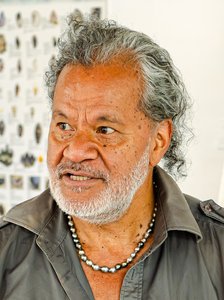
john puhiatau pule
1962 - , Niue
Quick Facts
- Artistic Movement Or Style: Pacific Art
- Date Of Birth: April 18, 1962
- Full Name: John Puhiatau Pule
- Nationality: Niuean
- Notable Artworks: ['Kehe tau hauaga foou']
- Place Of Birth: Likuta, Niue
Related Articles
Boats on Canvas: 10 Masterpieces of Maritime Art for Your Home Decor
Sail away with 10 iconic boat paintings! Explore masterpieces by Monet, Van Gogh & Turner. Discover the stories behind these timeless seascapes and find museum-quality art reproductions for your home decor at ArtsDot.com.
Evoking the Horizon: A Historical & Artistic Exploration of Coastal Scenes in Painting
Explore the rich history of coastal scenes in painting! Discover Impressionist masterpieces, American realism & contemporary visions. Learn about renowned artists and find your perfect seascape at ArtsDot.
Navigating Symbolism & Sentiment: A Comprehensive Exploration of Boats in Art History
Explore the rich history of boats in art! Discover symbolism & style from ancient myths to Impressionist masterpieces. Expert insights for collectors at ArtsDot.
Navigating Symbolism & Style: A Comprehensive Exploration of Boats in Art History
Explore the rich history of boats in art! From ancient symbolism to Impressionist masterpieces & modern visions, discover renowned artists & collecting tips at ArtsDot.
Joseph Kleitsch: Bridging Impressionism & California Regionalism – A Study of Light and Identity
Explore the life & work of Joseph Kleitsch, a pivotal California Impressionist painter. Discover his vibrant landscapes, portraits, and legacy within the Laguna Beach art colony. A comprehensive study for collectors & enthusiasts.