 Preview
 Send
Send Share
Share
 Details

 Download
 Similars
 X-Ray
X-Ray Diaporama
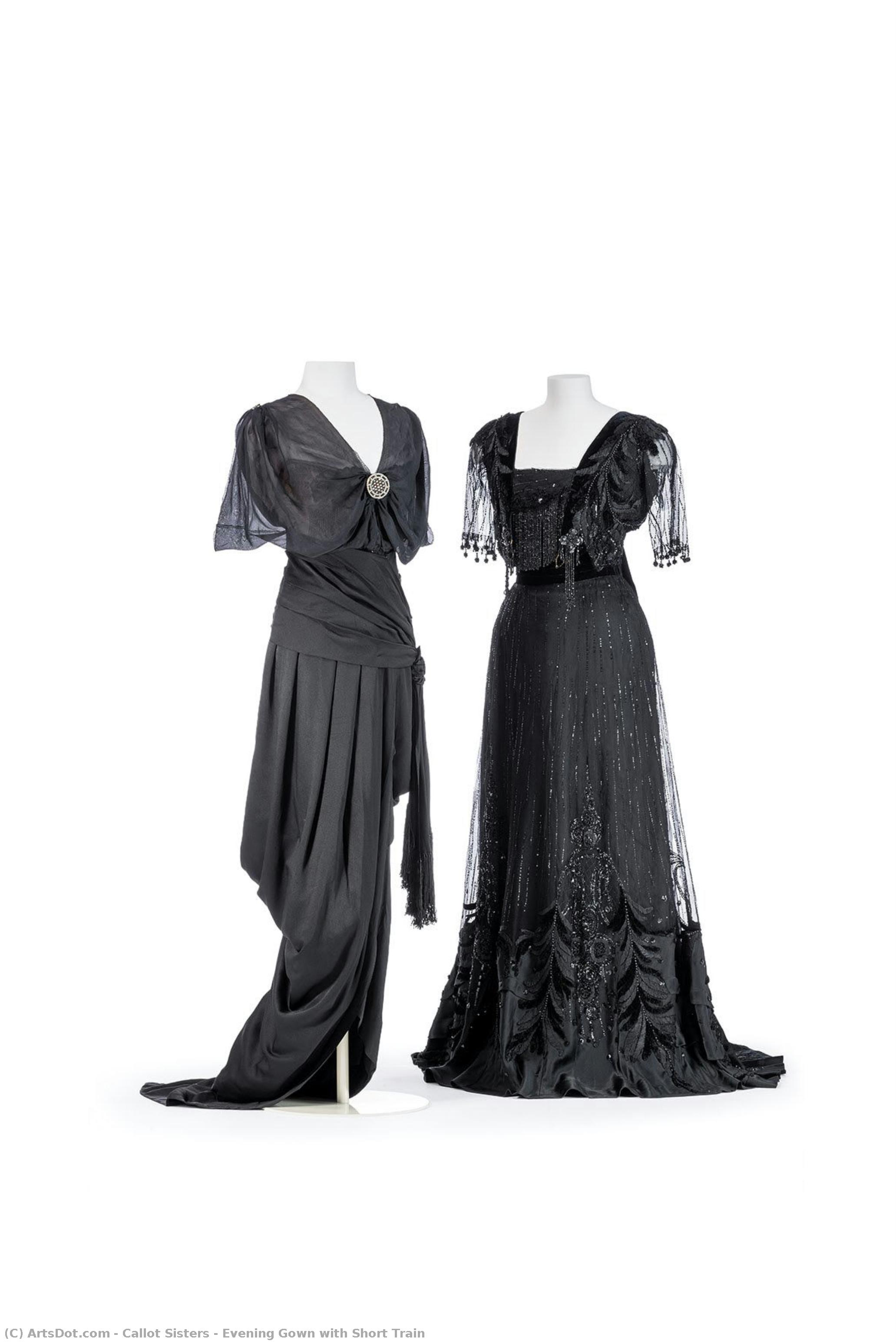
Evening Gown with Short Train


 Read More
Hand Made Oil Reproduction
Hand-painted oil on canvas in your size and frame, made to order by our artists. ( Buy Print Buy Image)




































Pick from our preset sizes that match the artwork's original proportions.

You may enter your own dimensions to fit a specific frame or space. If your selected size does not match the original image's proportions, we will either crop the artwork or extend the painting with additional hand-painted elements. A digital mockup will be sent for your approval before production begins.
Please note that the on-screen preview does not reflect the actual cropping or extension. Only the mockup will accurately show the final composition.
While custom sizes are available, we recommend selecting a dimension from the predefined list to preserve the original proportions.
After order, ArtsDot.com team will email client for instructions and provide a mockup preview
Worldwide Delivery () in 3/4 weeks instead of standard 5 weeks. (29 August). No compromise on quality.

Free Worldwide Express Shipping

High-Quality Linen Canvas

Full Shipping Insurance

Customs Tax Refund Guarantee

True Color Matching Guarantee

60-Day Return Policy (Defects Only)

100% Money-Back Guarantee

Bulk Discount Offer
 Glass option is only available in size under 110 CM

Evening Gown with Short Train
Reproduction Medium
Reproduction Size
-


Total Price
$ 263
Related Artworks
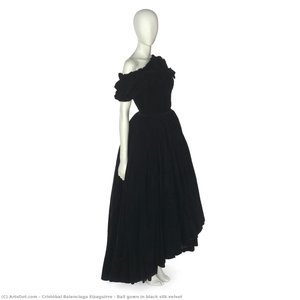
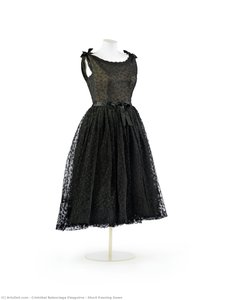
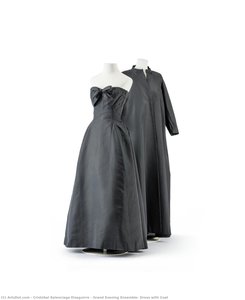
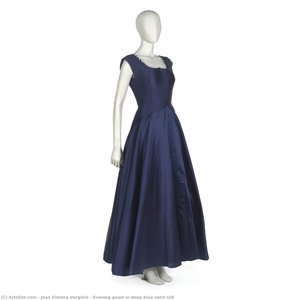
Artist Biography
The Rise of a Parisian Dynasty: Callot Soeurs and the Art of Haute Couture
In the glittering world of Belle Époque Paris, where fashion was rapidly evolving from bespoke tailoring to the art form of haute couture, few names shone as brightly as Callot Soeurs. Founded in 1895 by four remarkably talented sisters – Marie Gerber, Marthe Bertrand, Regina Tennyson-Chantrell, and Joséphine Crimont – this house quickly ascended to become a beacon of elegance, innovation, and distinctly feminine style. Unlike many of their contemporaries who relied on male designers, Callot Soeurs was entirely driven by female vision, offering a unique perspective that resonated deeply with the changing sensibilities of women at the turn of the century.
The sisters’ origins were steeped in artistry. Their mother, a skilled lacemaker, instilled in them an appreciation for delicate craftsmanship and intricate detail. Their father, Jean-Baptiste Callot, a painter and design instructor descended from a lineage of renowned artists including Jacques Callot, further nurtured their creative talents. Initially, the sisters operated a small shop specializing in antique laces, ribbons, and lingerie, but it was Marie’s innate talent for dressmaking – honed through early experience at Raudnitz and Co., a prominent Parisian atelier – that propelled them towards greater ambitions. The decision to establish a couture salon marked not just a career shift, but the birth of a fashion empire built on familial collaboration and an unwavering commitment to quality.
Aesthetic Innovation and the Rejection of Constraint
Callot Soeurs distinguished themselves from their peers by embracing fluidity and movement in their designs. They were among the first houses to move away from the restrictive corsets that defined Victorian fashion, instead favoring softer silhouettes that allowed for greater comfort and freedom. This wasn’t simply a matter of practicality; it reflected a broader societal shift towards women seeking more independence and agency. Their creations weren't about imposing a shape but enhancing the natural form. The house became celebrated for its tunics, lingerie, nightgowns, and evening wear, each piece imbued with an exquisite sense of detail and a subtle exoticism.
Their mastery lay in their ability to seamlessly blend international influences – drawing inspiration from Turkey, the Near East, China, and Japan alongside Renaissance motifs – into contemporary Parisian aesthetics. This wasn’t mere imitation; it was a sophisticated translation of foreign elements, resulting in garments that were both cutting-edge and remarkably wearable. While Paul Poiret often receives credit for introducing Eastern design to French fashion, Callot Soeurs excelled at combining these inspirations with an unparalleled level of craftsmanship. Their use of antique lace trimming, lavish embroidery, and distinctive color schemes became their signature hallmarks.
The Three Fates and American Patronage
By 1900, Callot Soeurs had already established a significant presence in both Europe and America, employing a workforce of six hundred. Their designs graced the wardrobes of actresses like Cécile Sorel, royalty such as Queen Victoria Eugenia of Spain, and the wives of prominent American businessmen, including Gloria Morgan Vanderbilt. The house reached its zenith between 1910 and 1920, earning them widespread acclaim and a reputation for catering to an elite clientele. In 1916, *Vogue* magazine famously dubbed the sisters “the Three Fates,” declaring them “foremost among the powers that rule the destinies of a woman’s life and increase the income of France.”
The outbreak of World War I presented unforeseen challenges. While European sales dwindled, American patronage proved crucial to their survival. Buyers from across the Atlantic would place substantial orders – often between 300 and 800 pieces per season – ensuring the house’s continued prosperity. This period also saw them actively combatting rampant knockoffs by regularly advertising official retailers in publications like *The New York Times*, safeguarding their unique designs.
Legacy and Enduring Influence
Despite facing personal tragedies, including the untimely death of Joséphine Crimont in 1897, and later the passing of Marthe Bertrand in 1920, Callot Soeurs continued to thrive. Marie Gerber single-handedly steered the house for seven years, demonstrating remarkable resilience and unwavering dedication. Branches were established in Nice, Biarritz, Buenos Aires, and London, further expanding their global reach.
The house ultimately closed its doors in 1937, but its legacy endures. Callot Soeurs’s impact on the evolution of haute couture is undeniable. They championed a distinctly feminine aesthetic, prioritized craftsmanship over ostentation, and embraced international influences with unparalleled sophistication. Today, their exquisite gowns are treasured artifacts housed in prestigious museums worldwide – including The Metropolitan Museum of Art, the Los Angeles County Museum of Art, and the Fashion Institute of Technology – serving as a testament to the enduring power of artistry, innovation, and the remarkable vision of four sisters who dared to redefine the landscape of fashion.
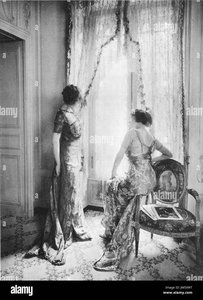
callot sisters
1895 - 1937 , France
Quick Facts
- Artistic Movement Or Style: Haute Couture, Art Deco
- Date Of Birth: 1895
- Date Of Death: 1937
- Full Name: Callot Sisters
- Nationality: French
- Notable Artworks:
- Robe de Style dresses
- Evening Gown with Short Train
- Place Of Birth: Paris, France
Related Articles

Dark Masterpieces: 10 Iconic Paintings Dominated by Black Tones |
Explore 10 iconic paintings dominated by black tones, from Rembrandt’s chiaroscuro to Goya's dark expressions. Discover the stories behind these masterpieces & find museum-quality art reproductions for your home at .

Mars Black Masterpieces: 10 Iconic Paintings & Timeless Art Decor Ideas
Delve into the power of 'Mars Black' with 10 iconic paintings by masters like Rembrandt & Caravaggio. Explore dramatic chiaroscuro, gothic art, and timeless beauty. Find museum-quality reproductions & elevate your home decor on .
Lamp Black & Masterpieces: 10 Paintings That Define Shadow & Light |
Delve into the captivating world of 'Lamp Black' tones with 10 iconic paintings by masters like Rembrandt & Caravaggio. Explore Baroque chiaroscuro, dramatic lighting & shadow in art history. Find museum-quality reproductions at

Ivory Black Masters: 10 Paintings That Define Dramatic Art |
Delve into the power of 'Ivory Black' with 10 iconic paintings by masters like Rembrandt & Caravaggio. Explore dramatic chiaroscuro, gothic moods & timeless art history. Find museum-quality reproductions and elevate your home decor at
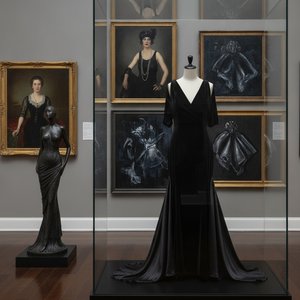
Timeless Elegance: Unveiling the Chic Allure and Artistic Legacy of Black Dress Artworks
Immerse yourself in the timeless allure of black dress artworks. Explore a curated collection of fine art reproductions and bespoke oil paintings that blend fashion history with modern elegance. Discover how ArtsDot.com transforms memories into exquisite, hand-painted masterpieces.