 Preview
 Send
Send Share
Share
 Details

 Download
 Similars
 X-Ray
X-Ray Diaporama
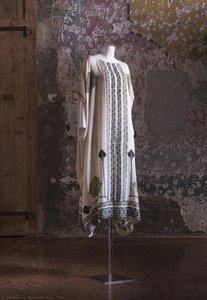
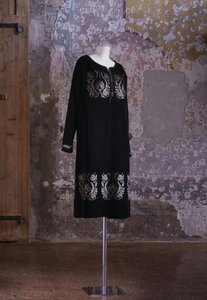
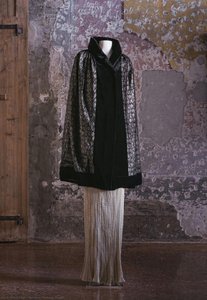
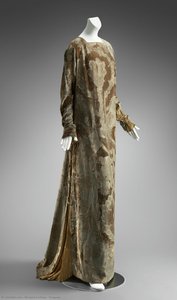
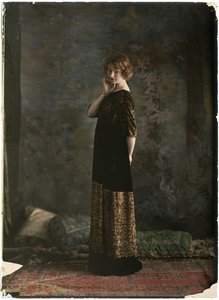
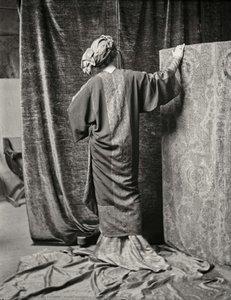
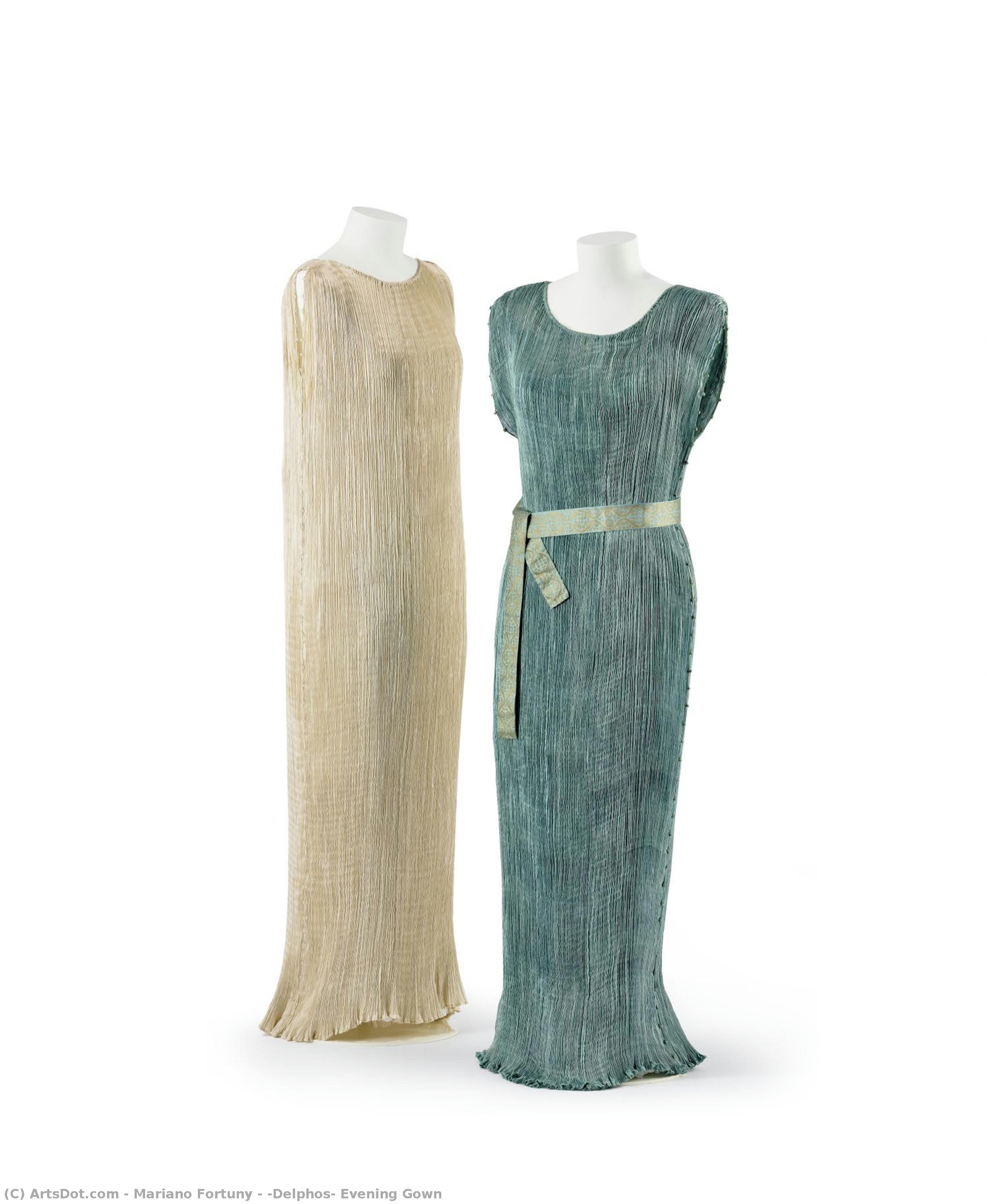
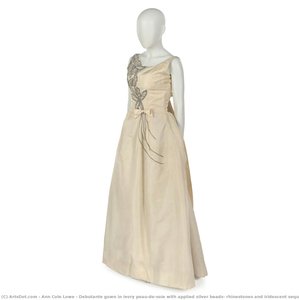
“Delphos” Evening Gown


 Read More
Hand Made Oil Reproduction
Hand-painted oil on canvas in your size and frame, made to order by our artists. ( Buy Print Buy Image)




P118B $10

P118H $10

P118W $10

P438Z $10

P508JH $12

P508YH $12

P805H $10

P805Z $10

P919BZ $10

P919G $10

P919XJ $10

P959ZH $10

P968JZ $12

W106C $8

W218G $10

W218JH $8

W218Y $10

W307PJ $10

W316G $10

W316PJ $8

W316Y $10

W398PJ $8

W4111J $10

W500HY $15

W500JH $15

W692G $12

W849H $8

W940BG $15

W953PJ $8




Pick from our preset sizes that match the artwork's original proportions.

You may enter your own dimensions to fit a specific frame or space. If your selected size does not match the original image's proportions, we will either crop the artwork or extend the painting with additional hand-painted elements. A digital mockup will be sent for your approval before production begins.
Please note that the on-screen preview does not reflect the actual cropping or extension. Only the mockup will accurately show the final composition.
While custom sizes are available, we recommend selecting a dimension from the predefined list to preserve the original proportions.
After order, ArtsDot.com team will email client for instructions and provide a mockup preview
Worldwide Delivery () in 3/4 weeks instead of standard 5 weeks. (22 August). No compromise on quality.

Free Worldwide Express Shipping

High-Quality Linen Canvas

Full Shipping Insurance

Customs Tax Refund Guarantee

True Color Matching Guarantee

60-Day Return Policy (Defects Only)

100% Money-Back Guarantee

Bulk Discount Offer
 Glass option is only available in size under 110 CM

“Delphos” Evening Gown
Reproduction Medium
Reproduction Size
-


Total Price
$ 263
Artwork Description
Mariano Fortuny: The Poet of Silk Pleats – Exploring “Delphos” and His Legacy
Mariano Fortuny y Marsal (1871–1949), a Spanish artist, designer, photographer, chemist, physicist, and inventor, stands as an unparalleled figure in the annals of decorative arts. More than merely crafting textiles; he orchestrated a revolution in aesthetic expression, fusing artistic vision with technological innovation to create garments that transcended mere fashion—they became embodiments of timeless elegance and intellectual curiosity.
Fortuny’s fascination began with his father’s collection of antique fabrics – silks from Persia and Damascus – sparking an enduring passion for texture and historical grandeur. This influence permeated his entire oeuvre, culminating in the iconic “Delphos” gown, a masterpiece that continues to captivate collectors and inspire designers today.
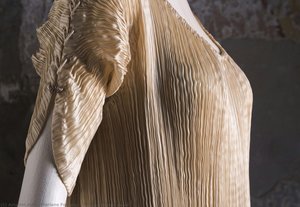
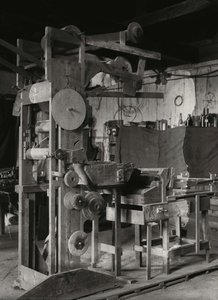
- The Genesis of “Delphos”: Fortuny’s breakthrough came in 1909 with the patenting of a revolutionary technique for producing pleated silk. Unlike conventional methods relying on laborious hand-pleating, his innovation utilized a specialized loom to achieve intricate folds with remarkable consistency and speed.
- A Synthesis of Styles: The “Delphos” gown draws inspiration from Grecian drapery—specifically the flowing robes worn by Athenian citizens—representing ideals of simplicity, grace, and intellectual refinement. This deliberate stylistic choice speaks volumes about Fortuny’s artistic sensibilities.
- Technique & Craftsmanship: Fortuny's meticulous attention to detail is evident in every aspect of the gown’s construction. The silk fabric was twisted into skeins before being fed through a loom equipped with pins that created precisely positioned pleats. Venetian glass beads were delicately inserted into cording trim, adding subtle shimmer and textural complexity.
Beyond its aesthetic beauty, “Delphos” embodies Fortuny’s broader philosophical stance—a belief that art should elevate the human spirit without imposing constraints or concealing natural form. He famously stated, "The aim of decoration is to make things more beautiful; it must not hide them." This ethos permeates his entire artistic practice.
Despite its relative obscurity during Fortuny’s lifetime, “Delphos” achieved remarkable commercial success thanks to its understated elegance and enduring appeal. Produced in limited editions until the 1940s, reproductions continue to delight connoisseurs of haute couture and furnish interiors with a touch of Venetian sophistication.
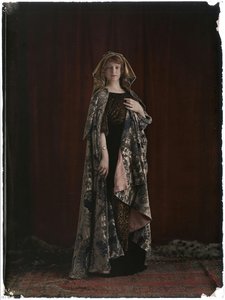
- Photographic Documentation: The image accompanying this description captures the gown’s luminous quality—a testament to Fortuny's mastery of studio lighting. Careful attention was paid to highlighting the fabric’s texture and folds, ensuring an accurate representation of its visual characteristics.
- Symbolism & Emotion: The gown evokes feelings of serenity, refinement, and nostalgia – transporting viewers back to a bygone era of artistic innovation and aristocratic grace. Its simplicity underscores Fortuny's conviction that beauty resides in restraint.
Mariano Fortuny’s legacy extends far beyond the “Delphos” gown itself; he remains an exemplar of multidisciplinary creativity—a testament to the transformative power of blending art, science, and craftsmanship. His work continues to inspire artists and designers alike, securing his place as one of Spain's most celebrated artistic figures.
Related Artworks
Artist Biography
early life and inspiration
mariano fortuny, a spanish fashion designer, was born on may 11, 1871, in granada, spain. his father, mariano fortuny y marsal, was a genre painter who passed away when mariano was just three years old. this event led to the family's move to paris, france, where mariano's mother introduced him to various textiles and fabrics that would later influence his creativity.artistic talents and inventions
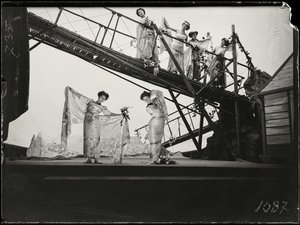
mariano fortuny showcased his artistic talents from a young age, demonstrating skills in painting, photography, sculpting, architecture, etching, and theatrical stage lighting. his inventions, including over twenty patented between 1901 and 1934, revolutionized the world of theater design.- he developed the fortuny cyclorama dome, a quarter dome-shaped structure of plaster or cloth, which used indirect lighting to create a seamless transition between scenes.
- his treatise "eclairage scenique" (1904) described his discovery of reflecting light off different surfaces, changing its color, intensity, and properties.
notable contributions and collaborations
mariano fortuny's work gained widespread recognition in the 1920s. he collaborated with notable figures, including:- richard wagner, a german composer, whose operas inspired mariano to paint scenes.
- the famous opera house, la scala of milan, where he installed his dome, adapting it for the larger theater and inventing a suction fan to maintain its taut structure.
legacy and later life
mariano fortuny passed away on may 3, 1949, in venice, italy. his work inspired french novelist marcel proust, and his life was depicted in pere gimferrer's novel "fortuny." mariano's legacy continues to influence the world of theatrical design.- explore more about mariano fortuny's inventions and designs at ArtsDot's collection.
- discover the impact of his work on theatrical lighting in the museum destroyed by fire (united states), a story of an unfortunate event that shaped american art history, available at ArtsDot's blog.
selected paintings by mariano fortuny and other artists
- mariano fortuny: teagown (museum of fine arts, boston, united states), available at ArtsDot's collection.
- marc chagall: study to 'song of songs iv' (naive art / primitivism), available at ArtsDot's collection.
- pablo picasso: clarinet (analytical cubism, oil on canvas), available at ArtsDot's collection.
- vincent van gogh: tree roots (50 x 100 cm, post-impressionism, oil on canvas), available at ArtsDot's collection.
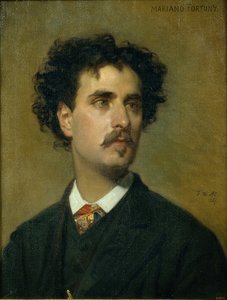
Mariano Fortuny
1871 - 1949 , Spain
Quick Facts
- Artistic Movement Or Style: Orientalism art
- Artists Or Movements Influenced By This Artist: ['Marcel Proust']
- Artists Who Influenced This Artist: ['Richard Wagner']
- Date Of Birth: May 11, 1871
- Date Of Death: May 3, 1949
- Full Name: Mariano Fortuny y Marsal
- Nationality: Spanish
- Notable Artworks:
- Teagown
- Portrait of Henriette Fortuny
- Place Of Birth: Granada, Spain
Related Articles
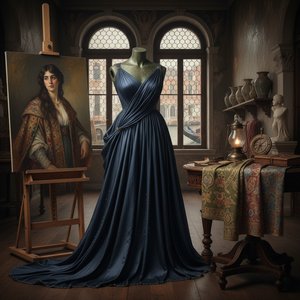
Mariano Fortuny: A Fusion of Art, Fashion & Design – Exploring a Venetian Innovator's Legacy
Explore the captivating world of Mariano Fortuny – artist, designer & innovator. Discover his revolutionary textiles, iconic Delphos gown, and lasting influence on art, fashion & interiors. A collector's guide to a Venetian master.

Crimson Threads of Narrative: Exploring Symbolism & Representation in Artworks Featuring the Red Dress
Explore the rich symbolism of the red dress in art history! From ancient power displays to iconic portraits like Cézanne’s 'Madame Cezanne', discover the cultural and artistic significance behind this captivating color. Expert analysis & insights.
Azure Visions: Exploring Representations of the Blue Dress in Western Art History
Explore the rich history of the blue dress in Western art! Discover its symbolism, from Renaissance masterpieces to modern interpretations by artists like Martin & Schiele. Uncover cultural meanings and artistic techniques.
Timeless Elegance: Unveiling the Chic Allure and Artistic Legacy of Black Dress Artworks
Immerse yourself in the timeless allure of black dress artworks. Explore a curated collection of fine art reproductions and bespoke oil paintings that blend fashion history with modern elegance. Discover how ArtsDot.com transforms memories into exquisite, hand-painted masterpieces.

Beyond the Dot: Unveiling the Industrial Magic of Silk Screens and Ben-Day Dots in Pop Art
Unveil the magic of Pop Art! Explore the fascinating history of Ben-Day dots and silk screens. Discover how these bold, industrial techniques transformed everyday imagery into high art—and learn how to bring that vibrant energy into your home with our premium, hand-painted reproductions.