 Preview
 Send
Send Share
Share
 Details

 Download
 Similars
 X-Ray
X-Ray Diaporama
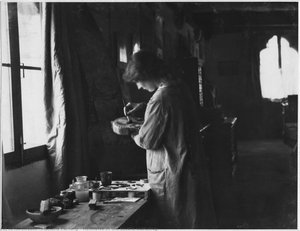
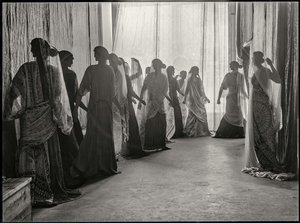
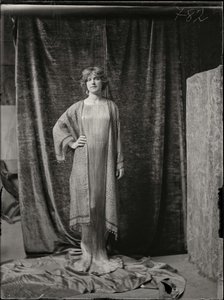
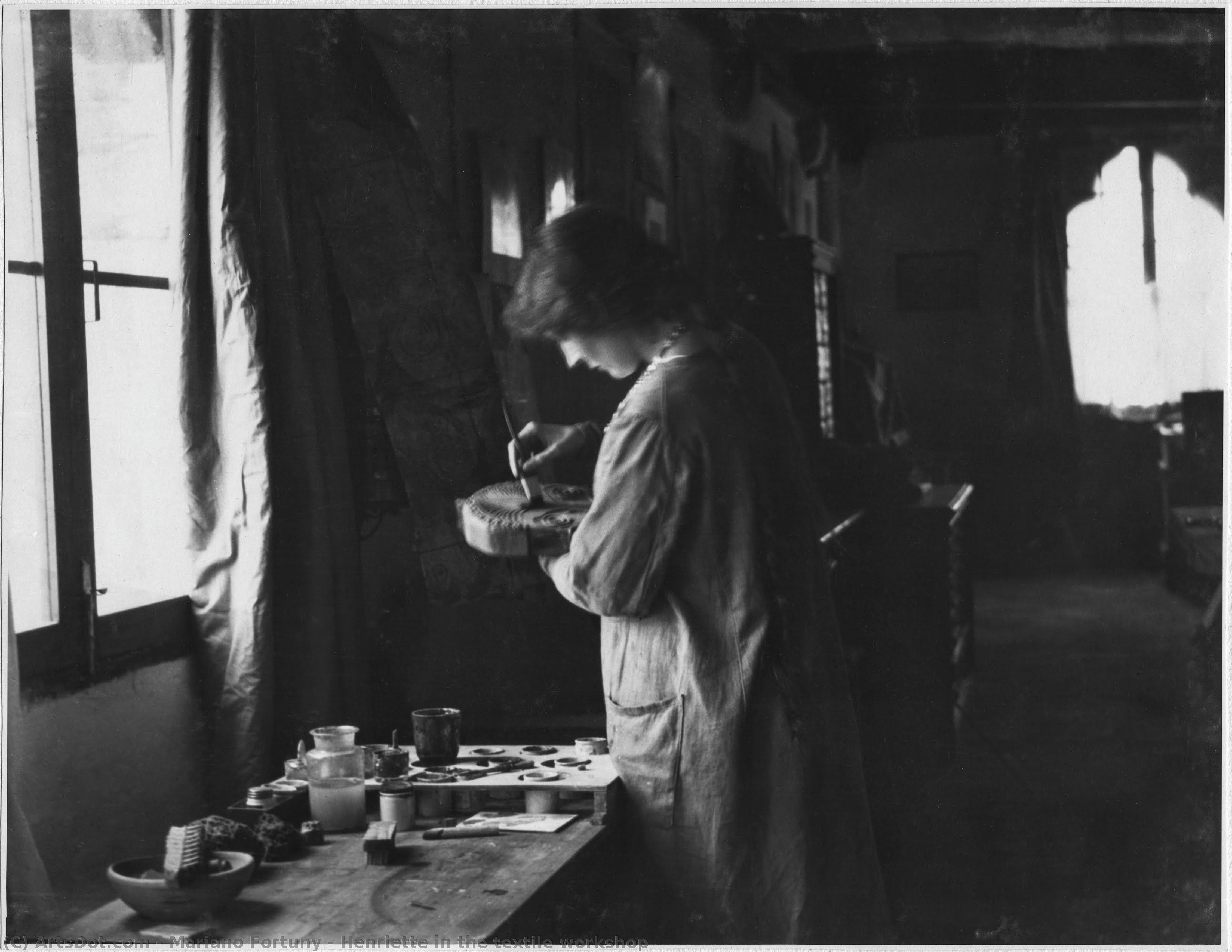
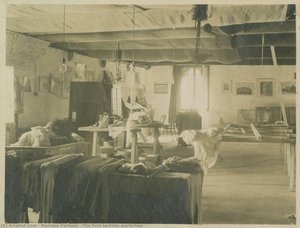
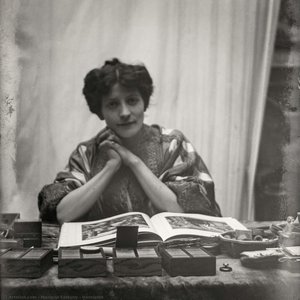
Henriette in the textile workshop
 Acrylic On Canvas
- WallArt
- Contemporary Realism
 1907
1907 20.0 x 26.0 cm
 Palazzo Fortuny
 Read More
Hand Made Oil Reproduction
Hand-painted oil on canvas in your size and frame, made to order by our artists. ( Buy Print Buy Image)




P118B $10

P118H $10

P118W $10

P438Z $10

P508JH $12

P508YH $12

P805H $10

P805Z $10

P919BZ $10

P919G $10

P919XJ $10

P959ZH $10

P968JZ $12

W106C $8

W218G $10

W218JH $8

W218Y $10

W307PJ $10

W316G $10

W316PJ $8

W316Y $10

W398PJ $8

W4111J $10

W500HY $15

W500JH $15

W692G $12

W849H $8

W940BG $15

W953PJ $8




Pick from our preset sizes that match the artwork's original proportions.

You may enter your own dimensions to fit a specific frame or space. If your selected size does not match the original image's proportions, we will either crop the artwork or extend the painting with additional hand-painted elements. A digital mockup will be sent for your approval before production begins.
Please note that the on-screen preview does not reflect the actual cropping or extension. Only the mockup will accurately show the final composition.
While custom sizes are available, we recommend selecting a dimension from the predefined list to preserve the original proportions.
After order, ArtsDot.com team will email client for instructions and provide a mockup preview
Worldwide Delivery () in 3/4 weeks instead of standard 5 weeks. (17 August). No compromise on quality.

Free Worldwide Express Shipping

High-Quality Linen Canvas

Full Shipping Insurance

Customs Tax Refund Guarantee

True Color Matching Guarantee

60-Day Return Policy (Defects Only)

100% Money-Back Guarantee

Bulk Discount Offer
 Glass option is only available in size under 110 CM

Henriette in the textile workshop
Reproduction Medium
Reproduction Size
-


Total Price
$ 263
Artwork Description
Henriette in the textile workshop
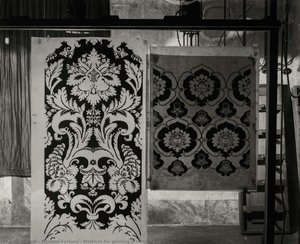
Mariano Fortuny’s “Henriette in the textile workshop” transcends mere portraiture; it embodies the spirit of Venetian artistic innovation and the profound connection between art, craft, and personal inspiration. Painted in 1907, this black and white photograph captures a pivotal moment in Fortuny's life – his dedication to establishing a groundbreaking textile printing studio alongside his beloved wife, Henriette Negrin, within the opulent Palazzo Pesaro degli Orfei. The composition centers around Henriette, seated at a table laden with fabrics and tools—a deliberate tableau reflecting the meticulous process of creating Fortuny’s celebrated Delphos gowns and other exquisitely patterned textiles. Light plays a crucial role in shaping the scene, bathing Henriette's face in soft illumination while casting deep shadows across the room, emphasizing her focused gaze and conveying an aura of quiet contemplation. The photographer skillfully utilizes perspective to draw viewers into the artist’s immediate environment, creating a sense of intimacy and immediacy that invites reflection on the creative endeavor itself. Fortuny’s artistic vision was deeply rooted in the revival of Venetian Gothic architecture and decorative arts—a movement characterized by grandeur, elegance, and an obsession with reviving classical motifs. The palazzo served as both his studio and home, fostering an environment conducive to experimentation and artistic exploration. Henriette's presence wasn't merely a domestic element; she was Fortuny’s muse, collaborator, and the catalyst for many of his most iconic designs—a testament to their symbiotic relationship and shared passion for beauty. The photograph’s stylistic choices align perfectly with Fortuny’s broader aesthetic sensibilities – realism tempered by documentary observation. The technique employs photographic printing on albumen paper, maximizing tonal range and capturing subtle nuances of texture and light. Lines are defined primarily by the edges of objects and the contours of Henriette's figure, contributing to a sense of sculptural form and visual clarity. Shapes are predominantly geometric—the rectangular table, the square blocks of stone—reflecting Fortuny’s fascination with mathematical precision and structural harmony. Ultimately, “Henriette in the textile workshop” speaks to the enduring power of artistic collaboration and the transformative potential of embracing tradition while pushing creative boundaries. It serves as a poignant reminder that true artistry emerges from a harmonious blend of intellect and emotion—a legacy beautifully preserved in this evocative image by Mariano Fortuny.- Artist: Mariano Fortuny
- Year: 1907
- Medium: Photography (Albumen Print)
- Location: Palazzo Pesaro degli Orfei, Venice
- Palazzo Fortuny Museum Website: https://nataliawillmott.co.uk/blogs/blog/mariano-fortuny
- Wikipedia Article: https://en.wikipedia.org/wiki/Mariano_Fortuny
Related Artworks
Artist Biography
early life and inspiration
mariano fortuny, a spanish fashion designer, was born on may 11, 1871, in granada, spain. his father, mariano fortuny y marsal, was a genre painter who passed away when mariano was just three years old. this event led to the family's move to paris, france, where mariano's mother introduced him to various textiles and fabrics that would later influence his creativity.artistic talents and inventions
mariano fortuny showcased his artistic talents from a young age, demonstrating skills in painting, photography, sculpting, architecture, etching, and theatrical stage lighting. his inventions, including over twenty patented between 1901 and 1934, revolutionized the world of theater design.- he developed the fortuny cyclorama dome, a quarter dome-shaped structure of plaster or cloth, which used indirect lighting to create a seamless transition between scenes.
- his treatise "eclairage scenique" (1904) described his discovery of reflecting light off different surfaces, changing its color, intensity, and properties.
notable contributions and collaborations
mariano fortuny's work gained widespread recognition in the 1920s. he collaborated with notable figures, including:- richard wagner, a german composer, whose operas inspired mariano to paint scenes.
- the famous opera house, la scala of milan, where he installed his dome, adapting it for the larger theater and inventing a suction fan to maintain its taut structure.
legacy and later life
mariano fortuny passed away on may 3, 1949, in venice, italy. his work inspired french novelist marcel proust, and his life was depicted in pere gimferrer's novel "fortuny." mariano's legacy continues to influence the world of theatrical design.- explore more about mariano fortuny's inventions and designs at ArtsDot's collection.
- discover the impact of his work on theatrical lighting in the museum destroyed by fire (united states), a story of an unfortunate event that shaped american art history, available at ArtsDot's blog.
selected paintings by mariano fortuny and other artists
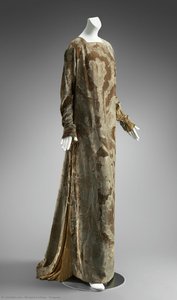
- mariano fortuny: teagown (museum of fine arts, boston, united states), available at ArtsDot's collection.
- marc chagall: study to 'song of songs iv' (naive art / primitivism), available at ArtsDot's collection.
- pablo picasso: clarinet (analytical cubism, oil on canvas), available at ArtsDot's collection.
- vincent van gogh: tree roots (50 x 100 cm, post-impressionism, oil on canvas), available at ArtsDot's collection.
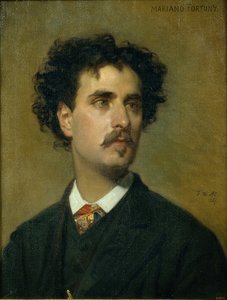
Mariano Fortuny
1871 - 1949 , Spain
Quick Facts
- Artistic Movement Or Style: Orientalism art
- Artists Or Movements Influenced By This Artist: ['Marcel Proust']
- Artists Who Influenced This Artist: ['Richard Wagner']
- Date Of Birth: May 11, 1871
- Date Of Death: May 3, 1949
- Full Name: Mariano Fortuny y Marsal
- Nationality: Spanish
- Notable Artworks:
- Teagown
- Portrait of Henriette Fortuny
- Place Of Birth: Granada, Spain
Related Articles

White on Canvas: 10 Masterpieces & Timeless Elegance for Your Home Decor
Explore 10 iconic white paintings by Monet, Whistler & Rothko! Discover the stories behind these serene masterpieces and their impact on art history. Find museum-quality reproductions for your home decor at .
Mariano Fortuny: A Fusion of Art, Fashion & Design – Exploring a Venetian Innovator's Legacy
Explore the captivating world of Mariano Fortuny – artist, designer & innovator. Discover his revolutionary textiles, iconic Delphos gown, and lasting influence on art, fashion & interiors. A collector's guide to a Venetian master.

Dark Masterpieces: 10 Iconic Paintings Dominated by Black Tones |
Explore 10 iconic paintings dominated by black tones, from Rembrandt’s chiaroscuro to Goya's dark expressions. Discover the stories behind these masterpieces & find museum-quality art reproductions for your home at .

Monochrome Visions: Exploring the Aesthetic & Historical Significance of Black & White Photography
Explore the rich history & artistic power of black and white photography. From early techniques to iconic masters like Ansel Adams, discover why monochrome continues to captivate art lovers today. Expert insights for collectors.
Timeless & Chic: Elevating Your New Home with the Sophistication of Black and White Photography
Transform your new home with the timeless allure of black and white photography. ArtsDot.com specializes in elegant monochrome decor and custom hand-painted wedding portraits that turn cherished milestones into lasting, soulful masterpieces. Elevate your space with ease.