 Preview
 Send
Send Share
Share
 Details

 Download
 Similars
 X-Ray
X-Ray Diaporama
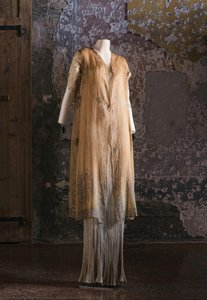
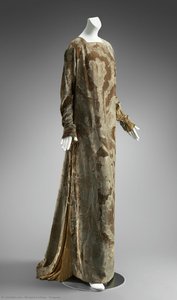
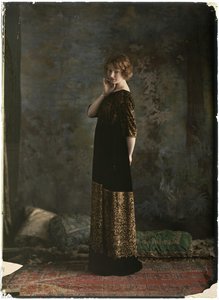
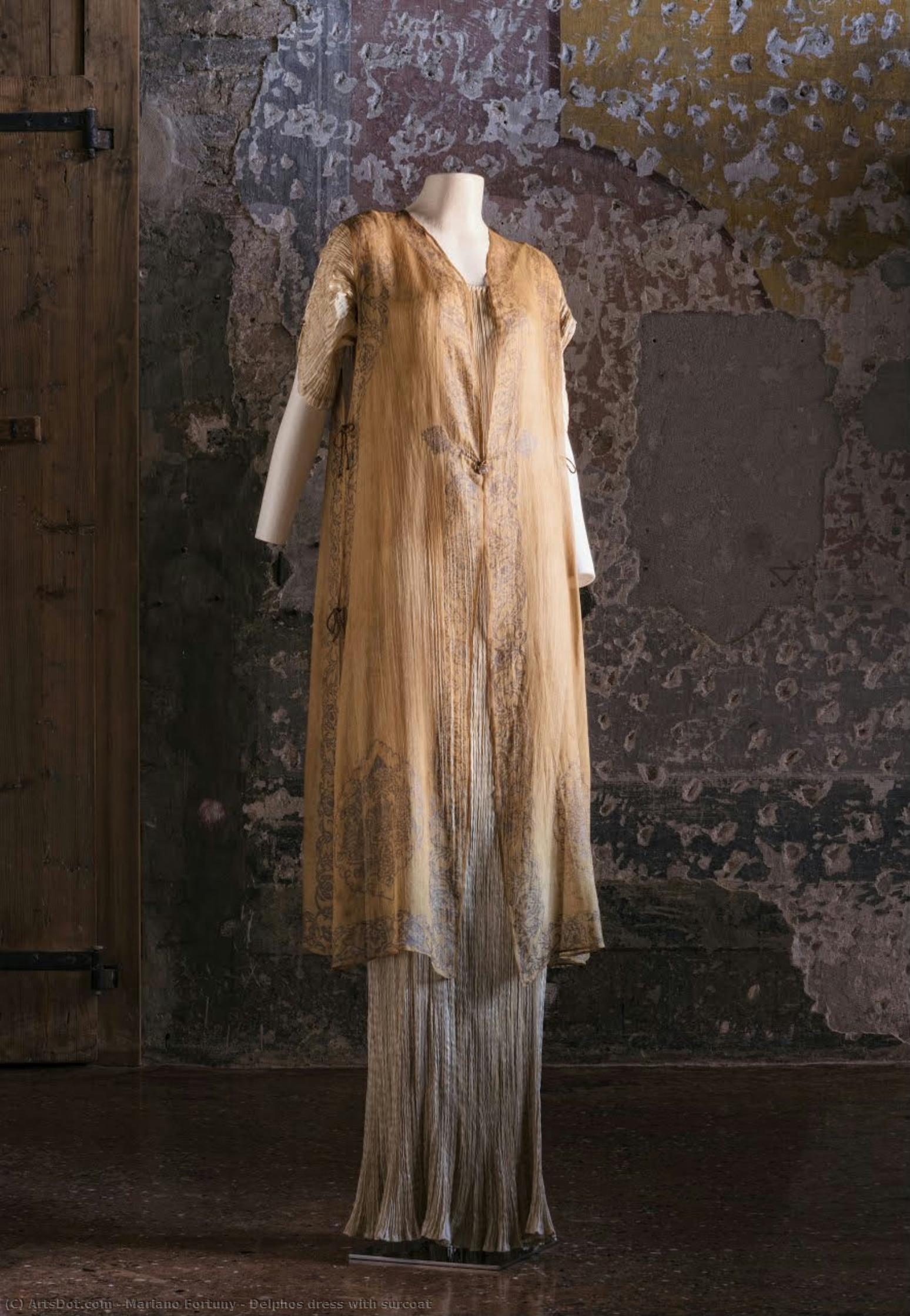
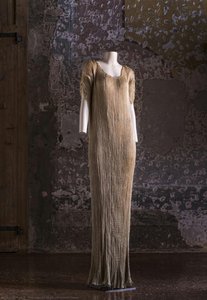
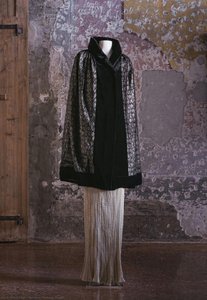
Delphos dress with surcoat


 Read More
Hand Made Oil Reproduction
Hand-painted oil on canvas in your size and frame, made to order by our artists. ( Buy Print Buy Image)




P118B $10

P118H $10

P118W $10

P438Z $10

P508JH $12

P508YH $12

P805H $10

P805Z $10

P919BZ $10

P919G $10

P919XJ $10

P959ZH $10

P968JZ $12

W106C $8

W218G $10

W218JH $8

W218Y $10

W307PJ $10

W316G $10

W316PJ $8

W316Y $10

W398PJ $8

W4111J $10

W500HY $15

W500JH $15

W692G $12

W849H $8

W940BG $15

W953PJ $8




Pick from our preset sizes that match the artwork's original proportions.

You may enter your own dimensions to fit a specific frame or space. If your selected size does not match the original image's proportions, we will either crop the artwork or extend the painting with additional hand-painted elements. A digital mockup will be sent for your approval before production begins.
Please note that the on-screen preview does not reflect the actual cropping or extension. Only the mockup will accurately show the final composition.
While custom sizes are available, we recommend selecting a dimension from the predefined list to preserve the original proportions.
After order, ArtsDot.com team will email client for instructions and provide a mockup preview
Worldwide Delivery () in 3/4 weeks instead of standard 5 weeks. (17 August). No compromise on quality.

Free Worldwide Express Shipping

High-Quality Linen Canvas

Full Shipping Insurance

Customs Tax Refund Guarantee

True Color Matching Guarantee

60-Day Return Policy (Defects Only)

100% Money-Back Guarantee

Bulk Discount Offer
 Glass option is only available in size under 110 CM

Delphos dress with surcoat
Reproduction Medium
Reproduction Size
-


Total Price
$ 263
Artwork Description
The Enigmatic Delphos: Mariano Fortuny’s Vision of Classical Grace
Mariano Fortuny y Madrazo's "Delphos dress with surcoat" isn’t merely a garment; it’s a meticulously crafted illusion, a testament to the Spanish artist’s revolutionary approach to fashion and design. Born in 1871 in Reus, Spain, Fortuny inherited his father’s artistic legacy while simultaneously forging an entirely new path – one that blended historical research, theatrical innovation, and a profound understanding of textiles. This particular piece, created around 1909, embodies the culmination of his lifelong pursuit of creating wearable art, blurring the lines between painting, sculpture, and costume.
Fortuny’s artistic journey began with a fascination for Orientalism, fueled by his travels to Morocco and later influenced by his wife, Cecilia de Madrazo. However, he soon shifted his focus towards recreating the elegance of classical antiquity, particularly the drapery and forms of ancient Greece and Rome. The Delphos dress is a direct homage to this ambition – inspired by the Ionic chiton worn by the Greek sculptor’s namesake, the Auriga, it captures an idealized vision of feminine beauty rooted in historical precedent.
A Symphony of Silk and Illusion
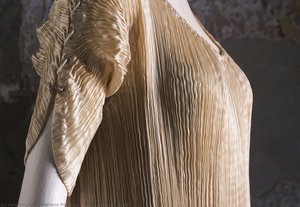
The dress itself is a marvel of technical skill. Constructed primarily from layers of shimmering silk satin or taffeta, Fortuny employed a painstaking pleating technique – reportedly involving up to 450 folds per cloth – to achieve the illusion of flowing drapery. This intricate process created a remarkable sense of volume and movement, mimicking the natural curves of the human body with astonishing precision. The adjustable neckline and sleeves, secured by delicate silk drawstrings adorned with Murano glass beads, further enhanced the dress’s adaptability and luxurious feel.
- Technique: Layered silk pleating – a revolutionary method for creating realistic drapery.
- Materials: Primarily silk satin or taffeta, complemented by Murano glass beads.
- Construction: A complex layering system designed to mimic the folds and textures of classical garments.
Symbolism and Context: A Stage for Ideal Beauty
The Delphos dress wasn’t simply a fashionable garment; it was conceived as part of a larger theatrical vision. Fortuny, a pioneer in stage lighting design, had developed the “fortuny cyclorama dome,” a revolutionary structure that used indirect light to create seamless transitions between scenes in theater productions. This experience profoundly influenced his approach to fashion, leading him to view clothing as a form of wearable stagecraft. The dress itself embodies this philosophy – it’s designed to evoke a sense of drama and timeless elegance, transforming the wearer into a figure from antiquity.
The choice of the Delphos name—referencing Delphi, the ancient sanctuary dedicated to Apollo—underscores Fortuny's desire to connect his creations with classical ideals. The dress represents an aspiration towards beauty, grace, and intellectual refinement – qualities deeply valued in Renaissance and early 20th-century society.
A Legacy of Innovation: Reproductions and Enduring Appeal
Today, the Delphos dress remains one of Mariano Fortuny’s most iconic creations, celebrated for its exquisite craftsmanship and timeless design. ArtsDot offers high-quality reproductions that faithfully capture the original's intricate details and ethereal beauty. Whether displayed as a statement piece in a sophisticated interior or cherished as a collector’s item, this garment continues to inspire admiration for Fortuny’s artistic genius and his ability to transform textile into wearable art.
Related Artworks
Artist Biography
early life and inspiration
mariano fortuny, a spanish fashion designer, was born on may 11, 1871, in granada, spain. his father, mariano fortuny y marsal, was a genre painter who passed away when mariano was just three years old. this event led to the family's move to paris, france, where mariano's mother introduced him to various textiles and fabrics that would later influence his creativity.artistic talents and inventions
mariano fortuny showcased his artistic talents from a young age, demonstrating skills in painting, photography, sculpting, architecture, etching, and theatrical stage lighting. his inventions, including over twenty patented between 1901 and 1934, revolutionized the world of theater design.- he developed the fortuny cyclorama dome, a quarter dome-shaped structure of plaster or cloth, which used indirect lighting to create a seamless transition between scenes.
- his treatise "eclairage scenique" (1904) described his discovery of reflecting light off different surfaces, changing its color, intensity, and properties.
notable contributions and collaborations
mariano fortuny's work gained widespread recognition in the 1920s. he collaborated with notable figures, including:- richard wagner, a german composer, whose operas inspired mariano to paint scenes.
- the famous opera house, la scala of milan, where he installed his dome, adapting it for the larger theater and inventing a suction fan to maintain its taut structure.
legacy and later life
mariano fortuny passed away on may 3, 1949, in venice, italy. his work inspired french novelist marcel proust, and his life was depicted in pere gimferrer's novel "fortuny." mariano's legacy continues to influence the world of theatrical design.- explore more about mariano fortuny's inventions and designs at ArtsDot's collection.
- discover the impact of his work on theatrical lighting in the museum destroyed by fire (united states), a story of an unfortunate event that shaped american art history, available at ArtsDot's blog.
selected paintings by mariano fortuny and other artists
- mariano fortuny: teagown (museum of fine arts, boston, united states), available at ArtsDot's collection.
- marc chagall: study to 'song of songs iv' (naive art / primitivism), available at ArtsDot's collection.
- pablo picasso: clarinet (analytical cubism, oil on canvas), available at ArtsDot's collection.
- vincent van gogh: tree roots (50 x 100 cm, post-impressionism, oil on canvas), available at ArtsDot's collection.
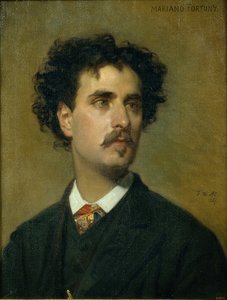
Mariano Fortuny
1871 - 1949 , Spain
Quick Facts
- Artistic Movement Or Style: Orientalism art
- Artists Or Movements Influenced By This Artist: ['Marcel Proust']
- Artists Who Influenced This Artist: ['Richard Wagner']
- Date Of Birth: May 11, 1871
- Date Of Death: May 3, 1949
- Full Name: Mariano Fortuny y Marsal
- Nationality: Spanish
- Notable Artworks:
- Teagown
- Portrait of Henriette Fortuny
- Place Of Birth: Granada, Spain
Related Articles
Mariano Fortuny: A Fusion of Art, Fashion & Design – Exploring a Venetian Innovator's Legacy
Explore the captivating world of Mariano Fortuny – artist, designer & innovator. Discover his revolutionary textiles, iconic Delphos gown, and lasting influence on art, fashion & interiors. A collector's guide to a Venetian master.
Draped Narratives: Fashion as Symbol & Subject in Historical Art
Explore the fascinating history of fashion as a symbol of power & status in art! Discover masterpieces from Gainsborough to Tissot and learn how clothing shaped societal narratives. Find museum-quality reproductions at ArtsDot.
Crimson Threads of Narrative: Exploring Symbolism & Representation in Artworks Featuring the Red Dress
Explore the rich symbolism of the red dress in art history! From ancient power displays to iconic portraits like Cézanne’s 'Madame Cezanne', discover the cultural and artistic significance behind this captivating color. Expert analysis & insights.

Jacopo Tintoretto's Masterpieces: 25 Paintings That Define Venetian Drama | ArtsDot
Explore 25 breathtaking masterpieces by Jacopo Tintoretto, the Venetian master of drama and light. Discover the stories behind iconic Renaissance paintings & find museum-quality art reproductions to elevate your home decor on ArtsDot.com.
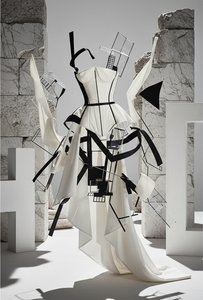
Gianfranco Ferré: Deconstructing Haute Couture – A Legacy of Architectural Form
Explore the revolutionary world of Gianfranco Ferré, 'the architect of fashion.' Discover his architectural approach to haute couture, iconic Dior designs, and lasting influence on luxury style. A deep dive for collectors & enthusiasts.