 Preview
 Send
Send Share
Share
 Details

 Download
 Similars
 X-Ray
X-Ray Diaporama
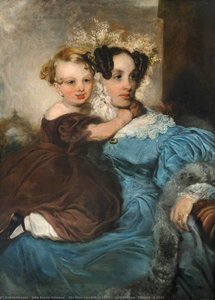
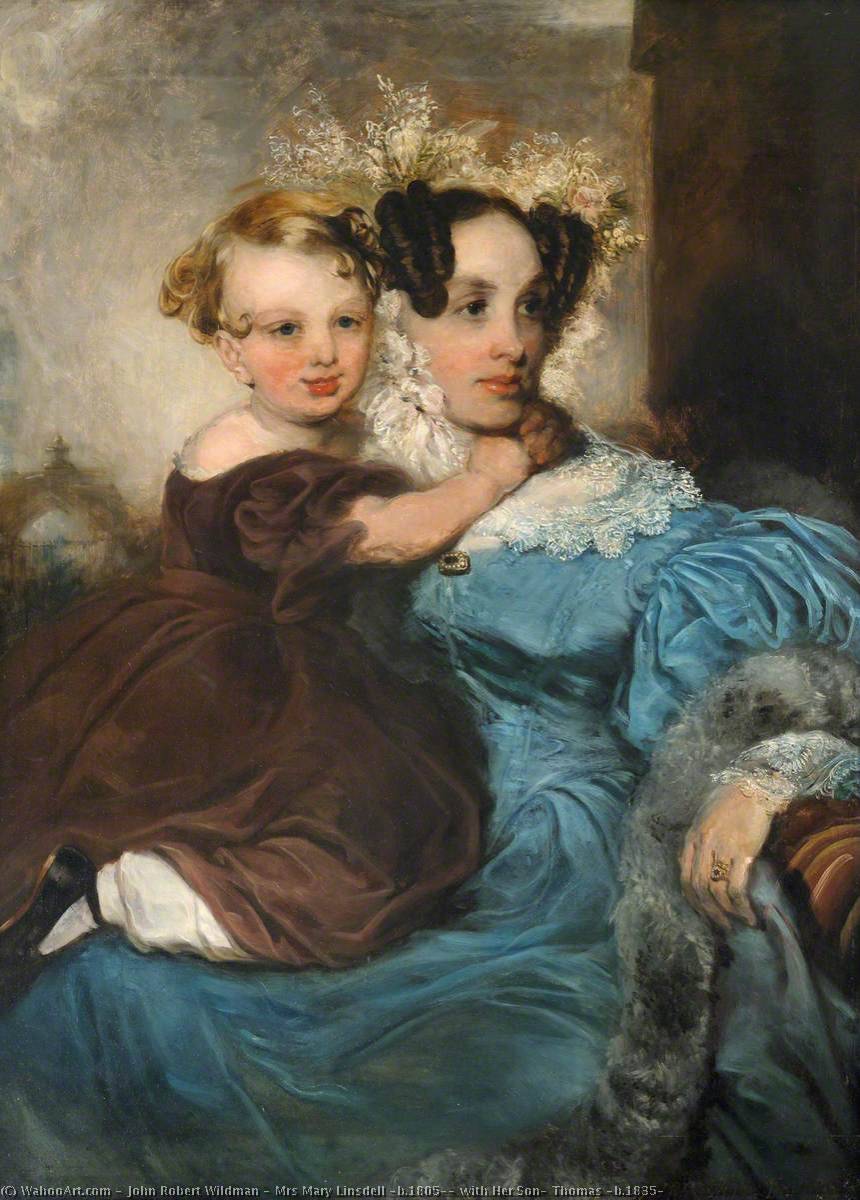
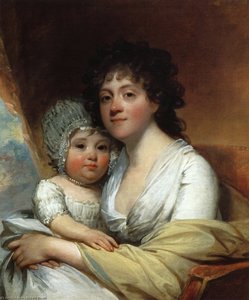
Mrs Mary Linsdell (b.1805), with Her Son, Thomas (b.1835)
 1837
1837 90.0 x 70.0 cm
 Read More
Hand Made Oil Reproduction
Hand-painted oil on canvas in your size and frame, made to order by our artists. ( Buy Print Buy Image)




































Pick from our preset sizes that match the artwork's original proportions.

You may enter your own dimensions to fit a specific frame or space. If your selected size does not match the original image's proportions, we will either crop the artwork or extend the painting with additional hand-painted elements. A digital mockup will be sent for your approval before production begins.
Please note that the on-screen preview does not reflect the actual cropping or extension. Only the mockup will accurately show the final composition.
While custom sizes are available, we recommend selecting a dimension from the predefined list to preserve the original proportions.
After order, ArtsDot.com team will email client for instructions and provide a mockup preview
Worldwide Delivery () in 3/4 weeks instead of standard 5 weeks. (24 August). No compromise on quality.

Free Worldwide Express Shipping

High-Quality Linen Canvas

Full Shipping Insurance

Customs Tax Refund Guarantee

True Color Matching Guarantee

60-Day Return Policy (Defects Only)

100% Money-Back Guarantee

Bulk Discount Offer
 Glass option is only available in size under 110 CM

Mrs Mary Linsdell (b.1805), with Her Son, Thomas (b.1835)
Reproduction Medium
Reproduction Size
-


Total Price
$ 263
Related Artworks








Artist Biography
The Soul of the Portrait: The Life and Legacy of John Robert Wildman
In the flickering candlelight of the early nineteenth century, a period defined by the sweeping emotional tides of Romanticism and the disciplined rigor of Academic realism, the work of John Robert Wildman emerged as a profound testament to human character. Born in Lambeth, London, on August 22, 1788, to an artist father and Harriet Williamson, Wildman was immersed in the language of aesthetics from his very first breaths. While some accounts suggest a formative education rooted in classical studies at Cambridge, his true apprenticeship began within the intimate confines of his family’s artistic practice. This early exposure allowed him to develop a keen eye for the subtle nuances of light and shadow, a skill that would later define his reputation as one of Britain's most evocative portraitists.
Wildman’s artistic journey was not merely a solitary pursuit but a navigation through the most vibrant intellectual circles of his era. His development was marked by a fascinating stylistic evolution; he began with an expressive, almost turbulent brushwork reminiscent of the Romantic masters, yet he possessed the discipline to refine his technique toward a more precise, anatomical accuracy. This transition allowed him to capture not just the likeness of his subjects, and their social standing, but the very essence of their interior lives. His ability to blend dramatic lighting with meticulous detail created a sense of presence that made his portraits feel less like static images and more like living encounters.
A Career of Distinction and Royal Recognition
As the 1820s dawned, Wildman’s reputation ascended through the prestigious halls of the British art establishment. His debut at the Royal Academy in 1823 was followed by consistent and celebrated contributions to the British Institution and the Society of British Artists. He moved within a sphere of profound influence, famously capturing scenes that brought together the titans of his age—most notably a poignant depiction of the Yorkshire landowner Walter Fawkes accompanied by a stout, contemplative J.M.W. Turner at Farnley Hall. Such works demonstrate his ability to weave historical narrative with portraiture, situating his subjects within the broader tapestry of British landscape and social history.
The pinnacle of his professional achievement arrived in 1841, when he received a prestigious Royal commission to paint Prince Albert. This moment of supreme validation placed Wildman at the very heart of the Victorian social hierarchy. His studio, located in areas such as Mile End and later Stepney, became a site of significant artistic production, where he worked on numerous engravings that were widely disseminated through various publishers, ensuring his visual style reached far beyond the elite galleries and into the homes of the burgeoning middle class.
Tragedy and the Final Act
Yet, the brilliance of Wildman’s career was shadowed by profound personal hardship. The mid-1840s brought a series of devastating blows that would ultimately silence his brush. The sudden death of his wife, Elizabeth, in 1842 left him to navigate the immense responsibility of raising six children alone, amidst a period of declining health. As his physical strength waned and his financial resources were exhausted, the once-celebrated artist found himself the subject of a public plea for philanthropy published in the Art Union Journal. The tragedy of his situation—a man of great talent rendered incapable of pursuing his profession by "general debility"—resonated deeply with the public of his time.
John Robert Wildman passed away in Bath General Hospital on May 21, 1843. Though his life ended in a state of extreme hardship, his contribution to British art remains indelible. His legacy is found in:
- The Bridge Between Eras: His unique ability to synthesize the emotional intensity of Romanticism with the structural precision of Academic realism.
- Historical Documentation: His portraits serve as vital visual records of notable 19th-century figures, from political landowners to royalty.
- Technical Mastery: The enduring quality of his use of light and texture, which continues to captivate collectors of fine historical art.
Today, when we gaze upon the works of Wildman, we do not merely see faces of a bygone era; we witness the triumph of an artist who sought to capture the eternal spark of humanity amidst the fleeting shadows of history.
Quick Facts
- Artistic Movement Or Style: Academic Realism
- Artists Or Movements Influenced By This Artist: ['Robert Henri']
- Artists Who Influenced This Artist: ['Charles Robert Leslie']
- Date Of Death: June 2, 1693
- Full Name: John Robert Wildman
- Nationality: English
- Notable Artworks: ['Major Wildman']
- Place Of Birth: Wymondham, Norfolk