 Preview
 Send
Send Share
Share
 Details

 Download
 Similars
 X-Ray
X-Ray Diaporama
 Stats
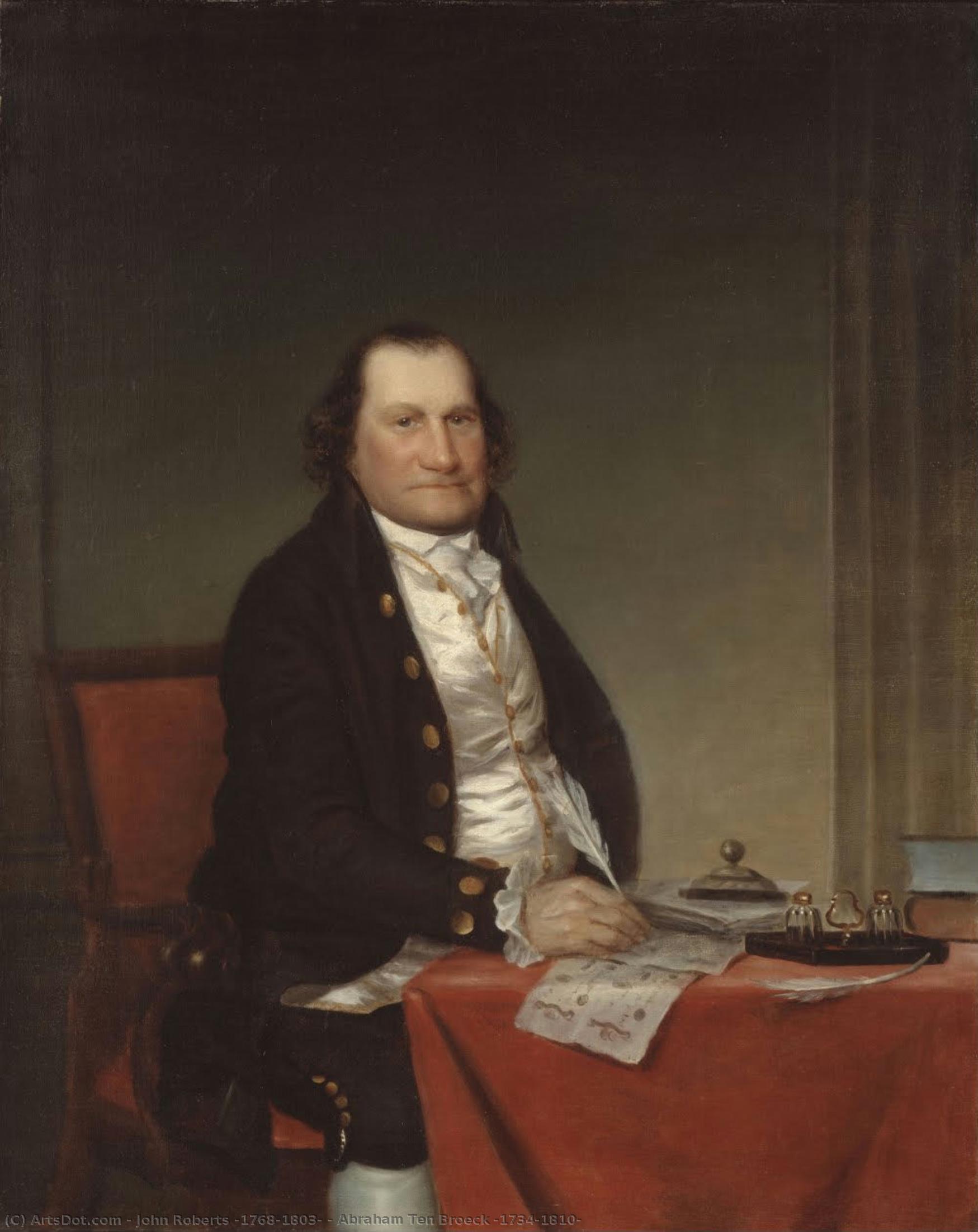
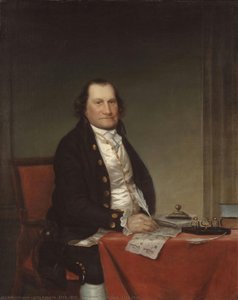
StatsAbraham Ten Broeck (1734-1810)


 Read More
Hand Made Oil Reproduction
Hand-painted oil on canvas in your size and frame, made to order by our artists. ( Switch to Print Switch to Digital Image)




































Pick from our preset sizes that match the artwork's original proportions.

You may enter your own dimensions to fit a specific frame or space. If your selected size does not match the original image's proportions, we will either crop the artwork or extend the painting with additional hand-painted elements. A digital mockup will be sent for your approval before production begins.
Please note that the on-screen preview does not reflect the actual cropping or extension. Only the mockup will accurately show the final composition.
While custom sizes are available, we recommend selecting a dimension from the predefined list to preserve the original proportions.
After order, ArtsDot.com team will email client for instructions and provide a mockup preview
Worldwide Delivery () in 3/4 weeks instead of standard 5 weeks. (10 September). No compromise on quality.

Free Worldwide Express Shipping

High-Quality Linen Canvas

Full Shipping Insurance

Customs Tax Refund Guarantee

True Color Matching Guarantee

100-Day Return Policy (Defects Only)

100% Money-Back Guarantee

Bulk Discount Offer
 Glass option is only available in size under 110 CM

Abraham Ten Broeck (1734-1810)
Reproduction Medium
Reproduction Size
-


Total Price
$ 263
Related Artworks








Artist Biography
A Fleeting Glimpse: The Life and Art of John Roberts
The name John Roberts, born in the United Kingdom in 1768 and lost to time in 1803, resonates as a whisper within the annals of British portraiture. His life, though tragically short, left behind a small but compelling body of work—primarily miniature portraits that offer a fascinating window into the social fabric of the late 18th century. Roberts’s story is one pieced together from advertisements, auction records, and the enduring quality of his paintings, revealing an artist who navigated a dynamic period with skill and ambition.
Born in Dumfriesshire, Scotland, Roberts embarked on a journey that led him across the Atlantic to New York City in 1793. This relocation marked not merely a change of geography but a deliberate pursuit of artistic opportunity. While many artists settled into established centers, Roberts proved remarkably itinerant for the time, advertising his services as a miniature painter in a succession of bustling American cities: Philadelphia (1796), Charleston (late 1796), Newburyport, Massachusetts (1800-1801), Portsmouth, New Hampshire (1801), Portland, Maine (1802), Augusta, Maine (1802), and again in Portland (1803). Remarkably, even during these travels, he maintained a residence in New York City. This pattern suggests a strategic approach—a network of commissions built through consistent presence and skillful self-promotion.
The Miniature Portrait as Social Record
Roberts’s chosen medium, the miniature portrait, was ideally suited to the tastes of the burgeoning American middle class. These small, intimate paintings were not simply likenesses; they were statements of status, emblems of affection, and portable mementos in an era before widespread photography. His subjects often included members of the merchant marine—ship’s captains, as evidenced by a particularly striking portrait of a captain wearing a navy blue double-breasted coat with silver buttons. The detail in these works is telling: the precise rendering of fabric, the subtle expressions captured on faces, and the inclusion of identifying details like initials (“S S” engraved on the reverse of one miniature) all speak to Roberts’s commitment to capturing not just appearance but also a sense of individual character.
Beyond Painting: An Engraver's Skill
The narrative surrounding Roberts takes an intriguing turn when considering his listing in New York City directories. He wasn’t consistently identified as a miniature painter, but rather as an engraver. This revelation suggests that painting may have been a secondary pursuit—a way to supplement his income or perhaps a specialized skill offered alongside his primary profession. Indeed, records indicate he was well-known for engraved prints used to illustrate books, particularly educational and literary works. He also created copies of portraits by other artists, including a rare engraving of George Washington based on a miniature by Benjamin Trott. This duality—painter and engraver—highlights a versatility that was common among artists of the period but often overlooked in modern scholarship.
Style and Influences
Pinpointing Roberts’s stylistic influences is challenging given the limited number of attributed works. However, his portraits exhibit a clear debt to English portrait traditions, particularly those associated with the Norwich School of painters—artists like John Crome who emphasized realism and attention to detail. His work shares a similar sensibility: a focus on capturing the essence of the sitter rather than adhering to rigid academic conventions. The use of watercolor on ivory lends a delicate luminosity to his paintings, while the gilt metal cases often employed for miniatures added an element of refinement and luxury.
A Legacy in Miniature
John Roberts’s untimely death in 1803 cut short a promising career. While he may not be a household name, his surviving portraits offer valuable insights into the lives and aspirations of those who commissioned them. His work stands as a testament to the skill and artistry of itinerant painters who played a crucial role in shaping the visual culture of early America. The rediscovery of his paintings—through auction records, museum collections, and private sales—continues to shed light on this fascinating artist and his place within the broader history of British and American portraiture.
john roberts (1768-1803)
1768 - 1803 , United Kingdom
Quick Facts
- Artistic Movement Or Style: Oil on canvas
- Date Of Birth: 1768
- Date Of Death: 1803
- Full Name: John Roberts
- Nationality: British
- Notable Artworks: ['Abraham Ten Broeck 1734-1810, 1800']
- Place Of Birth: United Kingdom