 Preview
 Send
Send Share
Share
 Details

 Download
 Similars
 X-Ray
X-Ray Diaporama
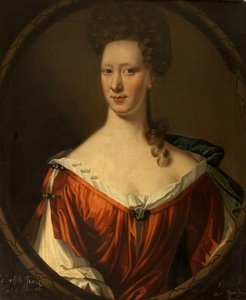
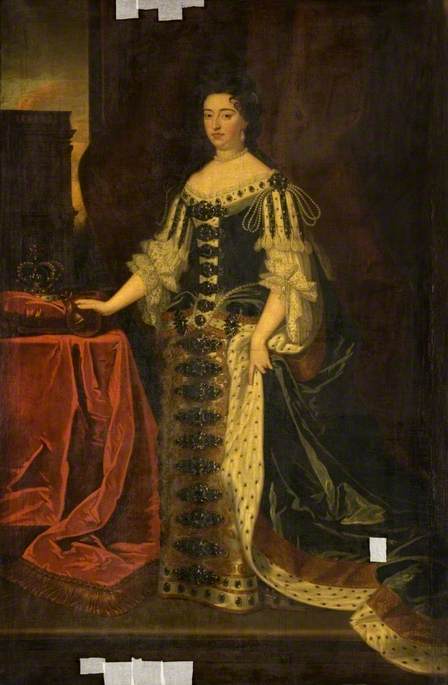
Mary II (1662–1694)
 1708
1708 239.0 x 157.0 cm
 Read More
Hand Made Oil Reproduction
Hand-painted oil on canvas in your size and frame, made to order by our artists. ( Buy Print Buy Image)




































Pick from our preset sizes that match the artwork's original proportions.

You may enter your own dimensions to fit a specific frame or space. If your selected size does not match the original image's proportions, we will either crop the artwork or extend the painting with additional hand-painted elements. A digital mockup will be sent for your approval before production begins.
Please note that the on-screen preview does not reflect the actual cropping or extension. Only the mockup will accurately show the final composition.
While custom sizes are available, we recommend selecting a dimension from the predefined list to preserve the original proportions.
After order, ArtsDot.com team will email client for instructions and provide a mockup preview
Worldwide Delivery () in 3/4 weeks instead of standard 5 weeks. (23 August). No compromise on quality.

Free Worldwide Express Shipping

High-Quality Linen Canvas

Full Shipping Insurance

Customs Tax Refund Guarantee

True Color Matching Guarantee

60-Day Return Policy (Defects Only)

100% Money-Back Guarantee

Bulk Discount Offer
 Glass option is only available in size under 110 CM

Mary II (1662–1694)
Reproduction Medium
Reproduction Size
-


Total Price
$ 263
Related Artworks










Artist Biography
A Legacy of Faith and Form: The Life of John Scougal
In the vibrant, often turbulent artistic landscape of 17th-century Scotland, few figures embody the intersection of spiritual devotion and classical mastery as poignantly as John Scougal. Born around 1645 in Haddingtonshire, a region now known as East Lothian, Scougal emerged during an era defined by both fervent religious conviction and the burgeoning light of scientific inquiry. His life was deeply intertwined with the ecclesiastical fabric of his nation; he was the cousin of Patrick Scougal, the influential Bishop of Aberdeen, a relationship that likely provided him with early exposure to the profound dignity of religious iconography. While history occasionally places him in the shadow of later luminaries like Allan Ramsay, Scougal’s work remains a vital testament to a period where the brush was used as much to honor the divine as it was to capture the earthly splendor of the Scottish aristocracy.
Scougal’s early years were steeped in the Presbyterian piety of his father, Sir John Scougal of Scougal. This foundation of faith would later manifest in his canvases through a remarkable sensitivity to biblical narratives. His education at Edinburgh University further refined his intellect, grounding him in humanist scholarship and exposing him to the timeless masters of the Renaissance. The works of Michelangelo Buonarroti and Raphael served as profound inspirations, teaching him the essential principles of anatomy, perspective, and the delicate balance of disegno. Through diligent study, he mastered the art of chiaroscuro, using the dramatic interplay of light and shadow to breathe life into his subjects and imbue his religious scenes—particularly those depicting Christ’s Passion—with a haunting, symbolic resonance.
The Art of Portraiture and the Baroque Spirit
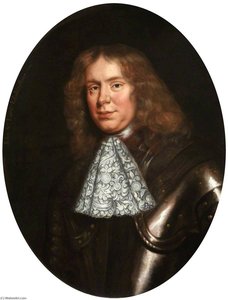
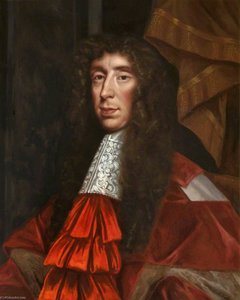
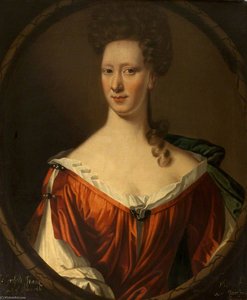
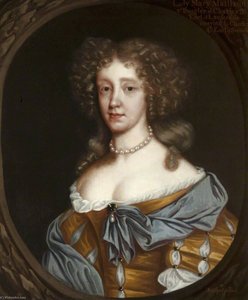
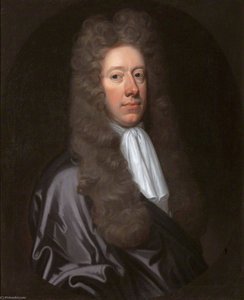
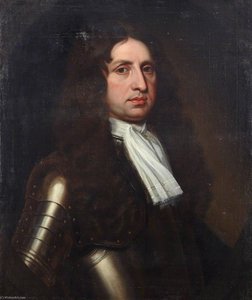
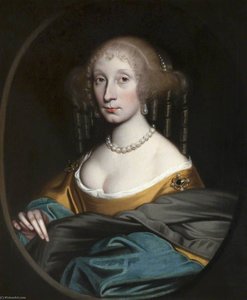
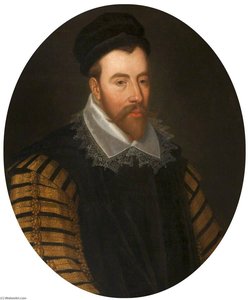
Beyond the sacred realms of biblical storytelling, Scougal established himself as a formidable portraitist, capturing the essence of the Scottish and English elite with a sophisticated Baroque sensibility. His studio, located in a house he had expanded in Edinburgh near the Advocates' Close, became a hub of artistic activity. In these portraits, one observes a meticulous attention to detail and an ability to convey status through opulent textures and commanding presence. His technique often drew comparisons to the legendary Van Dyke, particularly in his depictions of royalty; his portrait of Queen Mary is celebrated for its superior draftsmanship and rich, evocative coloring.
Scougal’s professional reach extended far beyond the borders of Edinburgh, as evidenced by his commissions for prestigious institutions and noble families. His notable achievements include:
- Royal Commissions: The creation of full-length portraits of William III, Queen Mary, and Queen Anne, which found a home in the City of Glasgow collection.
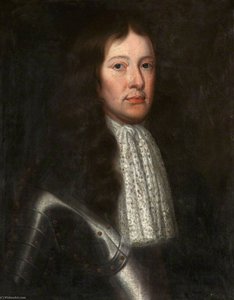
- Aristocratic Documentation: Masterful depictions of the Scottish nobility, such as John, 2nd Earl of Traquair and Sir Patrick Home of Lumsden, characterized by dramatic lighting and historical grandeur.
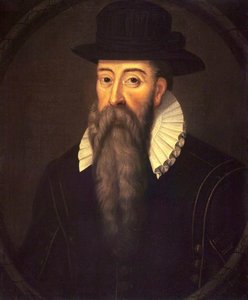
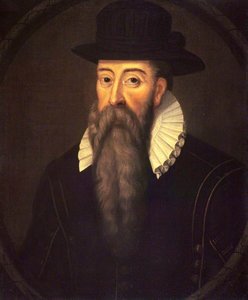
- Civic Contributions: His work for the Town Hall in Leith and his copies of significant works, such as the portrait of George Heriot, which helped preserve the visual history of Scottish institutions.
As his career progressed, Scougal’s prolific output occasionally led to a more hurried execution, a trait visible in some of his later copies. Yet, even in these moments, the fundamental strength of his composition and his ability to capture the solemn dignity of his subjects remained undiminished. He lived to the venerable age of eighty-five, passing away at Prestonpans in 1730, leaving behind a legacy that bridged the gap between the intense religious fervor of the mid-17th century and the more refined, classical aesthetics of the early 18th century. Through his hands, the spiritual and the secular were woven into a singular, enduring tapestry of Scottish art.
john scougal
1645 - 1730
Quick Facts
- Artistic Movement Or Style: Early Modern Art
- Artists Who Influenced This Artist:
- Paul van Somer
- Van Dyke
- Date Of Death: 1730
- Full Name: John Scougal
- Nationality: Scottish
- Notable Artworks:
- Portrait of Elizabeth Lauder
- Portrait of Richard Lauder
- Portrait of Archibald Primrose
- Portrait of George Heriot
- Portrait of Lady Jean Mackenzie
- Portrait of John Drummond
- On the Thames at Westminster
- Portrait of a gentleman, quarter-length, in a white shirt and brown wrap
- Portrait of a gentleman, half-length, in armour with a white jabot
- Place Of Birth: Leith, Scotland