

 Preview
 Send
Send Share
Share
 Details

 Download
 Similars
 X-Ray
X-Ray Diaporama
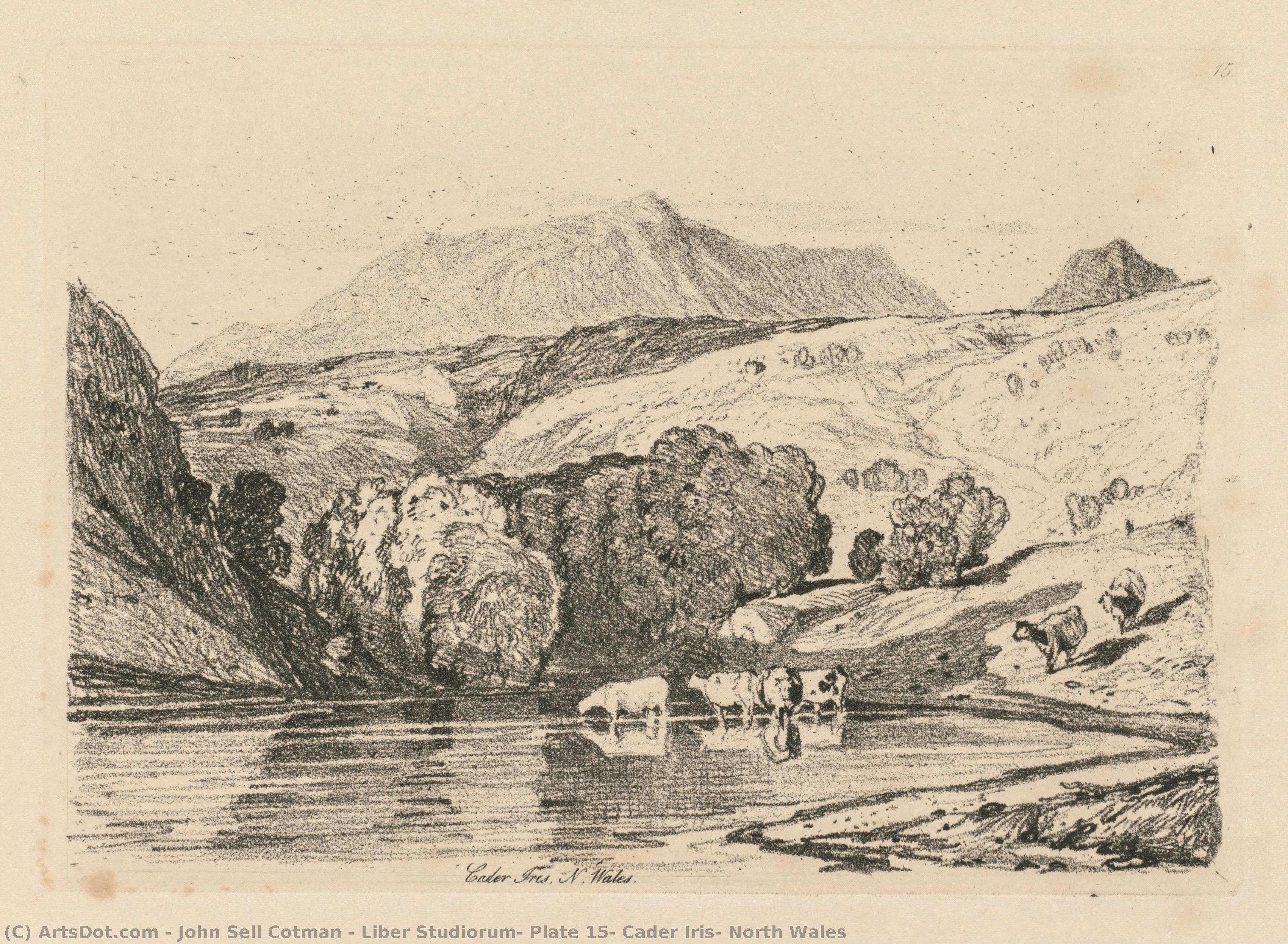
Liber Studiorum: Plate 15, Cader Iris, North Wales
 Etching
- Romanticism
 1838
1838 49.0 x 32.0 cm
 Cleveland Museum of Art
 Read More
Purchase a high-resolution, enhanced digital image, far superior to the online preview.
Each file is meticulously prepared by our in-house specialists using advanced tools and expert manual retouching. We ensure every image has exceptional clarity, precise color accuracy, and fine detail.
The final file is delivered via email within 72 hours, optimized for immediate use in professional, editorial, and print environments. This is the same quality trusted by top-tier design studios, publishers, and galleries.
Digital Image
Download a high-resolution file for personal display, printing, and creative projects. ( Buy Print Buy Hand Made Painting)
Included in Every Digital Image Order
Expert Digital Delivery, Guaranteed
When you choose ArtsDot.com, you're not just getting an image - you're receiving a professionally enhanced digital artwork, crafted with precision and backed by a satisfaction guarantee. Here's everything that comes with your order, automatically:

Fast Email Delivery
Your high-resolution digital image file will be emailed to you within 72 hours of ordering - ready for immediate use.

AI-Enhanced Digital File
Your artwork is professionally optimized using advanced AI tools and manual editing, ensuring maximum detail, clarity, and color accuracy.

Free Lifetime Re-Delivery
Accidentally deleted or lost your file? No worries - we'll resend it to you anytime, free of charge.

No Import Fees - Ever
Enjoy your artwork instantly with zero customs, duties, or delivery fees - digital downloads are always tax-free.

Color Accuracy Guarantee
We ensure your digital image reflects the original colors as closely as possible using professional tools and color management.

60-Day Satisfaction Guarantee
If you're not satisfied with your digital image, we'll revise it or refund 100% within 60 days - no questions asked.

100% Money-Back Guarantee
Not satisfied? Get a full refund within 60 days of receiving your digital file - no questions asked.

Bulk Order Discounts
Buy 3 images, save 10% - Buy 5, save 15% - Buy 10+, save 20%. Great for creative projects, galleries, and agencies.
Collectible Description
Liber Studiorum: Plate 15, Cader Iris, North Wales – A Romantic Vision
- John Sell Cotman’s “Liber Studiorum: Plate 15, Cader Iris, North Wales” (1838) is more than a simple depiction of a Welsh landscape; it's a meticulously crafted embodiment of the Romantic sensibility. Executed as a black and white etching, this plate from the renowned ‘Liber Studiorum’ series reveals Cotman’s profound connection to the natural world and his mastery of tonal manipulation – a hallmark of his artistic practice. The scene unfolds within the dramatic folds of Cader Idris, a mountain range in North Wales, instantly transporting the viewer to a place of rugged beauty and untamed power.
- The composition itself is carefully considered. The placement of the cows grazing near the river’s edge, coupled with the two horses strategically positioned along the scene's periphery, subtly directs the eye across the textured landscape. Cotman wasn't merely recording a view; he was orchestrating an experience for the viewer, inviting contemplation and a sense of awe.
Technique and Style: The Language of Etching
A Masterful Approach to Tonal Variation: Cotman’s skill as an etcher is immediately apparent. He employs a delicate yet powerful technique, building up layers of ink through multiple passes over the plate. This process allows for an extraordinary range of tonal values – from the deepest blacks in the shadowed valleys to the subtle grays that define the distant mountains. The resulting image possesses a remarkable depth and atmospheric perspective, characteristic of Romantic landscape painting. His use of drypoint creates a rich, velvety texture that adds considerable visual interest.- Drypoint Technique: Cotman’s favored method involved scratching the surface of the plate with a needle, creating delicate lines and textures. This technique is particularly effective in rendering the rough contours of the mountains and the flowing movement of the river.
- Multi-Pass Etching: The creation of this image required numerous passes over the etched plate, building up layers of ink to achieve the desired tonal range. This painstaking process demanded patience and precision – qualities that were central to Cotman’s artistic philosophy.
Historical Context & Symbolism
Romantic Landscape and Social Commentary
The ‘Liber Studiorum’ Project: This plate originates from the ‘Liber Studiorum,’ a large-scale project initiated by Sir Thomas Lawrence, President of the Royal Academy in London. The aim was to create a comprehensive collection of etched studies – essentially preparatory drawings – that would serve as models for aspiring artists. However, Cotman's work transcends mere technical study; it embodies the core tenets of Romanticism.- Romantic Ideals: The scene reflects the Romantic fascination with untamed nature, sublime landscapes, and the power of human emotion in response to them.
- Rural Life & Industry: The presence of livestock and people engaged in rural activities subtly alludes to the importance of agriculture and traditional livelihoods – themes frequently explored by artists of the period.
- North Wales Connection: Cotman’s formative experiences in North Wales, particularly his sketching excursions with Girtin, profoundly shaped his artistic vision. The rugged beauty of Cader Idris became a recurring subject in his work, symbolizing both natural grandeur and personal reflection.
Emotional Impact & Artistic Legacy
A Timeless Appeal: “Liber Studiorum: Plate 15, Cader Iris, North Wales” possesses an enduring appeal that resonates with viewers today. The image evokes a sense of tranquility, solitude, and connection to the natural world – emotions that were central to the Romantic movement. Cotman’s masterful handling of light and shadow, combined with his evocative composition, creates a scene that is both visually stunning and deeply moving. This reproduction offers an exceptional opportunity to own a piece of art history, capturing the spirit of one of Britain's most celebrated landscape artists.Related Artworks
Artist Biography
A Norfolk Son: The Life and Art of John Sell Cotman
John Sell Cotman, a name synonymous with the evocative landscapes and maritime scenes of early 19th-century England, emerged from the thriving artistic community of Norwich to become a pivotal figure in British Romanticism. Born on May 16, 1782, into a family engaged in the prosperous trades of silk merchantry and lace dealing, Cotman’s path wasn't immediately destined for artistry. Yet, an innate sensitivity to the natural world and a burgeoning talent quickly steered him away from commerce and toward a life dedicated to capturing its beauty on canvas and paper. His early education at Norwich Grammar School provided a foundation, but it was his move to London in 1798 that truly ignited his artistic journey. There, he encountered the luminaries of the era – J.M.W. Turner, Peter de Wint, and Thomas Girtin – joining Girtin’s sketching club and embarking on formative excursions to Wales and Surrey. These experiences were transformative, instilling in him a passion for *plein air* observation and a dedication to translating fleeting impressions into enduring works of art. His debut at the Royal Academy in 1800, with scenes of Surrey and Harlech Castle, signaled the arrival of a significant new voice within the British art scene.
The Norwich School and Artistic Development
Cotman’s artistic identity became inextricably linked to the Norwich School, a group of painters who celebrated the distinctive character of the Norfolk countryside. Unlike many of their contemporaries preoccupied with grand historical narratives or idealized classical forms, the Norwich School artists focused on depicting the local landscape with realism and sensitivity. Cotman quickly rose as one of its leading figures, developing a style characterized by masterful watercolor technique, meticulous attention to detail, and a uniquely Romantic sensibility. He possessed an exceptional ability to utilize washes and dry brushstrokes to create atmospheric effects, capturing subtle nuances of light and color that imbued his landscapes with a sense of tranquility and mood. His etchings and illustrations further demonstrated his versatility and commitment to documenting the world around him. While grounded in observation, Cotman’s work often transcended mere representation, evoking feelings of melancholy, awe, or quiet contemplation through carefully constructed compositions and evocative perspectives. He wasn't simply recording what he saw; he was interpreting it through a lens of poetic feeling.
A Master of Mediums: Watercolor, Etching, and Beyond
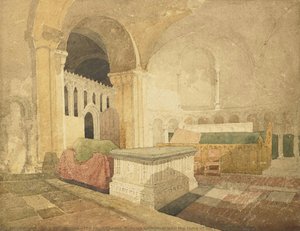
Cotman’s artistic output spanned a diverse range of mediums, but he is perhaps best known for his watercolor paintings. He elevated the medium to new heights, demonstrating its potential for expressive depth and atmospheric nuance. His watercolors are not merely sketches or studies; they are finished works of art that possess a remarkable sense of completeness. Beyond watercolor, Cotman was a prolific etcher, producing hundreds of plates that showcase his skill in line and tone. These etchings often served as preparatory studies for his paintings, but many stand on their own as compelling works of art. He also engaged in illustration, contributing to various publications with detailed and accurate depictions of architectural subjects and landscapes. This commitment to diverse artistic pursuits underscores his dedication to both technical mastery and a comprehensive exploration of the visual world. Notable examples include “The Jesus Chapel, Norwich Cathedral with the tomb of Sir Thomas Windham,” a quintessential example of the Norwich School’s style, and "View From Yarmouth Bridge, Norfolk, Looking Towards Breydon, Just After Sunset," which beautifully captures the charm of maritime life.
Legacy and Influence
John Sell Cotman's influence extended far beyond his own prolific output. He played a crucial role in shaping the development of British art, particularly within the context of the Norwich School movement. His emphasis on direct observation, atmospheric effects, and emotional resonance resonated with subsequent generations of artists. Furthermore, his dedication to teaching ensured that his artistic principles were passed down to a new cohort of painters. Both of his sons, Miles Edmund Cotman and John Joseph Cotman, followed in their father’s footsteps, contributing to the family's enduring legacy within the art world. Today, Cotman’s works are held in prestigious collections worldwide, including the Tate Gallery, the British Museum, the Victoria and Albert Museum, and the Yale Center for British Art. His paintings continue to captivate viewers with their beauty, sensitivity, and profound connection to the natural world. He remains a celebrated figure, not only as a master of watercolor and etching but also as a key representative of the Romantic spirit in English art. His dedication to capturing the essence of place and emotion ensures his enduring relevance for generations to come.
Further Exploration
- To delve deeper into Cotman’s life and work, visit ArtsDot.com or consult his Wikipedia page: https://en.wikipedia.org/wiki/John_Sell_Cotman
- Explore the extensive collection of Cotman’s works at the Castle Museum and Art Gallery in Norwich, boasting over 2000 pieces.
- Discover more about the Norwich School of painters and their contribution to British art history.
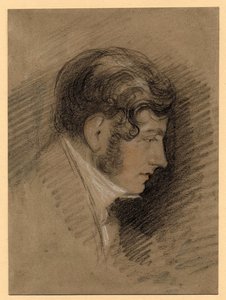
John Sell Cotman
1782 - 1842 , United Kingdom
Quick Facts
- Artistic Movement Or Style: Norwich School, Romanticism
- Artists Or Movements Influenced By This Artist:
- Norwich School painters
- Miles Edmund Cotman
- John Joseph Cotman
- Artists Who Influenced This Artist:
- J.M.W. Turner
- Peter de Wint
- Thomas Girtin
- Date Of Birth: May 16, 1782
- Date Of Death: 1842
- Full Name: John Sell Cotman
- Nationality: British
- Notable Artworks:
- Jesus Chapel, Norwich Cathedral
- View From Yarmouth Bridge
- Saint James Of Compostela
- An Old House At St Albans
- Drainage Mills In The Fens
- Place Of Birth: Norwich, UK

