 Preview
 Send
Send Share
Share
 Details

 Download
 Similars
 X-Ray
X-Ray Diaporama
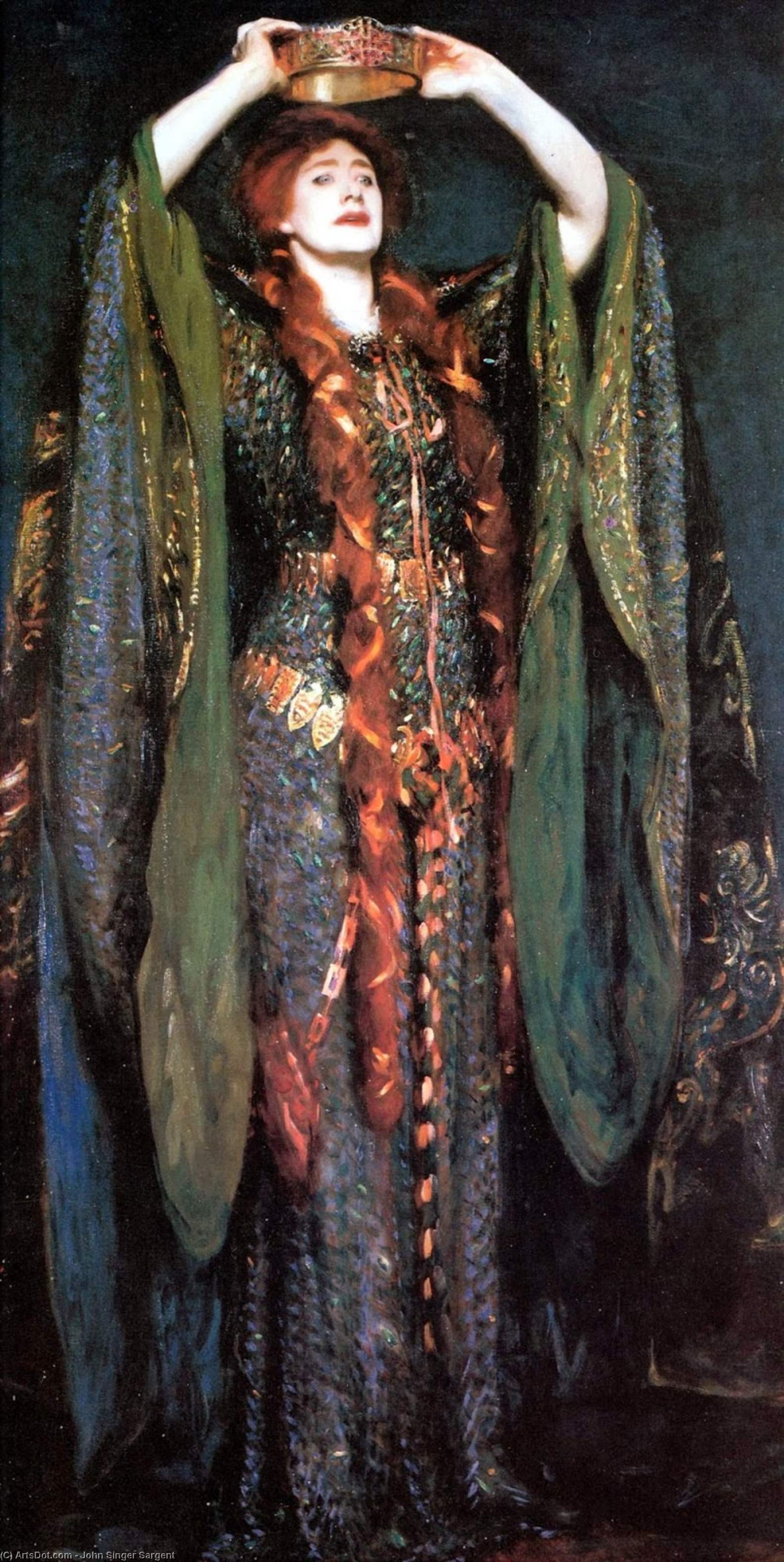
Miss Ellen Terry as Lady Macbeth


 Read More
Hand Made Oil Reproduction
Hand-painted oil on canvas in your size and frame, made to order by our artists. ( Buy Print Buy Image)




P118B $10

P118H $10

P118W $10

P438Z $10

P508JH $12

P508YH $12

P805H $10

P805Z $10

P919BZ $10

P919G $10

P919XJ $10

P959ZH $10

P968JZ $12

W106C $8

W218G $10

W218JH $8

W218Y $10

W307PJ $10

W316G $10

W316PJ $8

W316Y $10

W398PJ $8

W4111J $10

W500HY $15

W500JH $15

W692G $12

W849H $8

W940BG $15

W953PJ $8




Pick from our preset sizes that match the artwork's original proportions.

You may enter your own dimensions to fit a specific frame or space. If your selected size does not match the original image's proportions, we will either crop the artwork or extend the painting with additional hand-painted elements. A digital mockup will be sent for your approval before production begins.
Please note that the on-screen preview does not reflect the actual cropping or extension. Only the mockup will accurately show the final composition.
While custom sizes are available, we recommend selecting a dimension from the predefined list to preserve the original proportions.
After order, ArtsDot.com team will email client for instructions and provide a mockup preview
Worldwide Delivery () in 3/4 weeks instead of standard 5 weeks. (16 August). No compromise on quality.

Free Worldwide Express Shipping

High-Quality Linen Canvas

Full Shipping Insurance

Customs Tax Refund Guarantee

True Color Matching Guarantee

60-Day Return Policy (Defects Only)

100% Money-Back Guarantee

Bulk Discount Offer
 Glass option is only available in size under 110 CM

Miss Ellen Terry as Lady Macbeth
Reproduction Medium
Reproduction Size
-


Total Price
$ 263
Artwork Description
A Regal Vision: John Singer Sargent’s Miss Ellen Terry as Lady Macbeth
John Singer Sargent's "Miss Ellen Terry as Lady Macbeth" is more than just a portrait; it’s a meticulously crafted embodiment of power, tragedy, and the enduring allure of Shakespearean drama. Painted during the height of the Gilded Age, this work captures Ellen Terry, the celebrated actress who brought Lady Macbeth to life on stage, with an arresting intensity that speaks volumes about her character and the play's profound themes. The image immediately commands attention with its vertical composition, emphasizing Terry’s imposing stature and projecting a sense of regal authority. The lighting, directional and dramatic, sculpts her form, highlighting both her beauty and the inherent darkness within the role she embodies.
- Pre-Raphaelite Influence: Sargent's style is deeply rooted in the Pre-Raphaelite movement, a reaction against the perceived artificiality of academic art. This influence manifests in the painting’s rich textures, particularly evident in the opulent folds of Terry’s gown and the intricate detailing of the golden crown. The artist meticulously renders fabrics with impasto – thick layers of paint – creating a tactile quality that invites the viewer to almost reach out and touch the scene.
- Color and Symbolism: The color palette—a symphony of deep reds, blues, greens, and shimmering gold—contributes significantly to the painting’s emotional impact. Red symbolizes passion, violence, and perhaps the consuming nature of Lady Macbeth's ambition, while gold represents royalty, power, and the corrupting influence of wealth.
Theatrical Grandeur and Psychological Depth
Sargent expertly translates the stage presence of Terry onto canvas. The composition isn’t merely a likeness; it’s a theatrical tableau, capturing a moment pregnant with dramatic potential. The upward gaze, coupled with the raised hand holding the crown, suggests both triumph and perhaps a moment of contemplative reflection – a queen asserting her dominion or wrestling with the consequences of her actions. This psychological depth is further enhanced by the flattened perspective, a characteristic of Pre-Raphaelite painting that draws attention to the figure itself, rather than creating a realistic illusion of space.
Technique and Materials: A Master's Hand
Executed in oil on canvas, "Miss Ellen Terry as Lady Macbeth" showcases Sargent’s remarkable technical skill. His brushstrokes are visible yet controlled, layering paint to build up texture and create a sense of movement within the drapery. The directional lighting, skillfully employed, not only illuminates the subject but also casts dramatic shadows that heighten the scene's intensity. The use of impasto – particularly in the crown and gown – adds a remarkable three-dimensionality to the painting, making it feel almost tangible.
Historical Context and Legacy
Painted around 1887, this portrait reflects the cultural fascination with Shakespeare during Sargent’s time. Ellen Terry's portrayal of Lady Macbeth was groundbreaking, and Sargent captures her iconic status as a leading actress. The painting stands as a testament to Sargent’s ability to capture not just physical likeness but also the essence of his subject – in this case, the complex and compelling character of one of literature’s most famous villains. It remains a powerful example of Pre-Raphaelite influence combined with Sargent's signature style, offering a captivating glimpse into the world of Victorian theatre and artistic innovation.
Related Artworks
Artist Biography
A Life Immersed in Light and Society
John Singer Sargent, a name synonymous with the Gilded Age and its shimmering portraits of elegance, was an American artist who spent most of his life cultivating his craft within the European art world. Born in Florence, Italy, in 1856 to American expatriate parents, Fitzwilliam and Mary Newbold Sargent, his upbringing was anything but conventional. The family’s nomadic existence – constantly traversing France, Germany, Italy, and Switzerland – instilled in young John a cosmopolitan sensibility and an early exposure to the artistic treasures of Europe. Rather than formal schooling, his education unfolded within museum halls and ancient churches, fostering a visual literacy that would profoundly shape his artistic vision. This itinerant childhood, while lacking traditional structure, provided a rich tapestry of cultural experiences that fueled his developing talent. His father, a surgeon, and his mother, an amateur artist, encouraged his inclinations, recognizing early on the remarkable acuity of his observational skills. It was clear from a young age that John’s path lay not in medicine or conventional pursuits, but within the realm of art.From Parisian Atelier to Portrait Master
In 1874, at the age of eighteen, Sargent embarked on a pivotal chapter of his artistic development by entering the Paris studio of Carolus-Duran. This mentorship proved transformative. Duran’s emphasis on *direct painting* – a technique eschewing preliminary sketches in favor of immediate application of paint to canvas – honed Sargent's already impressive technical facility and instilled within him an astonishing ability to capture likenesses with speed and precision. It was a revolutionary approach, encouraging boldness and spontaneity, and it became the hallmark of Sargent’s style. He absorbed Duran’s lessons wholeheartedly, mastering the art of capturing not just physical resemblance but also the very essence of his sitters. Simultaneously, he enrolled at the École des Beaux-Arts, further refining his skills in drawing from casts and life models. However, it was the influence of Spanish masters like Velázquez, encountered during a formative trip to Spain in 1879, that truly ignited Sargent’s artistic imagination. He became captivated by Velázquez's masterful use of light, brushwork, and psychological insight – qualities he would strive to emulate throughout his career.Navigating Fame, Scandal, and Artistic Evolution
Sargent quickly established himself as a sought-after portraitist in Paris, attracting commissions from the city’s elite. However, his ascent was not without its challenges. The unveiling of *Madame X* (Portrait of Madame Pierre Gautreau) at the 1884 Salon ignited a scandal that threatened to derail his burgeoning career. The painting's daring depiction of socialite Virginie Amélie Avegno Gautreau – with her pale complexion, suggestive pose, and fallen strap – was deemed provocative and scandalous by Parisian society. Though Sargent later repainted the strap, the damage was done. Disheartened by the controversy, he relocated to London in 1886, where he found a more receptive audience for his talents. In London, he continued to paint portraits of the wealthy and prominent, capturing the opulence and social dynamics of Edwardian society with unparalleled skill. Yet, Sargent’s artistic ambitions extended beyond the confines of commissioned portraiture. He yearned for greater creative freedom and increasingly devoted himself to landscape painting and plein-air studies, embracing an Impressionistic style characterized by loose brushwork, vibrant colors, and a focus on capturing fleeting moments of light and atmosphere. These landscapes reveal a different side of Sargent – one less concerned with social status and more attuned to the beauty of the natural world.A Lasting Legacy: Beyond Portraiture
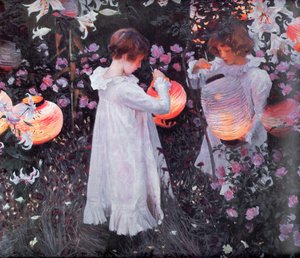
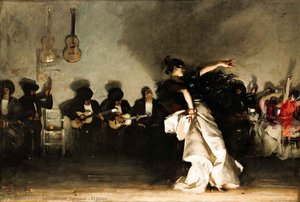
While celebrated as “the leading portrait painter of his generation,” John Singer Sargent’s artistic legacy extends far beyond his masterful depictions of society figures. His major works, such as *El Jaleo*, a dynamic portrayal of Spanish flamenco dancers, and *Carnation, Lily, Lily, Rose*, a serene depiction of two young girls in an English garden, demonstrate his versatility and technical brilliance. Later in life, he embarked on ambitious mural projects, including the monumental cycle at the Boston Public Library, showcasing his ability to translate his artistic vision onto a grand scale. His influence can be seen in the work of subsequent generations of artists who admired his technical skill, his bold brushwork, and his ability to capture both physical likeness and psychological depth. The rediscovery of his previously overlooked male nudes in the 1980s further broadened our understanding of Sargent’s artistic range and revealed a more complex and nuanced artist than previously recognized. His paintings continue to captivate audiences worldwide, offering a fascinating glimpse into a bygone era while simultaneously transcending time through their enduring beauty and technical mastery. He remains, undeniably, one of the most significant American artists of his generation, whose work continues to inspire and provoke admiration.Influences and Artistic Kinships
- Carolus-Duran: His teacher, who instilled in him a direct painting technique and encouraged spontaneity.
- Diego Velázquez: Sargent deeply admired Velázquez’s mastery of light, brushwork, and psychological insight, particularly evident in his Spanish works.
- Impressionism: The Impressionists' emphasis on capturing fleeting moments and atmospheric effects profoundly impacted his landscape paintings, leading to a looser, more expressive style.
- James Abbott McNeill Whistler: Sargent shared with Whistler an interest in aestheticism and the pursuit of “art for art’s sake,” influencing his approach to composition and color.
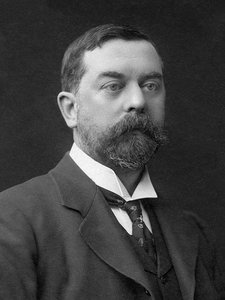
John Singer Sargent
1856 - 1925 , Italy
Quick Facts
- Artistic Movement Or Style: Impressionism
- Artists Who Influenced This Artist:
- Carolus-Duran
- Diego Velázquez
- Date Of Birth: January 12, 1856
- Date Of Death: April 15, 1925
- Full Name: John Singer Sargent
- Nationality: American
- Notable Artworks:
- Madame X
- El Jaleo
- Carnation, Lily, Lily, Rose
- Place Of Birth: Florence, Italy
Related Articles

John Singer Sargent's 25 Masterpieces: Portraits & Beyond | ArtsDot
Explore 25 iconic John Singer Sargent paintings – from dazzling portraits to Impressionist landscapes. Discover the stories behind Madame X, El Jaleo & more! Find museum-quality art reproductions and elevate your home decor with ArtsDot.com.
Dante Gabriel Rossetti's 25 Masterpieces: A Journey Through Victorian Art & Symbolism | ArtsDot
Explore 25 iconic artworks by Dante Gabriel Rossetti, a leading Pre-Raphaelite artist. Discover the stories behind masterpieces like 'Proserpine' & 'Beata Beatrix'. Find museum-quality art reproductions and elevate your home decor with ArtsDot.com.
John Singer Sargent: Capturing the Gilded Age with Impressionistic Brilliance
Explore the life & art of John Singer Sargent, premier portraitist of the Gilded Age. Discover his Impressionistic masterpieces, technical brilliance, and enduring legacy. Expert insights for collectors.

John Constable's Masterpieces: Explore 25 Iconic Landscapes for Your Home
Journey through John Constable's 25 most celebrated landscapes. Explore Romanticism, Dedham Vale & his masterful use of light in iconic paintings like 'Hay Wain'. Find museum-quality art reproductions and elevate your home decor on ArtsDot.com.
Sir John Everett Millais: Pre-Raphaelite Rebellion & Victorian Narrative Detail
Explore the revolutionary art of Sir John Everett Millais & the Pre-Raphaelite Brotherhood. Discover their radical realism, symbolic narratives, and lasting impact on Victorian aesthetics. A deep dive into 19th-century masterpieces.