 Preview
 Send
Send Share
Share
 Details

 Download
 Similars
 X-Ray
X-Ray Diaporama
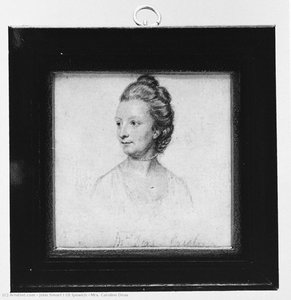
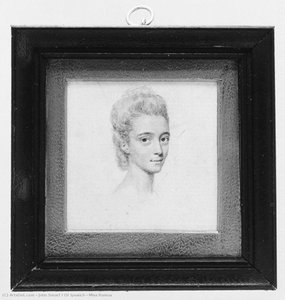
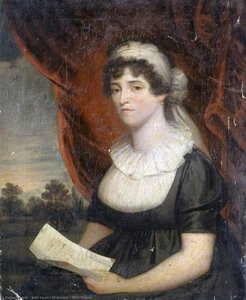
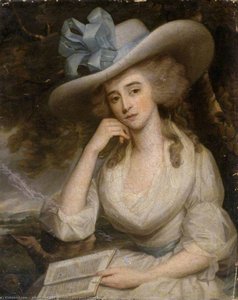
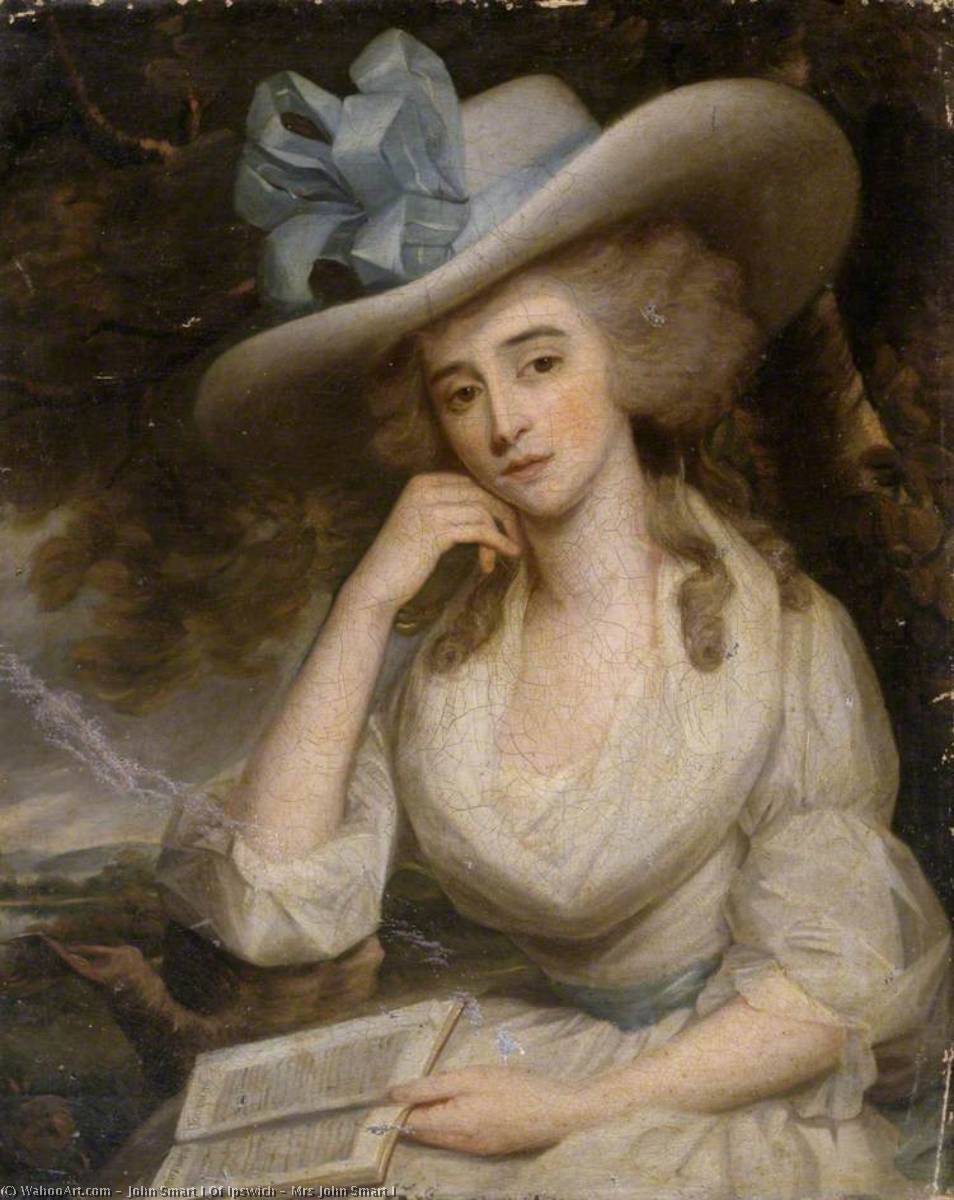
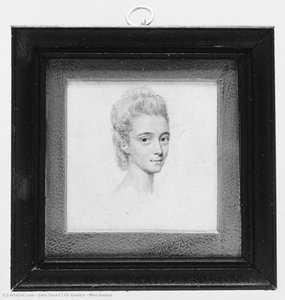
Mrs John Smart I
 1790
1790 76.0 x 63.0 cm
 Read More
Hand Made Oil Reproduction
Hand-painted oil on canvas in your size and frame, made to order by our artists. ( Buy Print Buy Image)




































Pick from our preset sizes that match the artwork's original proportions.

You may enter your own dimensions to fit a specific frame or space. If your selected size does not match the original image's proportions, we will either crop the artwork or extend the painting with additional hand-painted elements. A digital mockup will be sent for your approval before production begins.
Please note that the on-screen preview does not reflect the actual cropping or extension. Only the mockup will accurately show the final composition.
While custom sizes are available, we recommend selecting a dimension from the predefined list to preserve the original proportions.
After order, ArtsDot.com team will email client for instructions and provide a mockup preview
Worldwide Delivery () in 3/4 weeks instead of standard 5 weeks. (29 August). No compromise on quality.

Free Worldwide Express Shipping

High-Quality Linen Canvas

Full Shipping Insurance

Customs Tax Refund Guarantee

True Color Matching Guarantee

60-Day Return Policy (Defects Only)

100% Money-Back Guarantee

Bulk Discount Offer
 Glass option is only available in size under 110 CM

Mrs John Smart I
Reproduction Medium
Reproduction Size
-


Total Price
$ 263
Related Artworks






Artist Biography
A Legacy Etched in Miniature: The Life of John Smart I of Ipswich
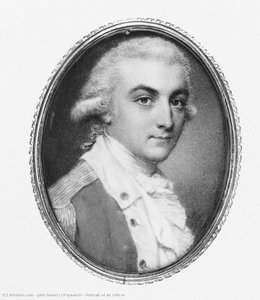
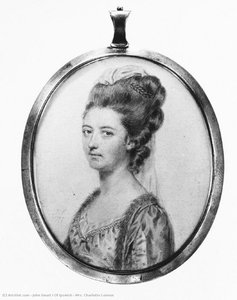
In the delicate, luminous world of eighteenth-century British portraiture, few names evoke the same sense of intimate precision as John Smart I of Ipswich. A master of the miniature, Smart possessed the rare ability to compress the grandeur of the Georgian era into tiny, ivory canvases that felt as vast and profound as the souls they depicted. While his physical works were small enough to be held in the palm of a hand, the impact of his artistry was monumental, bridging the gap between the formal rigidity of classical portraiture and the burgeoning emotional depth of the Romantic movement.
The origins of Smart’s genius are shrouded in the soft mists of history, yet the traces of his development reveal an artist deeply connected to the pulse of English art. Emerging from the vibrant cultural landscape of Ipswich, Suffolk, he likely sought refinement in the bustling heart of London. It is widely believed that he underwent a formative apprenticeship under the legendary William Hogarth around 1750. From Hogarth, Smart did not merely inherit technical prowess; he absorbed a profound understanding of character. While Hogarth used his brush to satirize and dissect society, Smart utilized those same lessons in observation to find the quiet, psychological nuances within his subjects, turning every miniature into a window of human truth.
Technique and the Luminous Glow of the Ipswich School
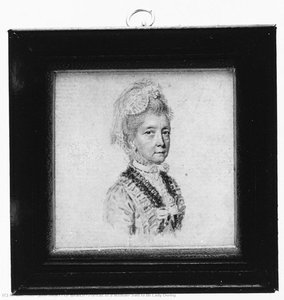
To gaze upon a true John Smart miniature is to witness a masterclass in light and texture. His technique was nothing short of alchemy, often employing the grisaille method—a sophisticated process where a monochrome underpainting establishes the foundational shadows and structural tones. Upon this skeletal framework, he applied incredibly thin, translucent glazes of color. This layering allowed light to pass through the pigment and reflect off the white ivory base, creating an ethereal, inner glow that seemed to emanate from within the skin of his subjects.
This meticulous approach defined the aesthetic of what is often referred to as the Ipswich School. His palette was characterized by a luminous clarity, avoiding heavy, muddy tones in favor of a brightness that captured the fleeting elegance of 18th-century fashion and the soft radiance of candlelight. Every lace collar, every glint in an eye, and every subtle flush of a cheek was rendered with a precision that demanded absolute stillness from the viewer, inviting them to lean in and discover the secrets hidden within the miniature frame.
Patronage, Portraits, and Historical Significance
The success of Smart’s career was inextricably linked to his ability to capture the essence of the era's most notable figures. Upon establishing himself in Ipswich, he secured the patronage of influential local families, such as the Deas family, which provided him a steady foundation to explore diverse subjects. His repertoire expanded beyond simple likenesses to include landscapes and genre scenes, yet it was his portraiture that cemented his immortality. He had the rare gift of portraying both the nobility and the gentry with an equal sense of dignity and intimacy.
His notable commissions serve as a testament to his standing in the artistic hierarchy. Among his most celebrated works are portraits of Lady Mary Wortley Montagu, a woman whose intellect and travels defied the societal constraints of her time. Through Smart’s brush, such figures were not merely recorded for posterity but were imbued with a sense of their living, breathing presence. His work remains a vital historical record, capturing the faces of an age defined by transition—from the structured elegance of the Georgian period to the expressive freedom of the coming century.
Today, the legacy of John Smart I of Ipswich lives on in the prestigious collections of museums like the Victoria and Albert Museum. His miniatures are more than mere trinkets of a bygone era; they are profound achievements of human skill, reminding us that greatness is not measured by the scale of the canvas, but by the depth of the vision captured upon it.
Quick Facts
- Artistic Movement Or Style: Miniature Portraiture
- Artists Or Movements Influenced By This Artist: ['Neoclassicism']
- Artists Who Influenced This Artist: ['Joshua Reynolds']
- Full Name: John Smart I
- Nationality: British
- Notable Artworks: ['Portrait of Lady Mary Wortley Montagu']
- Place Of Birth: Ipswich