 Preview
 Send
Send Share
Share
 Details

 Download
 Similars
 X-Ray
X-Ray Diaporama
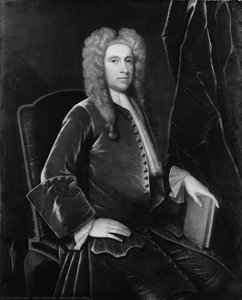
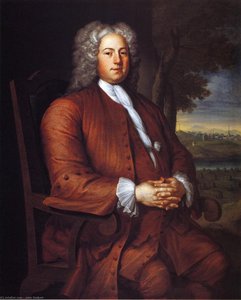
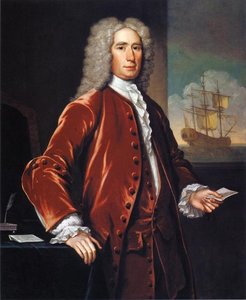
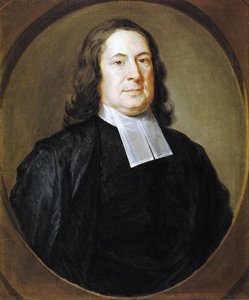
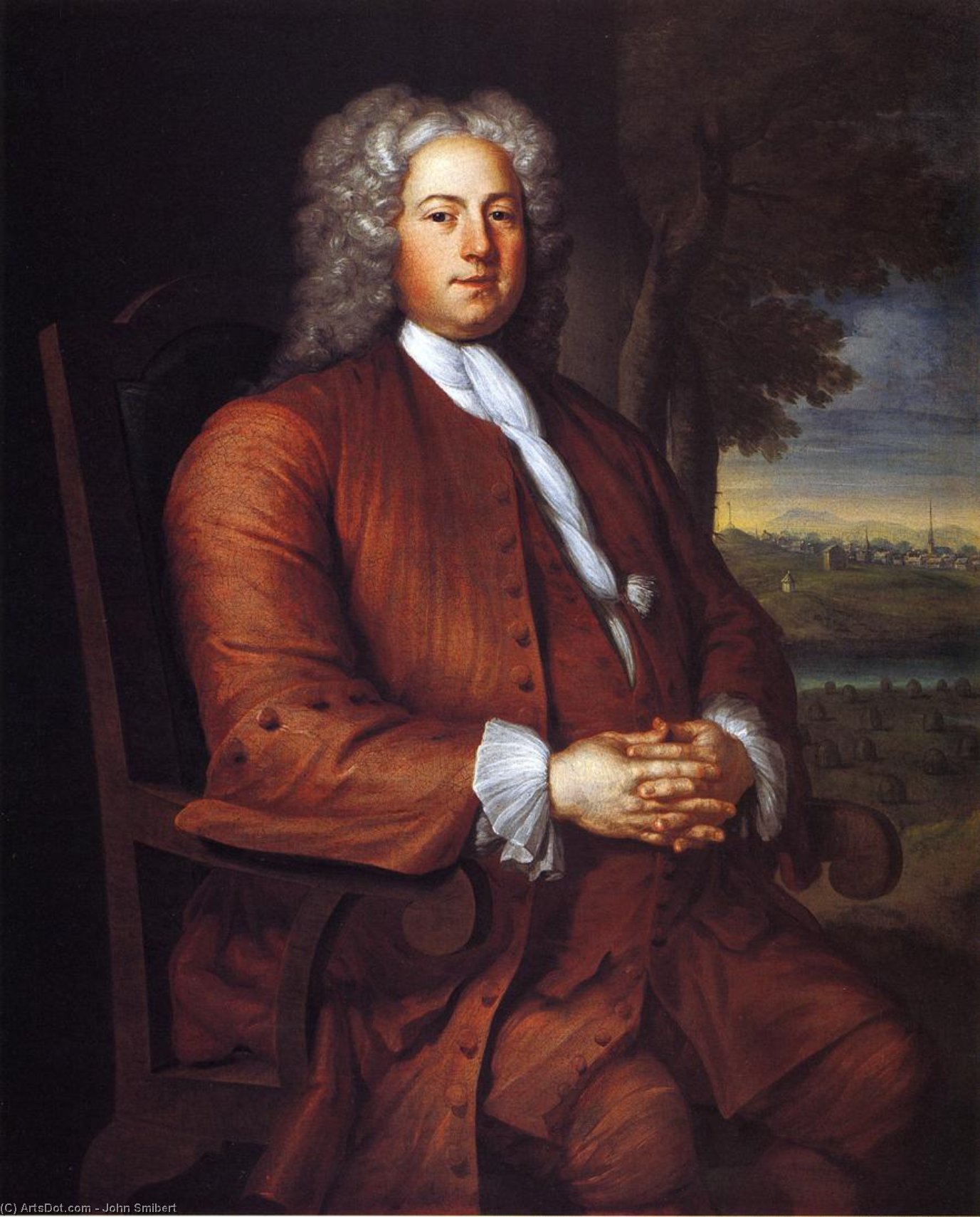
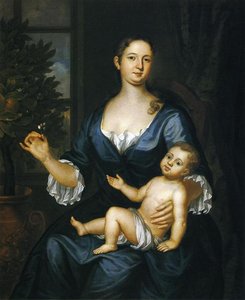
Francis Brinley


 Read More
Hand Made Oil Reproduction
Hand-painted oil on canvas in your size and frame, made to order by our artists. ( Buy Print Buy Image)




P118B $10

P118H $10

P118W $10

P438Z $10

P508JH $12

P508YH $12

P805H $10

P805Z $10

P919BZ $10

P919G $10

P919XJ $10

P959ZH $10

P968JZ $12

W106C $8

W218G $10

W218JH $8

W218Y $10

W307PJ $10

W316G $10

W316PJ $8

W316Y $10

W398PJ $8

W4111J $10

W500HY $15

W500JH $15

W692G $12

W849H $8

W940BG $15

W953PJ $8




Pick from our preset sizes that match the artwork's original proportions.

You may enter your own dimensions to fit a specific frame or space. If your selected size does not match the original image's proportions, we will either crop the artwork or extend the painting with additional hand-painted elements. A digital mockup will be sent for your approval before production begins.
Please note that the on-screen preview does not reflect the actual cropping or extension. Only the mockup will accurately show the final composition.
While custom sizes are available, we recommend selecting a dimension from the predefined list to preserve the original proportions.
After order, ArtsDot.com team will email client for instructions and provide a mockup preview
Worldwide Delivery () in 3/4 weeks instead of standard 5 weeks. (17 August). No compromise on quality.

Free Worldwide Express Shipping

High-Quality Linen Canvas

Full Shipping Insurance

Customs Tax Refund Guarantee

True Color Matching Guarantee

60-Day Return Policy (Defects Only)

100% Money-Back Guarantee

Bulk Discount Offer
 Glass option is only available in size under 110 CM

Francis Brinley
Reproduction Medium
Reproduction Size
-


Total Price
$ 263
Artwork Description
A Portrait of Propriety: Unveiling Francis Brinley by John Smibert
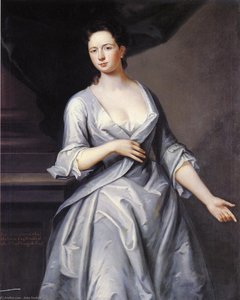
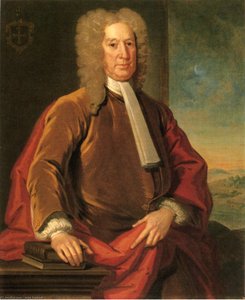
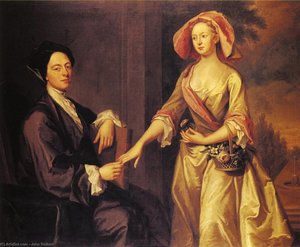
John Smibert’s “Francis Brinley and His Son,” painted in 1729, is more than just a portrait; it's a meticulously crafted tableau of Georgian society, brimming with subtle social commentary and the quiet dignity of a landed family. The painting depicts Francis Brinley, a prominent figure from Roxbury, Massachusetts, seated alongside his young son, capturing a moment frozen in time – a testament to lineage, wealth, and the carefully constructed image of respectability so valued during that era.
Smibert’s style leans heavily into the Dutch Golden Age tradition, particularly evident in the masterful use of chiaroscuro. The lighting is dramatic, highlighting Brinley's face and attire while casting deep shadows across the background, creating a sense of depth and theatricality. The composition itself is carefully balanced, with each element contributing to a harmonious whole. Notice how Brinley’s posture – upright, attentive, and slightly formal – reflects the societal expectations placed upon men of his standing. The son mirrors this formality, seated attentively beside his father, suggesting an early absorption into the values of his family.
The Language of Dress: Symbolism in Fabric and Ornament
Beyond the immediate depiction of the subjects, the painting is rich with symbolic details embedded within their clothing and surroundings. Brinley’s scarlet coat, trimmed with white lace, was a significant indicator of wealth and status – a bold statement against the more subdued colors prevalent at the time. The red symbolized power and authority, while the white represented purity and virtue. The son's attire, though less ostentatious, is equally deliberate; his dark blue velvet waistcoat and embroidered cuffs speak to his family’s position within the community. Even the clock on the wall behind them carries symbolic weight – a reminder of time passing, of legacy being built, and of the importance of order and discipline.
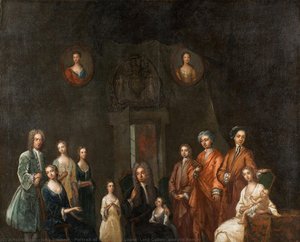
The inclusion of a portrait within a portrait—a miniature depicting Brinley's wife and daughter—adds another layer of complexity. It subtly acknowledges the role of women in upholding family values and maintaining social standing. This nested composition reinforces the idea that Brinley’s identity is inextricably linked to his lineage and domestic sphere.
A Window into 18th-Century Massachusetts
“Francis Brinley and His Son” offers a valuable glimpse into the life of an affluent family in colonial Massachusetts. The setting, though idealized, reflects the prosperity enjoyed by many landowners during this period. The room itself—with its dark wood paneling, heavy curtains, and carefully arranged furnishings—is indicative of the wealth and taste prevalent among the elite. Studying the details of the painting allows us to understand not only Brinley’s individual circumstances but also the broader social and cultural context in which he lived.
The portrait was likely commissioned as a commemorative piece, perhaps celebrating a significant milestone or simply documenting the family's status. It stands as a poignant reminder of a bygone era—a time when portraits served not only as representations of individuals but also as powerful symbols of social standing and familial pride.
Collecting a Legacy: Reproduction Considerations
Reproductions of “Francis Brinley and His Son” are available in various formats, offering an accessible way to appreciate Smibert’s artistry. When selecting a reproduction, consider the medium – oil on canvas prints offer the most authentic representation of the original's texture and color palette. Look for high-resolution images that capture the subtle nuances of light and shadow, ensuring that the painting’s emotional impact is faithfully reproduced. This piece would be an excellent addition to any collection focused on American portraiture or 18th-century domestic life, bringing a touch of historical elegance to your interior space.
Related Artworks
![Legend Of St Francis - [24] - Canonization Of St Francis — Giotto Di Bondone, Gothic](/media/artworks/images/thumbnails/46/25/46258ba5eea24e14b12f138b9d3f90a3.jpg)
![Life Of Saint Francis - [04] - Death And Ascension Of St Francis — Giotto Di Bondone, Italian Renaissance](/media/artworks/images/thumbnails/e8/b6/e8b63a7fcb4a42ab89d26ae343d6f757.jpg)

Artist Biography
Giuseppe Castiglione: Bridging East and West in Qing Imperial Art
Giuseppe Castiglione (1688-1766) stands as a singular figure in the annals of art history, a testament to cultural exchange and artistic innovation. His remarkable fifty-year tenure at the Qing court in Beijing represents one of the most extraordinary collaborations between Western and Chinese artistic traditions. Born in Milan, Italy, Castiglione’s journey began with his ordination as a Jesuit missionary in 1715, an event that would irrevocably alter the course of his life and profoundly impact the aesthetic landscape of imperial China. Initially assigned to work in the palace enameling workshop, he unexpectedly ascended to prominence after the ascension of Emperor Yongzheng in 1723, receiving the prestigious Chinese name Lang Shining – a transformation that marked the beginning of his extraordinary artistic career.
Castiglione’s approach was revolutionary. Rather than simply replicating existing Chinese styles, he masterfully synthesized Western realism with traditional Chinese conventions. He had spent considerable time in Portugal, studying and practicing mural painting—a skill that proved invaluable in his later work at the Qing court. His training instilled a deep understanding of composition, perspective, and draftsmanship, which he skillfully integrated with the nuanced brushwork, symbolism, and philosophical underpinnings of Chinese art. This fusion resulted in paintings of unparalleled descriptive complexity, technical finish, and monumental scale – perfectly suited to the emperor’s desire for both documentary accuracy and lavish self-promotion.
The creation of “One Hundred Horses” (1735-1740) serves as a definitive example of Castiglione's unique style. This colossal handscroll, measuring nearly eight meters in length, is not merely a depiction of horses; it’s an illusionistic masterpiece. The preparatory drawing, recently unearthed and offering unprecedented insight into his process, reveals the meticulous care with which he constructed his compositions. Western techniques—precise charcoal sketches followed by bold ink outlines—were employed alongside Chinese conventions. Notably, Castiglione deliberately departed from traditional Chinese brushwork, opting for sharper lines reminiscent of Li Gonglin, a revered master known for his “baimiao” (monochrome drawings). However, unlike Li’s fluid calligraphy, Castiglione's drawing possessed a distinct European stiffness and laboriousness.
The monumental pine trees that punctuate the scroll are another striking example of this hybrid approach. Borrowed from Chinese sources, they were rendered with an unprecedented level of detail and foreshortening—a testament to Castiglione’s understanding of Western perspective. Even seemingly minor details, such as the spontaneous arabesques and cross-hatching used to depict vegetation, reflected a European sensibility – prioritizing modeling through light and shadow rather than the arbitrary contrasts of Chinese painting. This deliberate shift away from traditional Chinese techniques highlights Castiglione's conscious effort to bridge the gap between Western and Eastern artistic philosophies.
The Imperial Commission and the Constraints of Convention
The process of creating a painting for the Qing court was highly formalized, involving multiple stages of imperial approval. The practice of submitting preparatory drawings for scrutiny before commencing the final version—a standard procedure—ultimately served to inhibit spontaneity and encourage the participation of assistants. Castiglione’s focus on descriptive realism, prioritizing accurate representation over calligraphic brushwork, inadvertently contributed to a hardening of stylistic convention within his workshop.
The use of precious materials – silk as the support and mineral pigments – further complicated the creative process. These factors combined to create an environment where individual expression was often suppressed in favor of adhering to established norms. Despite these constraints, Castiglione’s work remains a remarkable achievement—a testament to his artistic skill, cultural sensitivity, and ability to navigate the complex dynamics of the Qing court.
Castiglione's Legacy: A Revolutionary Influence
Giuseppe Castiglione’s impact on Qing imperial art is undeniable. He not only established a new aesthetic standard but also profoundly influenced subsequent generations of Chinese painters. His innovative approach—combining Western realism with traditional Chinese techniques—challenged existing conventions and paved the way for further experimentation and cross-cultural exchange.
His work, particularly “One Hundred Horses,” is now recognized as a cornerstone of Qing court art, celebrated for its technical brilliance, descriptive richness, and symbolic depth. Castiglione’s legacy extends beyond his individual masterpieces; he represents a pivotal moment in the history of art—a bridge between East and West, where artistic innovation flourished through mutual respect and creative dialogue.
Early Life and Artistic Training
Born in Milan, Italy, on December 12, 1688, Giuseppe Castiglione’s early life was marked by a strong interest in art. He received his initial training as a painter, developing skills in various techniques including fresco painting and portraiture. His exposure to Western artistic traditions—particularly the Baroque style prevalent at the time—laid the foundation for his later success at the Qing court.
Prior to his arrival in China, Castiglione spent several years in Portugal, where he honed his skills as a muralist. This experience proved invaluable, providing him with a deep understanding of composition, perspective, and large-scale painting techniques—skills that would be crucial in his subsequent work at the Qing court. His time in Portugal also exposed him to different artistic styles and cultural influences, broadening his artistic horizons.
His decision to become a Jesuit missionary in 1715 marked a significant turning point in his life. The mission provided him with an opportunity to travel to China and immerse himself in the rich culture of the Qing dynasty. This journey ultimately led to his appointment as Lang Shining, a prestigious position within the imperial court—a role that would define his artistic career for the next fifty years.

john smibert
1688 - 1751 , United Kingdom
Quick Facts
- Artistic Movement Or Style: Illusionist painting
- Artists Or Movements Influenced By This Artist: ['Qing court art']
- Artists Who Influenced This Artist: ['Li Gonglin']
- Date Of Birth: 1688
- Date Of Death: 1751
- Full Name: Giuseppe Castiglione
- Nationality: Italian
- Notable Artworks: ['One Hundred Horses']
- Place Of Birth: Milan, Italy
Related Articles
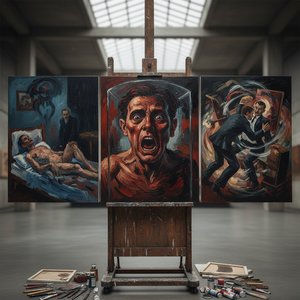
Francis Bacon's Masterpieces: Exploring 25 Iconic Paintings | ArtsDot
Delve into the haunting world of Francis Bacon with ArtsDot. Explore 25 iconic paintings, from his visceral portraits to powerful triptychs. Discover the stories behind these masterpieces & find museum-quality art reproductions for your home. Explore the full collection online!

John Singer Sargent's 25 Masterpieces: Portraits & Beyond | ArtsDot
Explore 25 iconic John Singer Sargent paintings – from dazzling portraits to Impressionist landscapes. Discover the stories behind Madame X, El Jaleo & more! Find museum-quality art reproductions and elevate your home decor with ArtsDot.com.

John Constable's Masterpieces: Explore 25 Iconic Landscapes for Your Home
Journey through John Constable's 25 most celebrated landscapes. Explore Romanticism, Dedham Vale & his masterful use of light in iconic paintings like 'Hay Wain'. Find museum-quality art reproductions and elevate your home decor on ArtsDot.com.
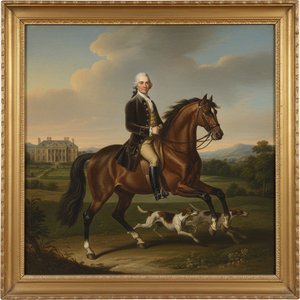
John Francis Sartorius II: Equestrian Elegance & the Rise of British Portraiture
Explore the captivating world of Francis Sartorius II (1734-1804), a leading British painter renowned for his exquisite equestrian portraits and hunting scenes. Discover his life, techniques & enduring legacy.

Golden Age Reflections: Dutch Baroque Painting & Cultural Innovation
Explore the Dutch Golden Age of painting! Discover key artists like Vermeer & ter Borch, their innovative techniques, and the rich cultural context behind these Baroque masterpieces. Learn about collecting & appreciating this iconic art period.