 Preview
 Send
Send Share
Share
 Details

 Download
 Similars
 X-Ray
X-Ray Diaporama
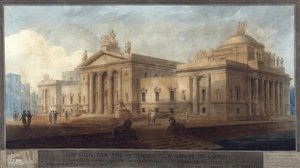
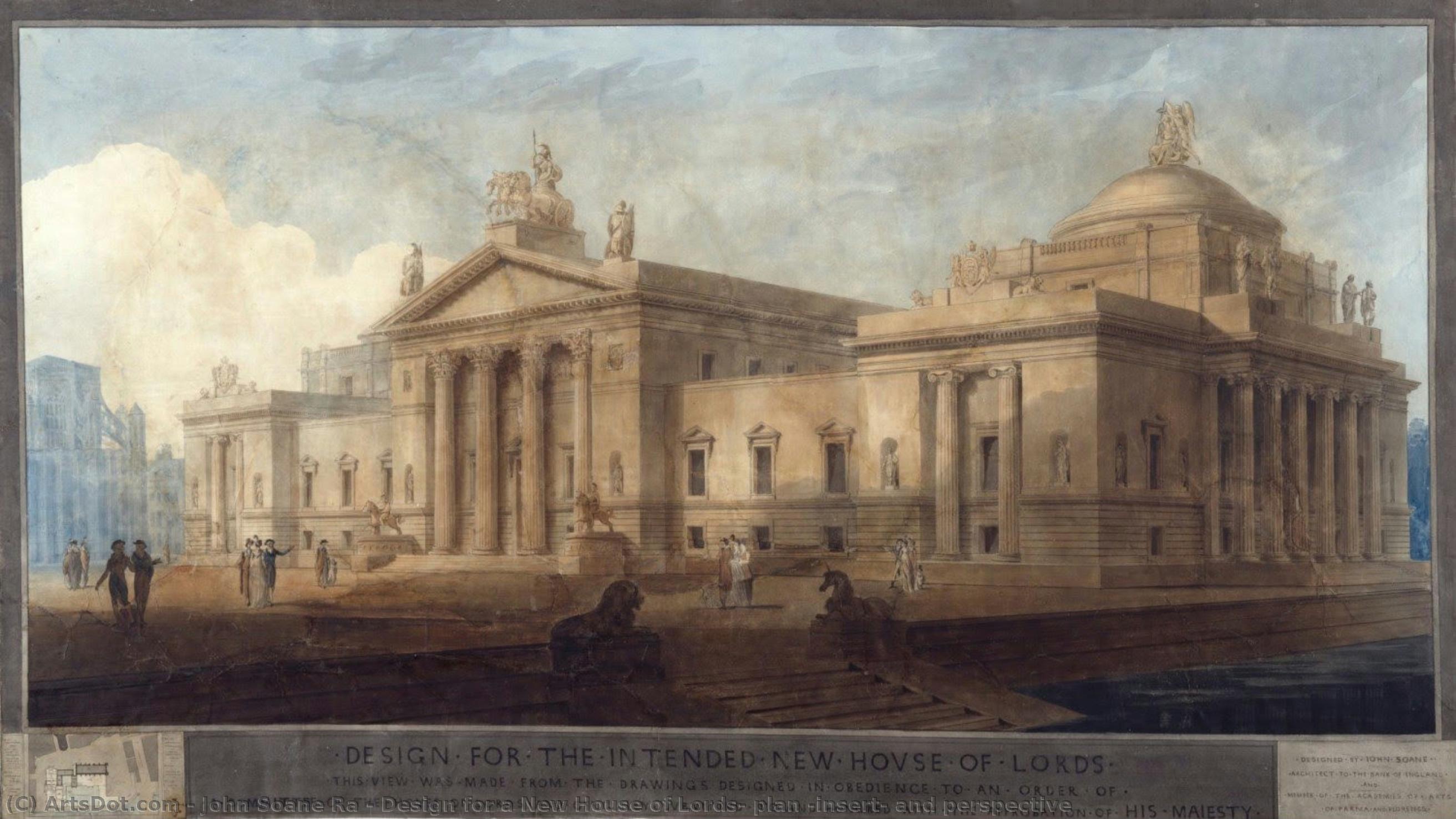
Design for a New House of Lords: plan (insert) and perspective


 Read More
Hand Made Oil Reproduction
Hand-painted oil on canvas in your size and frame, made to order by our artists. ( Buy Print Buy Image)




P118B $10

P118H $10

P118W $10

P438Z $10

P508JH $12

P508YH $12

P805H $10

P805Z $10

P919BZ $10

P919G $10

P919XJ $10

P959ZH $10

P968JZ $12

W106C $8

W218G $10

W218JH $8

W218Y $10

W307PJ $10

W316G $10

W316PJ $8

W316Y $10

W398PJ $8

W4111J $10

W500HY $15

W500JH $15

W692G $12

W849H $8

W940BG $15

W953PJ $8




Pick from our preset sizes that match the artwork's original proportions.

You may enter your own dimensions to fit a specific frame or space. If your selected size does not match the original image's proportions, we will either crop the artwork or extend the painting with additional hand-painted elements. A digital mockup will be sent for your approval before production begins.
Please note that the on-screen preview does not reflect the actual cropping or extension. Only the mockup will accurately show the final composition.
While custom sizes are available, we recommend selecting a dimension from the predefined list to preserve the original proportions.
After order, ArtsDot.com team will email client for instructions and provide a mockup preview
Worldwide Delivery () in 3/4 weeks instead of standard 5 weeks. (22 August). No compromise on quality.

Free Worldwide Express Shipping

High-Quality Linen Canvas

Full Shipping Insurance

Customs Tax Refund Guarantee

True Color Matching Guarantee

60-Day Return Policy (Defects Only)

100% Money-Back Guarantee

Bulk Discount Offer
 Glass option is only available in size under 110 CM

Design for a New House of Lords: plan (insert) and perspective
Reproduction Medium
Reproduction Size
-


Total Price
$ 263
Artwork Description
Related Artworks
Artist Biography
The Architect of Light and Illusion
John Soane, a name synonymous with the profound elegance of British Neo-Classical architecture, did not merely design structures; he orchestrated experiences of light, shadow, and spatial mystery. Born in 1753 in Goring-on-Thames to a humble bricklayer, Soane’s journey from the son of a craftsman to a titan of the Regency era is a testament to an extraordinary innate talent for seeing beyond the surface of stone and mortar. His early life, rooted in the practicalities of construction, provided him with a foundational understanding of material and mass, yet it was his academic pursuit at the Royal Academy Schools that ignited his true vocation. Through the acquisition of prestigious accolades, including the Silver and Gold Medals, Soane secured a scholarship that allowed him to embark on a transformative Grand Tour of Europe. This pilgrimage through the ancient ruins of Rome, Paestum, and Pompeii would forever haunt his architectural vocabulary, infusing his work with a deep, reverent connection to the classical past.
As his career matured, Soane developed a signature style that moved away from the rigid, heavy ornamentation of his predecessors toward a more nuanced, stripped-back aesthetic. His genius lay in the manipulation of chiaroscuro within architectural space—the way light could be drawn through skylights, reflected off polished surfaces, or filtered through intricate lanterns to create an atmosphere of quiet contemplation. This mastery of illumination is perhaps most breathtakingly realized in the Dulwich Picture Gallery. Here, Soane pioneered the use of top-lit galleries, a revolutionary technique that prioritized the preservation and dramatic presentation of art, forever altering the way museum spaces were conceived. His work was never about mere decoration; it was about the emotional resonance of volume and the psychological impact of a well-placed shadow.
A Legacy Carved in Stone and Spirit
The breadth of Soane’s influence is most visibly etched into the very skyline of London. For forty-five years, he served as the architect for the Bank of England, a monumental undertaking that required him to balance the immense security needs of a global financial hub with his personal desire for architectural innovation and rhythmic complexity. In this project, one sees the culmination of his ability to manage massive scale through delicate detailing and clever use of internal courtyards and light wells. Beyond the grand civic institutions, Soane’s touch can be felt in the intimate and the sacred, such as his design for St John on Bethnal Green, where his classical sensibilities met the needs of an evolving urban landscape.
Yet, perhaps his most personal and enduring achievement is Sir John Soane’s Museum. This extraordinary collection—a labyrinthine assemblage of paintings, sculptures, architectural fragments, and even the sarcophagus of Pharaoh Seti I—was housed within his own residence at Lincoln’s Inn Fields. Through a private Act of Parliament, Soane ensured that his home and its curated wonders would remain open to the public in perpetuity, exactly as he arranged them. This act of profound generosity transformed his domestic life into a living pedagogical tool for future generations of architects. To walk through the museum today is to step directly into the mind of the man himself, experiencing the same sense of wonder, discovery, and architectural magic that defined his illustrious life.
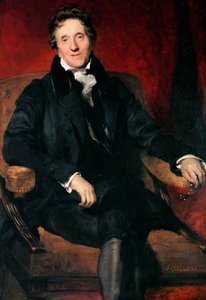
john soane ra
1753 - 1837 , United Kingdom
Quick Facts
- Artistic Movement Or Style: Neo-Classical
- Artists Or Movements Influenced By This Artist: ['Henry Holland']
- Artists Who Influenced This Artist: ['George Dance the Younger']
- Date Of Birth: September 10, 1753
- Date Of Death: January 20, 1837
- Full Name: John Soane RA
- Nationality: British
- Notable Artworks:
- Bank of England
- Dulwich Picture Gallery
- Place Of Birth: Goring-on-Thames, Oxfordshire, England
Related Articles
Neo-Classicism's Greatest Hits: 10 Masterpieces for Your Home |
Journey through Neo-Classicism's finest! Explore 10 iconic masterpieces by David, Ingres & Canova. Discover art history, techniques & timeless beauty – perfect for inspiring your home decor. Find museum-quality reproductions at

John Constable's Masterpieces: Explore 25 Iconic Landscapes for Your Home
Journey through John Constable's 25 most celebrated landscapes. Explore Romanticism, Dedham Vale & his masterful use of light in iconic paintings like 'Hay Wain'. Find museum-quality art reproductions and elevate your home decor on ArtsDot.com.

John Singer Sargent's 25 Masterpieces: Portraits & Beyond | ArtsDot
Explore 25 iconic John Singer Sargent paintings – from dazzling portraits to Impressionist landscapes. Discover the stories behind Madame X, El Jaleo & more! Find museum-quality art reproductions and elevate your home decor with ArtsDot.com.
The Enduring Legacy of Classicism: Principles, Evolution & Influence in Western Art
Explore the enduring legacy of Classicism in Western art! Discover its historical context, key principles, iconic masterpieces & lasting influence. Learn about Renaissance and Neoclassical movements with ArtsDot.
Timeless Resonance: Exploring Classic Vibe in Art – A Historical & Aesthetic Analysis
Explore the rich history & enduring aesthetic of Classicism art! Discover key movements, iconic artists like Raphael & David, and its lasting influence on Western art. Deepen your appreciation today.