 Preview
 Send
Send Share
Share
 Details

 Download
 Similars
 X-Ray
X-Ray Diaporama
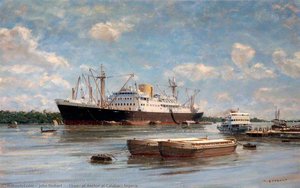
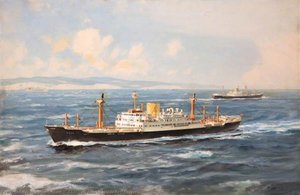
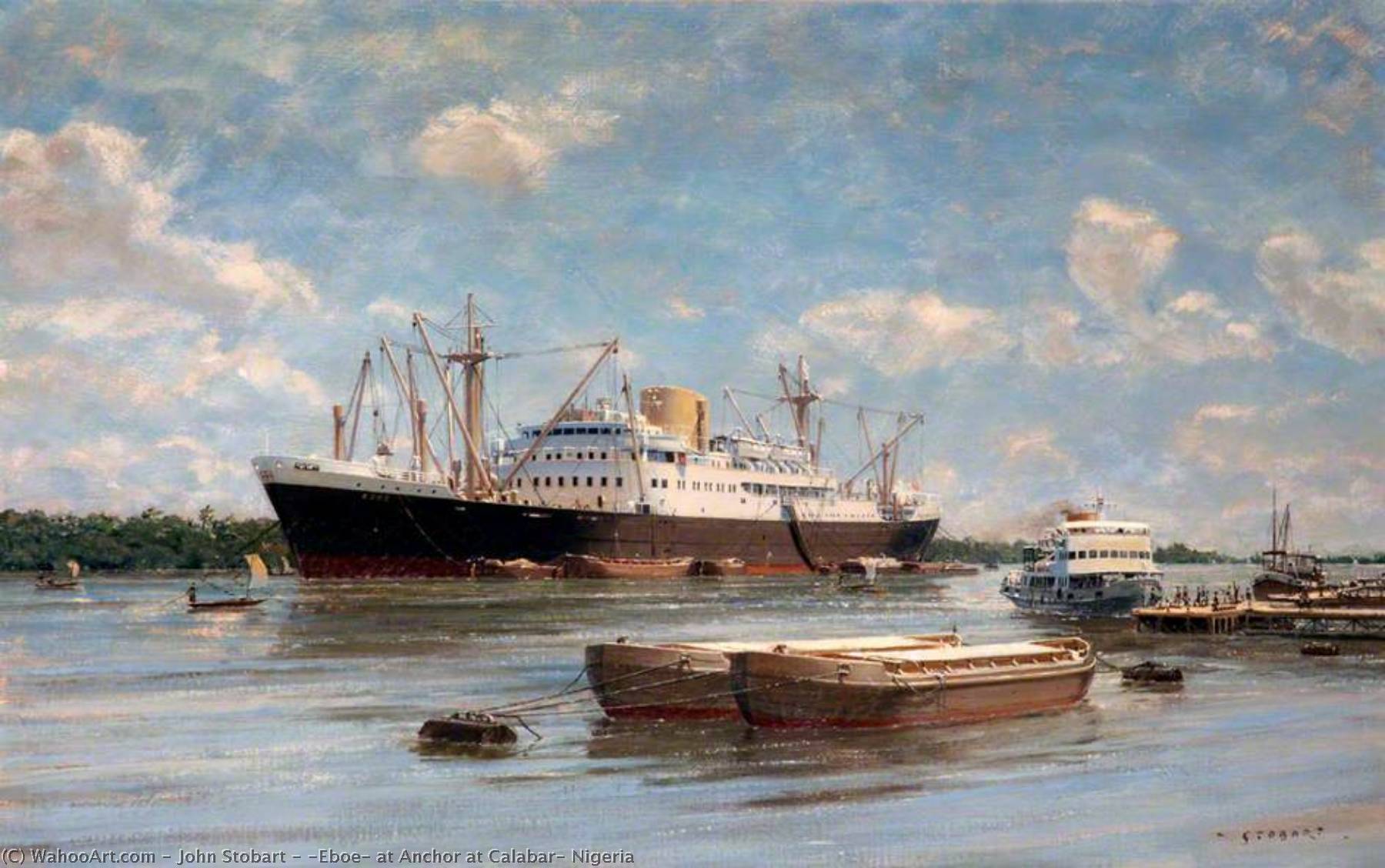
'Eboe' at Anchor at Calabar, Nigeria
 71.0 x 102.0 cm
 Read More
Hand Made Oil Reproduction
Hand-painted oil on canvas in your size and frame, made to order by our artists. ( Buy Print Buy Image)




































Pick from our preset sizes that match the artwork's original proportions.

You may enter your own dimensions to fit a specific frame or space. If your selected size does not match the original image's proportions, we will either crop the artwork or extend the painting with additional hand-painted elements. A digital mockup will be sent for your approval before production begins.
Please note that the on-screen preview does not reflect the actual cropping or extension. Only the mockup will accurately show the final composition.
While custom sizes are available, we recommend selecting a dimension from the predefined list to preserve the original proportions.
After order, ArtsDot.com team will email client for instructions and provide a mockup preview
Worldwide Delivery () in 3/4 weeks instead of standard 5 weeks. (26 August). No compromise on quality.

Free Worldwide Express Shipping

High-Quality Linen Canvas

Full Shipping Insurance

Customs Tax Refund Guarantee

True Color Matching Guarantee

60-Day Return Policy (Defects Only)

100% Money-Back Guarantee

Bulk Discount Offer
 Glass option is only available in size under 110 CM

'Eboe' at Anchor at Calabar, Nigeria
Reproduction Medium
Reproduction Size
-


Total Price
$ 263
Related Artworks







Artist Biography
John Stobart: A Mariner’s Eye and the Golden Age of Sail
The world of maritime art is often associated with romanticized visions of billowing sails, distant horizons, and heroic voyages. Yet, behind these iconic images lies a meticulous process of observation, research, and artistic skill. John Stobart (1929-2023), a British artist who spent much of his career capturing the essence of American harbor scenes during the Golden Age of Sail, achieved remarkable renown for his detailed paintings that transported viewers back in time to a world of bustling ports and magnificent vessels. His work wasn’t merely decorative; it was a profound exploration of history, engineering, and the human connection to the sea.
Stobart's early life, rooted in the quiet Derbyshire countryside, might seem an unlikely foundation for a career dedicated to the open ocean. Born in Leicester on December 29th, 1929, his childhood was shaped by the close-knit community and the influence of his family – particularly his father, a pharmacist, and his brother George. A fascination with the sea began during visits to Liverpool, a vibrant port city that ignited his imagination with its teeming docks and diverse fleet of ships. This early exposure proved pivotal, setting him on a path toward documenting these historic maritime scenes. His artistic talent was evident from a young age; as he himself recounted, “drawing ALL the time on any scrap of paper you could find, from the age of 6”. Despite academic struggles, Stobart’s passion for art led him to Derby School of Art and later, the prestigious Royal Academy Schools in London, where he honed his skills under influential instructors.
A significant turning point came with his decision to emigrate to Canada in 1957. This move provided him with a unique opportunity to immerse himself in the maritime world of the Saint Lawrence River, a vital artery connecting the Great Lakes and the Atlantic Ocean. It was during this period that Stobart began collaborating with shipping companies, a practice that would become central to his career. He meticulously researched vessels, studying their blueprints and historical records, then translated these details into stunningly accurate paintings. This approach wasn’t simply about replicating images; it was an act of preservation, ensuring that the memory of these magnificent ships and ports wouldn't be lost to time.
The Art of Observation: Technique and Subject Matter
Stobart’s artistic technique was characterized by a remarkable level of detail and realism. He wasn’t interested in creating idealized landscapes; instead, he sought to capture the gritty reality of harbor life – the weathered faces of sailors, the bustling activity of dockworkers, and the intricate details of the ships themselves. His paintings are replete with meticulously rendered ropes, rigging, and hull planking, reflecting a deep understanding of nautical engineering. He employed a layered approach to his work, building up colors gradually to achieve depth and luminosity. His palette was often muted, dominated by blues, grays, and browns, mirroring the tones of the sea and weathered wood.
Stobart’s subject matter focused primarily on American harbors during the 19th century – a period he considered the “Golden Age of Sail.” He chose scenes that showcased the grandeur of these ports, capturing them at moments of intense activity. His subjects included bustling ports like New York, Boston, Philadelphia, and Baltimore, each rendered with a distinct sense of place. He wasn’t simply painting ships; he was painting stories – tales of trade, exploration, and human endeavor. The artist's meticulous research ensured that his paintings were not only visually stunning but also historically accurate, offering viewers a glimpse into a bygone era.
A Legacy in Print and Recognition
While Stobart’s original oil paintings garnered significant acclaim, he also established himself as a prolific printmaker. He skillfully adapted his detailed observations into limited-edition prints, making his work accessible to a wider audience. These prints, often produced using lithography techniques, retained the same level of precision and artistry as his originals. He founded the Stobart Foundation in 1989, dedicated to supporting traditional artists through scholarships, further cementing his commitment to preserving artistic skills.
Throughout his career, Stobart received numerous accolades recognizing his contributions to the art world. He was elected an Honorary Royal Academician (H RA) in 2009 and became a Vice President Emeritus of the American Society of Marine Artists (ASMA). His work has been exhibited extensively in both Europe and North America, and it continues to be admired for its historical accuracy, technical skill, and evocative atmosphere. John Stobart’s legacy extends beyond his individual paintings; he helped to preserve a vital chapter in maritime history, offering viewers a tangible connection to the past.
The Enduring Appeal of a Mariner's Vision
John Stobart passed away on March 2nd, 2023, at the age of 93. His death marks the end of an era in maritime art, but his paintings continue to resonate with audiences today. They offer a powerful reminder of the importance of observation, research, and artistic skill – qualities that remain essential for any artist seeking to capture the essence of a subject and share it with the world. Stobart’s work is not merely a depiction of ships and harbors; it's a testament to the enduring allure of the sea and the stories it holds.
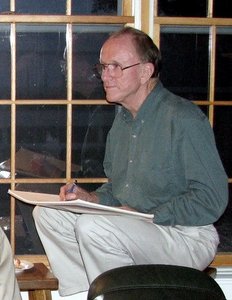
john stobart
1929 - 2023
Quick Facts
- Artistic Movement Or Style: Maritime painting
- Artists Or Movements Influenced By This Artist: ['William Frederick Hayden']
- Artists Who Influenced This Artist: ['Henry Rushbury']
- Date Of Birth: 29 December 1929
- Date Of Death: 2 March 2023
- Full Name: John Stobart
- Nationality: British
- Notable Artworks:
- American harbor scenes
- Golden Age of Sail
- Place Of Birth: Leicester, England