 Preview
 Send
Send Share
Share
 Details

 Download
 Similars
 X-Ray
X-Ray Diaporama
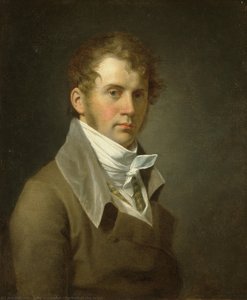
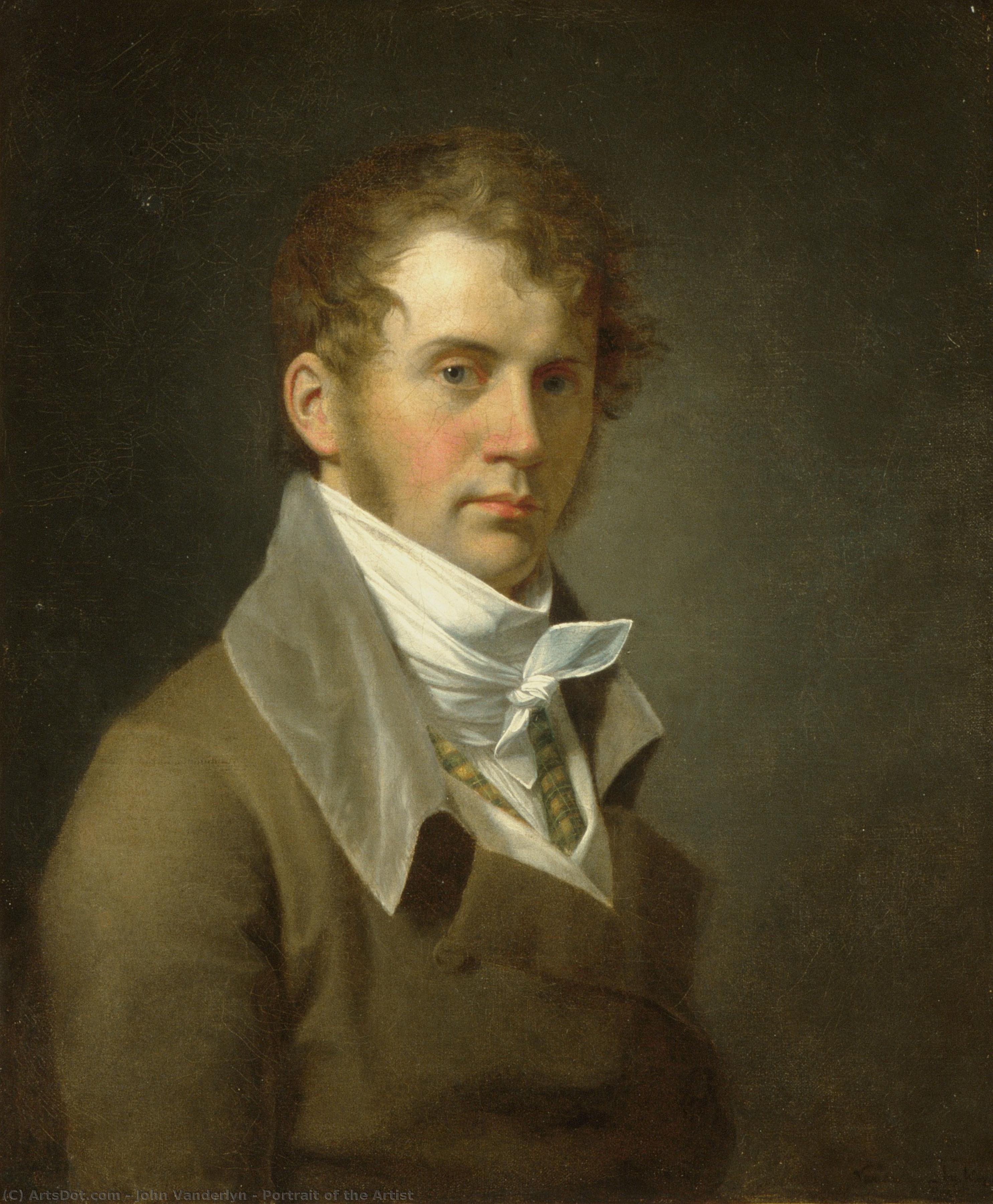
Portrait of the Artist
 Oil On Canvas
- WallArt
- Neoclassicism
 1800
1800- 19th Century
 64.0 x 53.0 cm
 Metropolitan Museum of Art
 Read More
Hand Made Oil Reproduction
Hand-painted oil on canvas in your size and frame, made to order by our artists. ( Buy Print Buy Image)




































Pick from our preset sizes that match the artwork's original proportions.

You may enter your own dimensions to fit a specific frame or space. If your selected size does not match the original image's proportions, we will either crop the artwork or extend the painting with additional hand-painted elements. A digital mockup will be sent for your approval before production begins.
Please note that the on-screen preview does not reflect the actual cropping or extension. Only the mockup will accurately show the final composition.
While custom sizes are available, we recommend selecting a dimension from the predefined list to preserve the original proportions.
After order, ArtsDot.com team will email client for instructions and provide a mockup preview
Worldwide Delivery () in 3/4 weeks instead of standard 5 weeks. (21 August). No compromise on quality.

Free Worldwide Express Shipping

High-Quality Linen Canvas

Full Shipping Insurance

Customs Tax Refund Guarantee

True Color Matching Guarantee

60-Day Return Policy (Defects Only)

100% Money-Back Guarantee

Bulk Discount Offer
 Glass option is only available in size under 110 CM

Portrait of the Artist
Reproduction Medium
Reproduction Size
-


Total Price
$ 263
Artwork Description
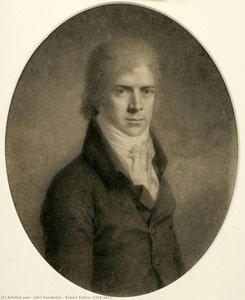
A Gaze Across Centuries: The Ambition of John Vanderlyn
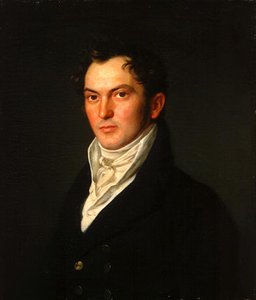
The year is 1800, and Paris is a city vibrating with the electric energy of intellectual rebirth. Amidst the shadows of the French Revolution and the rising influence of Neoclassicism, a young American painter named John Vanderlyn sought to carve his name into the annals of art history. His Self-Portrait, a masterful work now preserved in the American Wing of The Metropolitan Museum of and Art, serves as much more than a mere likeness; it is a profound declaration of identity and artistic intent. In this half-length portrait, Vanderlyn presents himself with an unwavering, direct gaze that speaks of a burgeoning confidence, capturing a moment when the raw talent of the New World met the refined, disciplined traditions of the Old World.
The composition is a triumph of Neoclassical balance, utilizing an oval frame to create a sense of intimate focus and classical harmony. By positioning himself centrally on the axis, Vanderlyn mirrors the symmetry prized by his contemporaries, such as Jacques-Louis David. There is a deliberate stillness in the work, a rejection of the flamboyant, swirling excesses of the preceding Rococo era in favor of something more grounded, more permanent. The subject occupies the space with a quiet dignity, inviting the viewer into a silent dialogue with a man who was actively redefining what it meant to be an American artist on the global stage.
Mastery of Light and Texture
Technically, the portrait is a showcase of Vanderlyn’s rigorous training under the Parisian master François-André Vincent. The artist employs oil on canvas with a precision that breathes life into the inanimate. One cannot help but be captivated by the way light plays across the surface; a dramatic, directional light source originating from the left casts deep, evocative shadows across his features, lending a sculptural depth to his face. This chiaroscuro effect does more than just define form—it imbues the portrait with a sense of psychological complexity, suggesting a soul caught between the bright optimism of youth and a hint of melancholic introspection.
The tactile quality of the painting is equally remarkable. Through subtle, meticulous brushstrokes, Vanderlyn achieves a breathtaking realism in the rendering of textures. The heavy, matte weight of the wool fabric in his coat contrasts beautifully with the smoother, more luminous depiction of skin. Every fold in the drapery and every nuance of light hitting the fabric serves to ground the idealized subject in a tangible reality. For the collector or interior designer, this level of detail ensures that a reproduction of this piece brings not just color, but a sophisticated textural richness to any curated space.
A Legacy of Classical Elegance
Beyond its technical brilliance, the portrait carries a heavy symbolic weight. It represents the bridge between American identity and European sophistication. Vanderlyn was a pioneer, one of the first to look toward Paris rather than London for artistic validation, and this painting embodies that courageous shift. The muted palette of deep browns, creams, and earthy tones lends the work an air of timelessness and formality, making it an ideal centerpiece for environments that value classical elegance and historical depth.
To display a reproduction of this self-portrait is to invite a piece of art history into one's home. It is a work that commands respect through its order and inspires through its soul. Whether placed in a study filled with books or as a focal point in a grand salon, Vanderlyn’s Portrait of the Artist continues to radiate the same transformative power it possessed at the dawn of the nineteenth century—a testament to the enduring allure of the classical ideal.
Related Artworks
Artist Biography
A Pioneer Bridging Worlds: The Life and Art of John Vanderlyn
John Vanderlyn, born in Kingston, New York, on October 15, 1775, occupies a unique position in the narrative of American art. He wasn’t merely a painter; he was a cultural bridge, forging a path for American artists to embrace European training—specifically, the burgeoning Neoclassical style emanating from Paris—rather than defaulting to the established artistic centers of London. His story is one of ambition, talent, and ultimately, a poignant struggle against financial hardship, yet his contributions remain significant in shaping the early landscape of American painting. Vanderlyn’s lineage itself hinted at an artistic destiny; he was the grandson of Pieter Vanderlyn, a respected colonial portraitist, inheriting not just a name but also a foundational understanding of form and representation. Early employment with a New York print seller provided practical exposure to the art world, while initial instruction under Archibald Robinson honed his fundamental skills. However, it was through copying portraits by Gilbert Stuart—and crucially, spending time within Stuart’s studio—that Vanderlyn truly began to cultivate his own portraiture abilities, absorbing the techniques of a master already renowned for capturing likeness and character.Parisian Refinement and the Embrace of Neoclassicism
A pivotal moment arrived in 1796 when Aaron Burr, recognizing Vanderlyn’s potential, dispatched him to Paris to study art. This decision was revolutionary; it marked a deliberate shift away from the traditional British artistic influence that had long dominated American training. For five years, Vanderlyn immersed himself in the Parisian art scene, absorbing the principles of Neoclassicism—an aesthetic movement emphasizing classical forms, order, and thematic content drawn from ancient Greece and Rome. This exposure profoundly shaped his style, instilling a sense of clarity, balance, and idealized beauty into his work. He studied diligently, honing his skills at the *École des Beaux-Arts*, and quickly demonstrated an aptitude for historical painting—a genre considered more prestigious than portraiture at the time. Upon returning to America in 1801, Vanderlyn briefly resided with Aaron Burr and his daughter, continuing to paint portraits while grappling with how best to translate his Parisian training into a distinctly American artistic voice.Major Works and Artistic Versatility
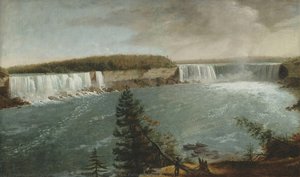
Vanderlyn’s career was remarkably diverse, encompassing portraiture, landscape painting, and even large-scale panoramic works. He secured commissions from prominent figures—James Monroe, John C. Calhoun, and Andrew Jackson all sat for his portraits—and skillfully replicated Gilbert Stuart's iconic Lansdowne portrait of George Washington. However, it was his ventures beyond traditional portraiture that truly distinguished him. In 1802, he created two striking views of Niagara Falls, which were subsequently engraved and published in London, bringing the majesty of the American landscape to a European audience. His ambition reached new heights with *Caius Marius Amid the Ruins of Carthage*, exhibited at the Paris Salon of 1808, where it earned him a coveted gold medal—a testament to his mastery of Neoclassical technique and composition. Later, he experimented with panoramic paintings, including “Panoramic View of the Palace and Gardens of Versailles” (1818-19), demonstrating an innovative approach to immersive art experiences. Perhaps his most historically significant work was *The Landing of Columbus*, commissioned by Congress in 1842 for the U.S. Capitol rotunda. Though controversial—Vanderlyn employed a French artist to assist with its execution—the painting achieved widespread recognition, even being reproduced on US five-dollar banknotes.Legacy and Enduring Significance
John Vanderlyn’s legacy extends beyond his individual artworks. He was a true pioneer, challenging the established norms of American artistic training by championing the study of art in Paris. This opened doors for future generations of artists to explore new influences and develop their own unique styles. His commitment to Neoclassical principles contributed significantly to the development of this aesthetic movement within American art, influencing subsequent painters with its emphasis on form, clarity, and historical subject matter. Furthermore, his paintings served as a visual record of early American history, capturing the likenesses of important figures and depicting pivotal events. As one of the founding members of the National Academy of Design, Vanderlyn played an active role in establishing a professional organization dedicated to promoting American art. Despite facing financial difficulties later in life—he died in relative obscurity on September 23, 1852, in Kingston, New York, and is buried at Wiltwyck Rural Cemetery—his contributions to the development of American painting remain undeniable. He was an artist who dared to look beyond established conventions, embracing innovation and leaving an indelible mark on the cultural landscape of his time.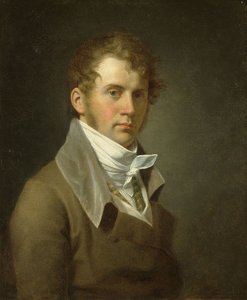
John Vanderlyn
1775 - 1852 , United Kingdom
Quick Facts
- Artistic Movement Or Style: Neoclassicism
- Artists Or Movements Influenced By This Artist: ['American Neoclassicism']
- Artists Who Influenced This Artist: ['Gilbert Stuart']
- Date Of Birth: October 15, 1775
- Date Of Death: September 23, 1852
- Full Name: John Vanderlyn
- Nationality: American
- Notable Artworks:
- The Landing of Columbus
- Niagara Falls Views
- Caius Marius Amid the Ruins
- Panoramic View Versailles
- Place Of Birth: Kingston, New York
Related Articles
John Singer Sargent's 25 Masterpieces: Portraits & Beyond | ArtsDot
Explore 25 iconic John Singer Sargent paintings – from dazzling portraits to Impressionist landscapes. Discover the stories behind Madame X, El Jaleo & more! Find museum-quality art reproductions and elevate your home decor with ArtsDot.com.

John Constable's Masterpieces: Explore 25 Iconic Landscapes for Your Home
Journey through John Constable's 25 most celebrated landscapes. Explore Romanticism, Dedham Vale & his masterful use of light in iconic paintings like 'Hay Wain'. Find museum-quality art reproductions and elevate your home decor on ArtsDot.com.

Grant Wood & American Regionalism: Identity, Myth & the Rural Landscape
Explore the world of Grant Wood & American Regionalism with ArtsDot. Discover the symbolism behind 'American Gothic', recurring themes, and the movement's lasting impact on art history. High-quality reproductions available.
American Realism's Defining Works: 10 Masterpieces for Your Home
Explore 10 defining American Realism masterpieces – Hopper, Homer & more. Discover the stories behind these iconic paintings and bring timeless art to your home with ArtsDot's museum-quality reproductions. Explore the full collection online.
John George Brown: Capturing American Life & Sentiment in 19th-Century Genre Painting
Explore the captivating genre paintings of John George Brown, celebrated for his realistic depictions of 19th-century American life. Discover his legacy & find museum-quality reproductions at ArtsDot.