 Preview
 Send
Send Share
Share
 Details

 Download
 Similars
 X-Ray
X-Ray Diaporama
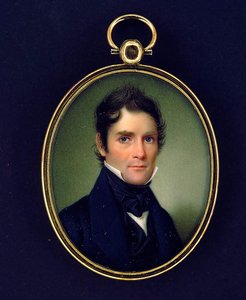
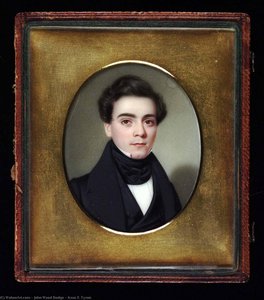
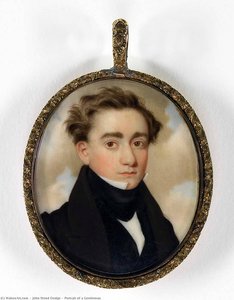
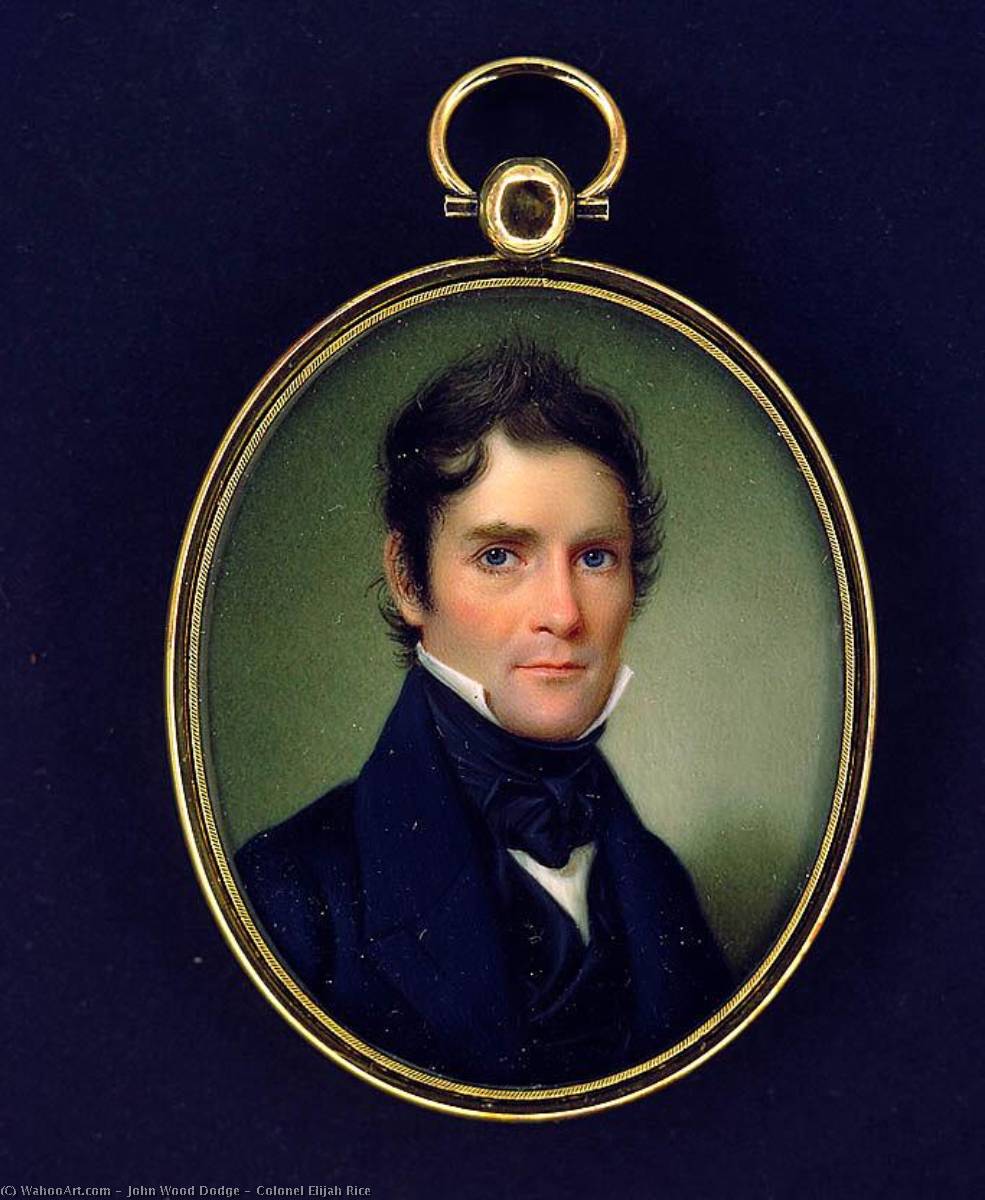
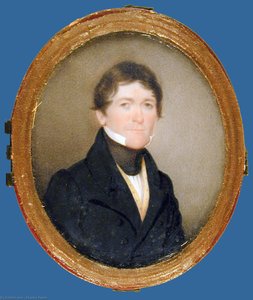
Colonel Elijah Rice
 1839
1839 6.0 x 5.0 cm
 Read More
Hand Made Oil Reproduction
Hand-painted oil on canvas in your size and frame, made to order by our artists. ( Buy Print Buy Image)




































Pick from our preset sizes that match the artwork's original proportions.

You may enter your own dimensions to fit a specific frame or space. If your selected size does not match the original image's proportions, we will either crop the artwork or extend the painting with additional hand-painted elements. A digital mockup will be sent for your approval before production begins.
Please note that the on-screen preview does not reflect the actual cropping or extension. Only the mockup will accurately show the final composition.
While custom sizes are available, we recommend selecting a dimension from the predefined list to preserve the original proportions.
After order, ArtsDot.com team will email client for instructions and provide a mockup preview
Worldwide Delivery () in 3/4 weeks instead of standard 5 weeks. (17 August). No compromise on quality.

Free Worldwide Express Shipping

High-Quality Linen Canvas

Full Shipping Insurance

Customs Tax Refund Guarantee

True Color Matching Guarantee

60-Day Return Policy (Defects Only)

100% Money-Back Guarantee

Bulk Discount Offer
 Glass option is only available in size under 110 CM

Colonel Elijah Rice
Reproduction Medium
Reproduction Size
-


Total Price
$ 263
Related Artworks
Artist Biography
A Glimpse into Antebellum Society: The World of John Wood Dodge
John Wood Dodge, born in 1807 and passing in 1893, occupies a fascinating, if often overlooked, niche within the pantheon of American portrait miniaturists. While not possessing the widespread renown of his contemporaries like Gilbert Stuart or Charles Balthazar Julien Févret de Saint-Mémin, Dodge’s work provides an invaluable window into the lives and sensibilities of the Southern elite during a period of immense social and political transformation. His career unfolded primarily in Nashville, Tennessee, a city burgeoning with wealth derived from cotton cultivation and steeped in a complex tapestry of ambition, tradition, and impending conflict. Dodge wasn't merely recording likenesses; he was capturing an era – its aspirations, its anxieties, and the carefully constructed image it projected to posterity. He became, in essence, a visual chronicler of a vanishing world.Early Life and Artistic Training
Details surrounding Dodge’s early life remain somewhat scarce, a common challenge when researching artists who operated outside the major artistic hubs of New York or Boston. It is known that he received his initial training in Philadelphia, a center for miniature painting at the time. This foundational education instilled in him a meticulous attention to detail and a mastery of watercolor techniques – skills crucial for achieving the delicate realism characteristic of the genre. The influence of early American miniaturists like Henry Inman is subtly present in Dodge’s work, particularly in his use of soft lighting and refined brushwork. However, Dodge quickly developed a distinctive style, marked by a heightened sense of psychological insight and an ability to convey personality beyond mere physical resemblance. He established himself in Nashville around the 1830s, capitalizing on the city's growing prosperity and the demand for portraits among its affluent citizenry.The Portraiture of Power and Privilege
Dodge’s clientele read like a who’s who of Tennessee society. Planters, politicians, military leaders, and their families flocked to his studio seeking immortalization in miniature form. His most celebrated commissions included portraits of Andrew Jackson, the iconic “Old Hickory,” and members of Jackson's extended family. These depictions are not simply flattering representations; they reveal a keen understanding of character. Dodge’s Jackson portraits, for example, convey both the president’s formidable strength and his underlying vulnerability – a nuanced portrayal that transcends simple hero-worship. Beyond Jackson, Dodge painted numerous prominent Nashville figures, documenting their status and social standing with painstaking accuracy. His miniatures often feature elaborate detailing of clothing, jewelry, and accessories, reflecting the wealth and refinement of his sitters.- Technical Mastery: Dodge’s skill lay in his ability to render incredibly lifelike portraits on a diminutive scale, utilizing layers of watercolor to achieve subtle gradations of tone and texture.
- Psychological Depth: He wasn't content with superficial likenesses; he sought to capture the inner character of his subjects, imbuing his miniatures with personality and emotion.
- Social Commentary (Implicit): While not overtly political, Dodge’s portraits offer a glimpse into the values and lifestyles of the Southern aristocracy on the eve of the Civil War.
The Legacy of a Nashville Artist
John Wood Dodge's work stands as a testament to the enduring power of portraiture. His miniatures are more than just beautiful objects; they are historical documents, offering invaluable insights into the lives and beliefs of a bygone era. As the South hurtled towards secession and civil war, Dodge continued to paint, documenting the faces of those who would soon be caught in the maelstrom of conflict. While his name may not be as widely recognized as some of his contemporaries, his contribution to American art is significant. He preserved a visual record of a society on the cusp of change, capturing its elegance, its contradictions, and its ultimate fragility. His miniatures serve as poignant reminders of a world lost – a world defined by both grandeur and injustice. His work continues to be sought after by collectors and scholars alike, ensuring that his legacy will endure for generations to come.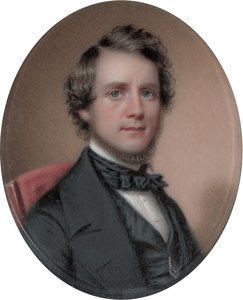
john wood dodge
1807 - 1893