 Preview
 Send
Send Share
Share
 Details

 Download
 Similars
 X-Ray
X-Ray Diaporama
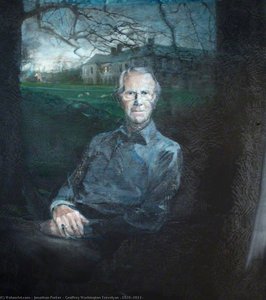
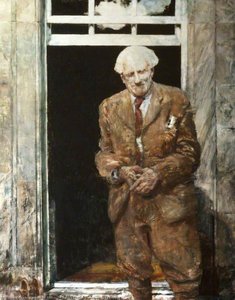
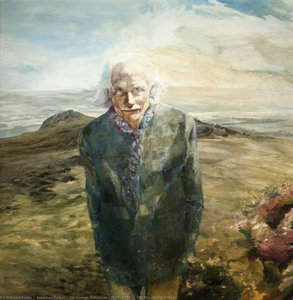
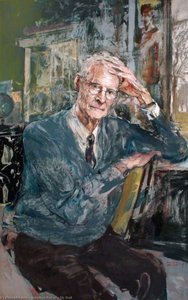
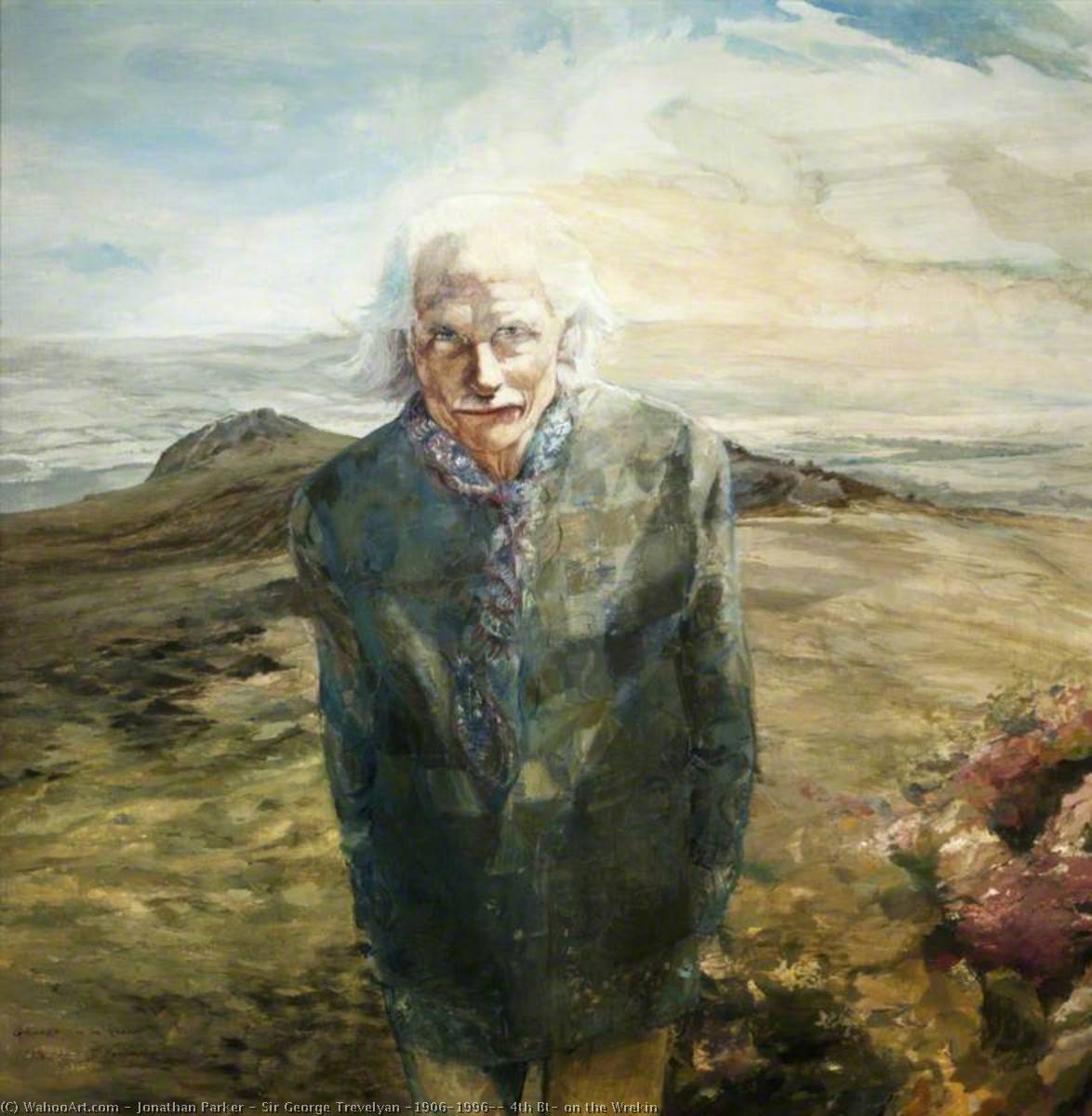
Sir George Trevelyan (1906–1996), 4th Bt, on the Wrekin
 1997
1997 125.0 x 120.0 cm
 Народний закуток Воллінґтон
 Read More
Giclée / Art Print
Museum-quality giclée or canvas print with fast production and flexible finish options. ( Buy Hand Made Painting Buy Image)




































Pick from our preset sizes that match the artwork's original proportions.

You may enter your own dimensions to fit a specific frame or space. If your selected size does not match the original image's proportions, we will either crop the artwork or extend the image with a mirrored or solid-fill edge. A digital mockup will be sent for your approval before production begins.
Please note that the on-screen preview does not reflect the actual cropping or extension. Only the mockup will accurately show the final composition.
While custom sizes are available, we recommend selecting a dimension from the predefined list to preserve the original proportions.
Worldwide Delivery () in 2 weeks instead of standard 4/5 weeks. (25 August)

Free Worldwide Express Shipping

High-Quality Linen Canvas

Full Shipping Insurance

Customs Tax Refund Guarantee

True Color Matching Guarantee

60-Day Return Policy (Defects Only)

100% Money-Back Guarantee

Bulk Discount Offer
 Glass option is only available in size under 110 CM

Sir George Trevelyan (1906–1996), 4th Bt, on the Wrekin
Giclée / Art Print
Reproduction Size
-


Total Price
$ 63
Related Artworks









Artist Biography
The Soul in the Surface: The Artistry of Jonathan Parker
In the quiet, evocative realm of contemporary portraiture, few artists command the viewer's attention with such profound psychological depth as Jonathan Parker. Born in Belfast in 1968 and raised amidst the suburban landscapes of Twickenham, Middlesex, Parker’s journey is one defined by a relentless pursuit of the human essence. His artistic lineage is a tapestry woven from diverse geographical and academic influences, stretching from his early training at King’s College School, Wimbledon, to the rigorous creative atmosphere of the Camberwell School of Arts and Crafts in London. This foundation as a fine draughtsman allowed him to master the structural nuances of the human form, yet it was his later wanderings—including a transformative period in Zaragoza, Spain, where he embraced the spontaneity of plein air painting—that infused his work with a unique sensitivity to light and atmosphere.
Parker’s technical evolution is marked by an extraordinary ability to blend traditional mastery with experimental textures. While many contemporary artists lean toward abstraction, Parker remains anchored in the tradition of figurative realism, yet he transcends mere likeness through a sophisticated use of medium. He is renowned for his meticulous creation of oil paintings on muslin stretched over wood, a technique that lends a tactile, organic quality to his subjects. By integrating elements such as encaustic wax into his oil layers, he achieves a luminous depth that seems to radiate from within the canvas itself. This layering process does more than create visual interest; it mirrors the complexity of the human psyche, suggesting that beneath every visible expression lies a hidden reservoir of memory and emotion.
Themes of Identity and Connection
The heart of Parker’s oeuvre lies in his ability to transform the portrait from a static image into a narrative vessel. His celebrated series, “My Dad,” serves as a poignant exploration of familial bonds, vulnerability, and the indelible marks left by lineage. In these works, Parker moves beyond the superficiality of a face to capture the weight of history and the intimacy of connection. This dedication to psychological realism places him in conversation with masters such as Rembrandt and Lucian Freud, artists who famously prioritized the inner state of being over mere anatomical accuracy. Whether he is rendering the subtle tension in a gesture or the melancholic light in an eye, Parker’s subjects possess a palpable presence that invites the viewer into a silent dialogue.
Beyond the intimate sphere of family, Parker has demonstrated a remarkable versatility in his subject matter. His explorations have ranged from the rhythmic vitality of the River Thames—captured in his River Collection—to more speculative and culturally resonant portraits. There is an inherent storytelling quality to his work; even when he utilizes photographs as a structural starting point, the final image emerges from a place of deep intuition. This ability to breathe life into the unknown allows his paintings to function as biographical windows, where each brushstroke contributes to a larger, unwritten history of the individual portrayed.
Legacy and Artistic Recognition
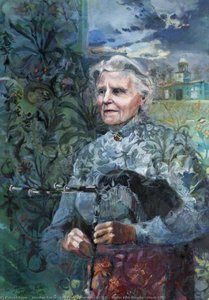
Throughout his career, Parker’s contributions to the fine art world have been recognized through prestigious accolades and significant exhibitions. His early promise was cemented when he was named the winner of The Royal Academy Richard Ford Award, a distinction that signaled his arrival as a formidable talent in the London art scene. His exhibition history is equally impressive, spanning from solo shows at the Mercury Gallery in Mayfair to large-scale installations such as the nine-year engagement with Lloyds Private Bank. Furthermore, his work has found a permanent home in esteemed collections, including notable pieces held by the National Trust, where his portraits of the Trevelyan family have been viewed by millions.
The significance of Jonathan Parker’s work lies in its refusal to retreat from the complexities of human emotion. In an era often dominated by digital detachment, his paintings serve as a profound reminder of the power of the physical mark and the enduring relevance of the human face. Through his mastery of texture, light, and psychological insight, Parker continues to bridge the gap between the seen and the felt, ensuring that his portraits remain not just images of people, but enduring monuments to the human spirit.
jonathan parker
1968 -
Quick Facts
- Artistic Movement Or Style: Contemporary Portraiture
- Date Of Birth: Living
- Full Name: Jonathan Parker
- Notable Artworks: ['My Dad Series']