

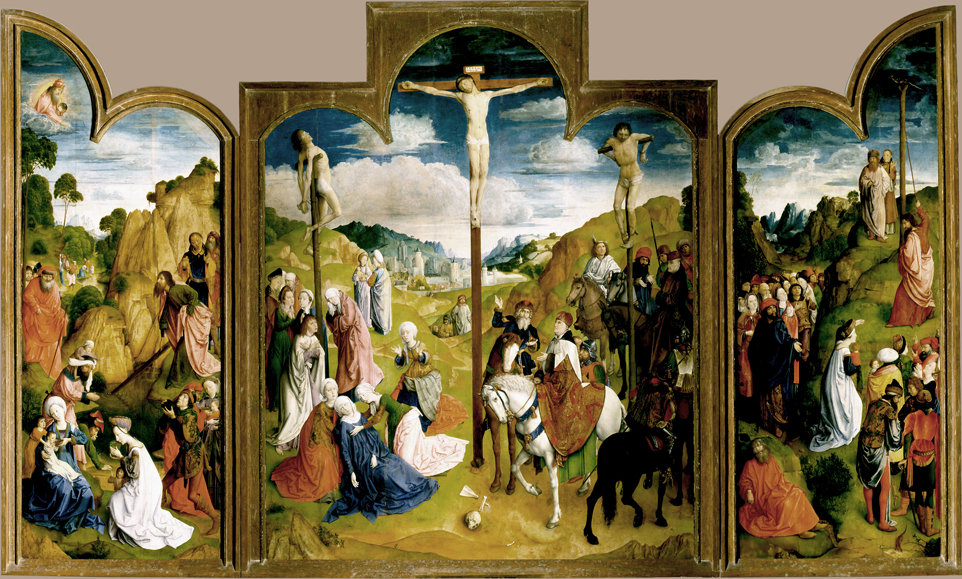
 Preview
 Send
Send Share
Share
 Details

 Download
 Similars
 X-Ray
X-Ray Diaporama
St. bavo cathedral
 Read More
Purchase a high-resolution, enhanced digital image, far superior to the online preview.
Each file is meticulously prepared by our in-house specialists using advanced tools and expert manual retouching. We ensure every image has exceptional clarity, precise color accuracy, and fine detail.
The final file is delivered via email within 72 hours, optimized for immediate use in professional, editorial, and print environments. This is the same quality trusted by top-tier design studios, publishers, and galleries.
Digital Image
Download a high-resolution file for personal display, printing, and creative projects. ( Buy Print Buy Hand Made Painting)
Included in Every Digital Image Order
Expert Digital Delivery, Guaranteed
When you choose ArtsDot.com, you're not just getting an image - you're receiving a professionally enhanced digital artwork, crafted with precision and backed by a satisfaction guarantee. Here's everything that comes with your order, automatically:

Fast Email Delivery
Your high-resolution digital image file will be emailed to you within 72 hours of ordering - ready for immediate use.

AI-Enhanced Digital File
Your artwork is professionally optimized using advanced AI tools and manual editing, ensuring maximum detail, clarity, and color accuracy.

Free Lifetime Re-Delivery
Accidentally deleted or lost your file? No worries - we'll resend it to you anytime, free of charge.

No Import Fees - Ever
Enjoy your artwork instantly with zero customs, duties, or delivery fees - digital downloads are always tax-free.

Color Accuracy Guarantee
We ensure your digital image reflects the original colors as closely as possible using professional tools and color management.

60-Day Satisfaction Guarantee
If you're not satisfied with your digital image, we'll revise it or refund 100% within 60 days - no questions asked.

100% Money-Back Guarantee
Not satisfied? Get a full refund within 60 days of receiving your digital file - no questions asked.

Bulk Order Discounts
Buy 3 images, save 10% - Buy 5, save 15% - Buy 10+, save 20%. Great for creative projects, galleries, and agencies.
Related Artworks
Artist Biography
Joos van Wassenhove (Giusto da Guanto): A Flemish Renaissance Master
Joos van Wassenhove, often referred to as Giusto da Guanto – a name derived from his birthplace in Ghent – stands as a pivotal figure within the burgeoning artistic landscape of Early Netherlandish painting during the Renaissance. Though definitive biographical details remain elusive, scholarly consensus points to him as a prolific artist active primarily between 1460 and 1480, leaving behind an impressive legacy of portraits and religious altarpieces that continue to captivate audiences today.Early Life and Artistic Training
Information regarding Giusto’s formative years is scant. He was born in Ghent around 1430, a city renowned for its vibrant textile industry and burgeoning artistic patronage. Precise details about his family background are unknown, but he apprenticed under Jan van Eyck, arguably the most celebrated painter of his era – a connection that undeniably shaped his artistic sensibilities. Van Eyck’s meticulous realism, combined with an innovative use of oil paint, instilled in Giusto a dedication to capturing visual detail and conveying profound emotional depth—principles that would permeate his subsequent oeuvre.Notable Works: Symbolism and Technique
Giusto’s artistic output is characterized by a masterful blend of stylistic influences, primarily stemming from Italian Renaissance humanism. His paintings frequently incorporate classical motifs – figures of Aristotle and Plato – reflecting the humanist fascination with Greco-Roman philosophy and aesthetics. However, Giusto never abandons the distinctive visual language of Early Netherlandish painting. He employs flattened perspectives, subdued color palettes dominated by earthy tones, and a deliberate avoidance of illusionistic depth to create compositions that prioritize symbolic meaning over mere optical realism. Consider his monumental altarpiece depicting The Institution of the Eucharist (circa 1465), housed in St Janskathedraal Ghent. This masterpiece exemplifies Giusto’s technical prowess and artistic vision. The painting's austere setting—a starkly lit chapel—contrasts sharply with the richly ornamented figures adorning the altar, symbolizing the spiritual transcendence sought by worshippers. Giusto skillfully utilizes chiaroscuro – dramatic contrasts between light and shadow – to sculpt the drapery of Christ and Mary Magdalene, conveying a palpable sense of solemnity and reverence. The meticulous detail in depicting the instruments of communion—the chalice, paten, and wine cruet—underscores the painting’s profound theological significance.Influence and Legacy
Giusto da Guanto's artistic innovations resonated throughout the Flemish art world and beyond. He served as a teacher to several prominent artists, including Rogier van der Weyden and Hans Memling, ensuring that his stylistic principles were disseminated across generations of painters. His influence extended into the realm of iconography—the visual representation of religious beliefs—where he championed a restrained yet emotionally resonant approach that distinguished him from more flamboyant contemporaries. Giusto’s enduring contribution to Renaissance art lies not merely in his technical skill but also in his ability to imbue his paintings with spiritual contemplation and intellectual sophistication. He remains an exemplar of the humanist ideal – blending artistic excellence with moral seriousness—a testament to the transformative power of art during a period of profound cultural change.Further Exploration
For deeper insights into Giusto’s life and work, consult scholarly publications focusing on Flemish Renaissance painting and iconography. Examining comparative studies between Giusto's style and that of Italian masters like Piero della Francesca can illuminate the broader artistic currents shaping European culture in the mid-fifteenth century.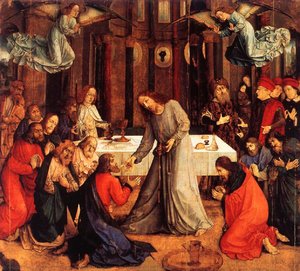
joos van wassenhove (giusto da guanto)
1430 - 1480
Quick Facts
- Artistic Movement Or Style: Early Netherlandish
- Artists Or Movements Influenced By This Artist: ['Renaissance art']
- Artists Who Influenced This Artist:
- Rogier van der Weyden
- Hugo van der Goes
- Date Of Death: 1480
- Full Name: Joos van Wassenhove
- Nationality: Flemish
- Notable Artworks:
- The Institution of the Eucharist
- Aristotle painting
- Place Of Birth: Ghent, Belgium

