

 Preview
 Send
Send Share
Share
 Details

 Download
 Similars
 X-Ray
X-Ray Diaporama
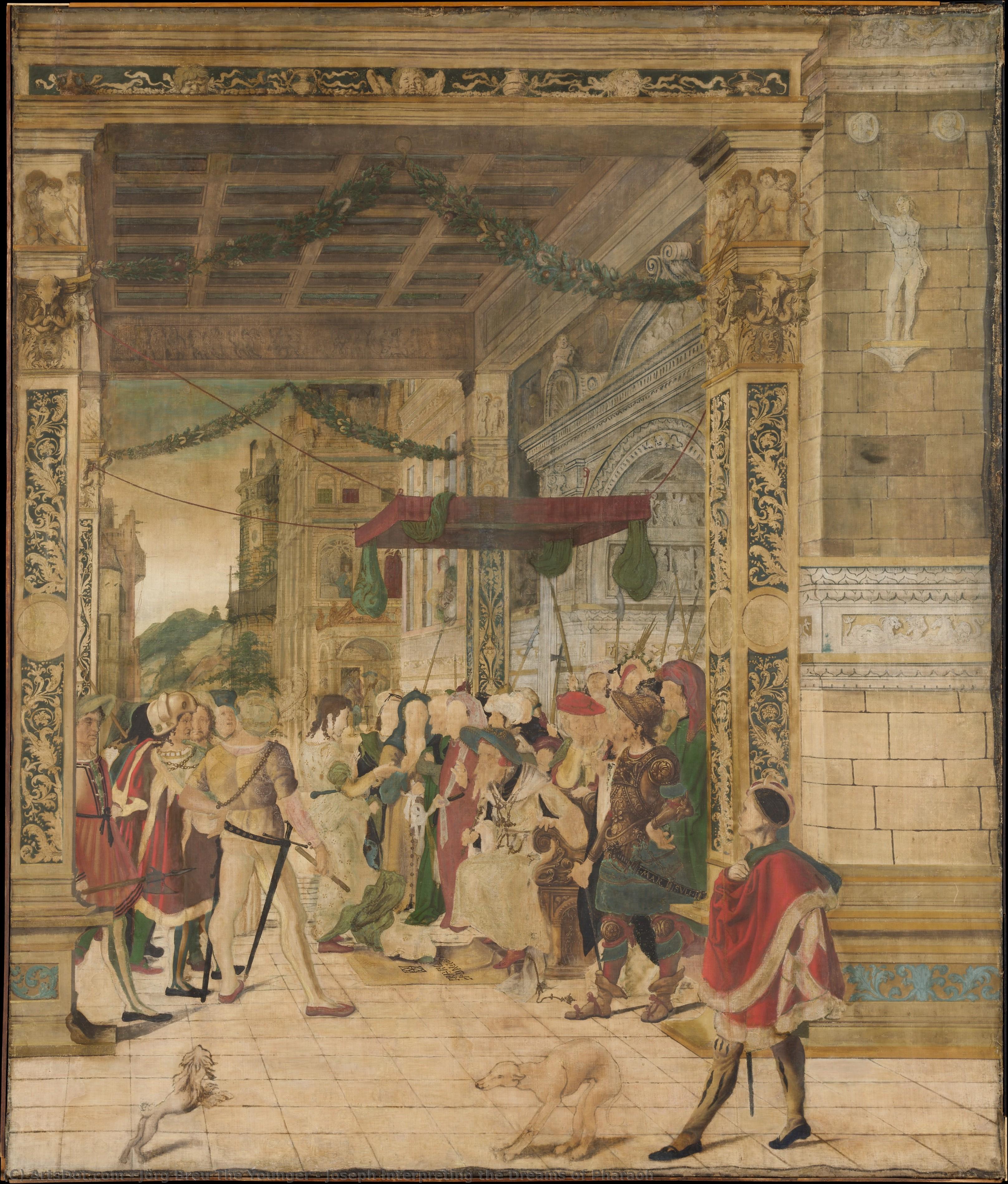
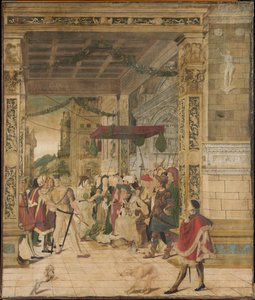
Joseph Interpreting the Dreams of Pharaoh
 Oil On Canvas
- WallArt
- Renaissance Early Renaissance
 1534
1534- Renaissance
 172.0 x 145.0 cm
 Metropolitan Museum of Art
 Read More
Purchase a high-resolution, enhanced digital image, far superior to the online preview.
Each file is meticulously prepared by our in-house specialists using advanced tools and expert manual retouching. We ensure every image has exceptional clarity, precise color accuracy, and fine detail.
The final file is delivered via email within 72 hours, optimized for immediate use in professional, editorial, and print environments. This is the same quality trusted by top-tier design studios, publishers, and galleries.
Digital Image
Download a high-resolution file for personal display, printing, and creative projects. ( Buy Print Buy Hand Made Painting)
Included in Every Digital Image Order
Expert Digital Delivery, Guaranteed
When you choose ArtsDot.com, you're not just getting an image - you're receiving a professionally enhanced digital artwork, crafted with precision and backed by a satisfaction guarantee. Here's everything that comes with your order, automatically:

Fast Email Delivery
Your high-resolution digital image file will be emailed to you within 72 hours of ordering - ready for immediate use.

AI-Enhanced Digital File
Your artwork is professionally optimized using advanced AI tools and manual editing, ensuring maximum detail, clarity, and color accuracy.

Free Lifetime Re-Delivery
Accidentally deleted or lost your file? No worries - we'll resend it to you anytime, free of charge.

No Import Fees - Ever
Enjoy your artwork instantly with zero customs, duties, or delivery fees - digital downloads are always tax-free.

Color Accuracy Guarantee
We ensure your digital image reflects the original colors as closely as possible using professional tools and color management.

60-Day Satisfaction Guarantee
If you're not satisfied with your digital image, we'll revise it or refund 100% within 60 days - no questions asked.

100% Money-Back Guarantee
Not satisfied? Get a full refund within 60 days of receiving your digital file - no questions asked.

Bulk Order Discounts
Buy 3 images, save 10% - Buy 5, save 15% - Buy 10+, save 20%. Great for creative projects, galleries, and agencies.
Collectible Description
A Vision from Ancient Egypt Meets Renaissance Splendor
To gaze upon this depiction of Joseph Interpreting the Dreams of Pharaoh is to step across the threshold of time itself. The scene pulses with narrative weight, capturing a moment of profound divine revelation set against the backdrop of ancient Egyptian royalty. Yet, the execution—the very manner in which the figures are rendered and placed within what appears to be anachronistic Renaissance palace architecture—creates a fascinating dialogue between epochs. We see the gravity of prophecy meeting the refined artistry of the early sixteenth century. The composition is richly populated; Pharaoh sits amidst his court, while Joseph stands as the conduit for divine understanding. The sheer number of figures, coupled with the inclusion of domestic animals like horses and dogs scattered throughout the foreground, suggests a bustling, vital moment where destiny unfolds in plain sight.
Mastery in Medium: A Study in Early Canvas Technique
The technical aspects of this piece speak volumes about the artistic challenges and innovations of its time. Executed around 1534 by Jörg Breu the Younger, the work showcases a delicate handling of materials. The description notes that the painting was rendered using a water-based medium on ungrounded fine-weave canvas, a technique known to the Germans as Tüchlein. This choice offered an economical and lightweight alternative to the monumental scale of panel paintings or tapestries, allowing artists like Breu to pursue grand narratives on more portable supports. While this early adoption of oil on canvas presented vulnerabilities—the surface being susceptible to moisture damage—it speaks to the ambition of the artist to capture a large-scale vision with newfound material flexibility. The overall subdued tonality and matte finish lend an air of historical authenticity, inviting close contemplation.
Symbolism and Narrative Depth
At its heart, this artwork is a meditation on divine providence and human interpretation. The story of Joseph is one of unparalleled struggle, betrayal, and ultimate exaltation—a potent allegory for resilience. Pharaoh’s dreams, the catalyst for the entire scene, carry the weight of national fate, while Joseph's role is that of the divinely appointed interpreter. Symbolically, the presence of so many figures suggests a community gathered at a pivotal moment of transition. The decorative elements, such as the clock in the upper-right corner and the various vessels placed throughout the space, anchor the narrative within a tangible, if historically blended, reality. These details invite the viewer to search for meaning, connecting the timeless struggle between man and fate with the specific cultural markers of the Renaissance.
An Echo for the Modern Collector
For the collector or designer seeking an object imbued with historical gravitas and narrative power, this reproduction offers a unique confluence of styles. It is not merely a depiction of scripture; it is a testament to artistic adaptation—a moment where deep biblical storytelling was translated through the sophisticated lens of Northern Renaissance craftsmanship. The intricate detail, from the placement of the five horses to the quiet dignity of Joseph’s posture, ensures that even in reproduction, the viewer feels connected to the painstaking labor and profound belief systems of Jörg Breu the Younger. Owning this piece is acquiring a conversation starter, a richly textured narrative centerpiece that speaks eloquently of enduring human drama.
Related Artworks
![Legend Of St Francis - [03] - Dream Of The Palace — Giotto Di Bondone, Gothic](/media/artworks/images-thumb/47/85/4785472aa265f95fe6962555859f4ab5.jpg)
Artist Biography
early life and collaborations
jörg breu the younger, a painter from augsburg, germany, lived from approximately 1510 to 1547. as the son of jörg breu the elder, he was deeply rooted in the artistic traditions of his family. breu's early work involved collaborations with his father on various projects, which helped shape his skills and style.notable works and contributions
during the 1540s, jörg breu the younger was involved in creating the fechtbucher, commissioned by paulus hector mair. this project showcased his ability to work on large-scale, intricate pieces. additionally, breu worked on wood carvings, known as lebenstreppen, in collaboration with cornelis anthonisz.artistic legacy and influence
breu's contributions to augsburg's artistic scene are still celebrated today. his work can be found in various museums, including the kunstsammlungen und museen augsburg, which is a cultural treasure in augsburg, germany /en/art/show/art-d3b449-en/ although his life was cut short in 1547, breu's influence on subsequent generations of artists is undeniable.key points about jörg breu the younger:
- lived from approximately 1510 to 1547
- collaborated with his father, jörg breu the elder, on various projects
- involved in creating the fechtbucher commissioned by paulus hector mair
- worked on wood carvings, known as lebenstreppen, with cornelis anthonisz
- contributes to augsburg's artistic heritage, with work featured in the kunstsammlungen und museen augsburg
jörg breu the younger
1547 , Germany
Quick Facts
- Artistic Movement Or Style: Renaissance
- Artists Or Movements Influenced By This Artist: ['Augsburg Art History']
- Artists Who Influenced This Artist: ['Jörg Breu the Elder']
- Date Of Death: 1547
- Full Name: Jörg Breu the Younger
- Nationality: German
- Notable Artworks:
- Fechtbucher
- Lebenstreppen
- Joseph Interpreting the Dreams of Pharaoh
- Place Of Birth: Augsburg, Germany

