

 Send
Send Share
Share
 Details

 Download
 Similars
 Diaporama
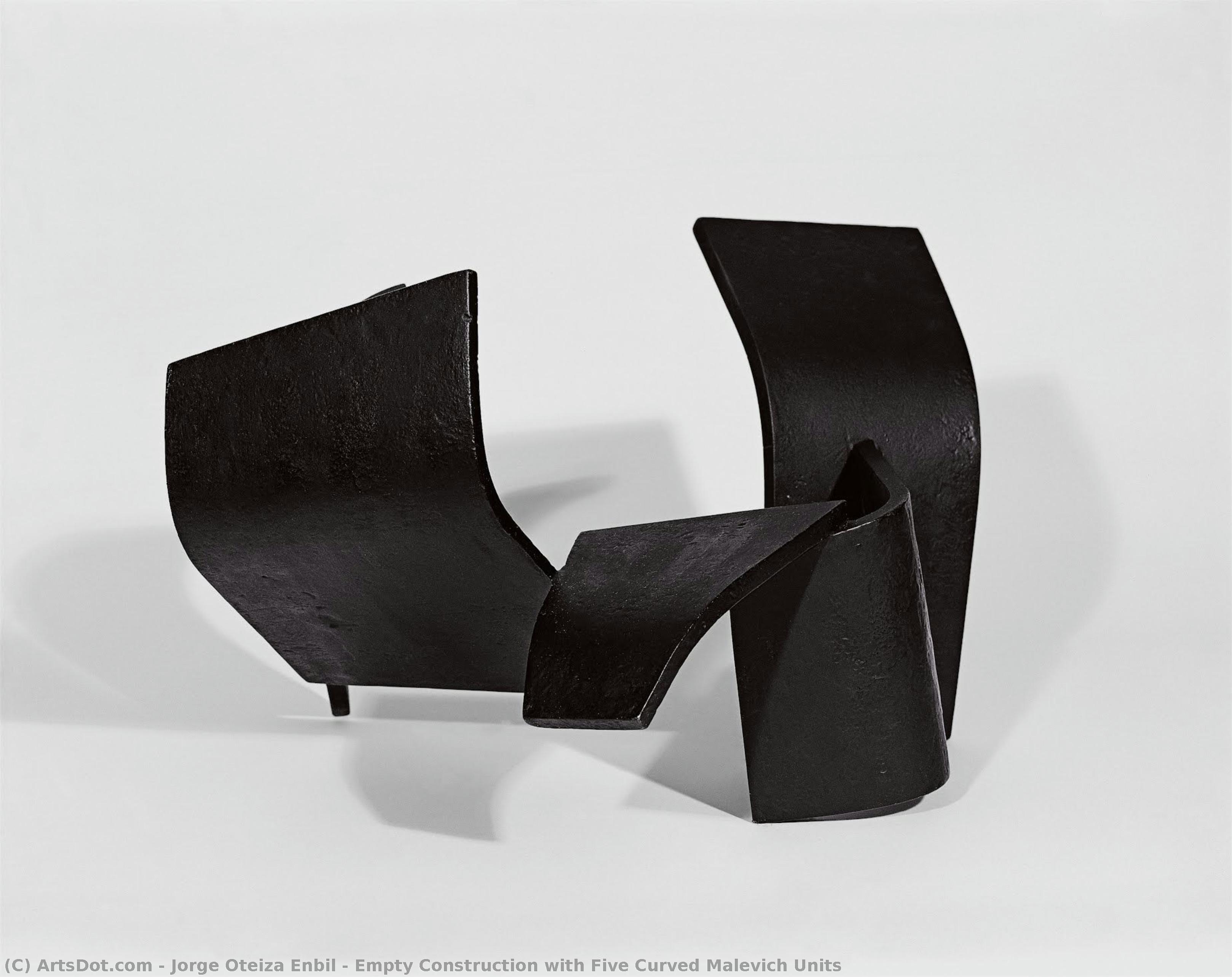
Empty Construction with Five Curved Malevich Units
 Sculpture Bronze
- Sculpture
- Abstract Sculpture
 1957
1957 34.0 x 40.0 cm
 Guggenheim Museum Bilbao
 Read More
Purchase a high-resolution, enhanced digital image, far superior to the online preview.
Each file is meticulously prepared by our in-house specialists using advanced tools and expert manual retouching. We ensure every image has exceptional clarity, precise color accuracy, and fine detail.
The final file is delivered via email within 72 hours, optimized for immediate use in professional, editorial, and print environments. This is the same quality trusted by top-tier design studios, publishers, and galleries.
Digital Image
Download a high-resolution file for personal display, printing, and creative projects. ( Buy Print Buy Hand Made Painting)
Included in Every Digital Image Order
Expert Digital Delivery, Guaranteed
When you choose ArtsDot.com, you're not just getting an image - you're receiving a professionally enhanced digital artwork, crafted with precision and backed by a satisfaction guarantee. Here's everything that comes with your order, automatically:

Fast Email Delivery
Your high-resolution digital image file will be emailed to you within 72 hours of ordering - ready for immediate use.

AI-Enhanced Digital File
Your artwork is professionally optimized using advanced AI tools and manual editing, ensuring maximum detail, clarity, and color accuracy.

Free Lifetime Re-Delivery
Accidentally deleted or lost your file? No worries - we'll resend it to you anytime, free of charge.

No Import Fees - Ever
Enjoy your artwork instantly with zero customs, duties, or delivery fees - digital downloads are always tax-free.

Color Accuracy Guarantee
We ensure your digital image reflects the original colors as closely as possible using professional tools and color management.

60-Day Satisfaction Guarantee
If you're not satisfied with your digital image, we'll revise it or refund 100% within 60 days - no questions asked.

100% Money-Back Guarantee
Not satisfied? Get a full refund within 60 days of receiving your digital file - no questions asked.

Bulk Order Discounts
Buy 3 images, save 10% - Buy 5, save 15% - Buy 10+, save 20%. Great for creative projects, galleries, and agencies.
Collectible Description
Empty Construction with Five Curved Malevich Units
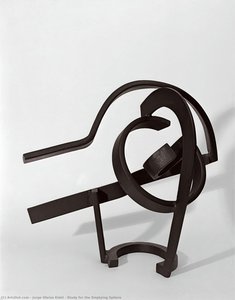
Jorge Oteiza’s “Empty Construction with Five Curved Malevich Units,” created in 1957, stands as a cornerstone of Basque abstract sculpture and embodies the profound influence of Henry Moore's minimalist aesthetic. This striking piece resides within the Guggenheim Museum Bilbao’s collection, offering visitors an opportunity to immerse themselves in the artist’s groundbreaking exploration of form and spatial relationships.The Sculpture's Essence
At its core, “Empty Construction” presents a deceptively simple composition: five dark-colored geometric forms—primarily cylindrical—arranged on a matte gray surface. Crafted from forged steel, the sculpture eschews representational imagery entirely, prioritizing pure abstraction as championed by Malevich and Mondrian. The rough texture of the material contributes to an overall sense of materiality and physicality, grounding the artwork in tangible reality despite its conceptual nature. Its deliberate asymmetry speaks to Oteiza’s fascination with dynamism and movement—a concept he termed “experimental purpose,” reflecting his belief that artistic practice originates from a void brimming with potential.Influences and Conceptual Framework
Oteiza's artistic vision was deeply shaped by encounters with masters like Kandinsky, Mondrian, and Malevich during his formative years in South America. These artists’ explorations of color, geometric abstraction, and spiritual contemplation served as inspiration for Oteiza’s own conceptual framework—the notion that art derives its expressive power from confronting emptiness and embracing the transformative process of “desocupación,” or emptying out form. This approach aligns with a broader trend toward minimalist sculpture, characterized by reductive shapes and a focus on spatial voids.Technique and Material Considerations
The sculpture’s creation involved meticulous forging techniques—a method that ensures sharp edges and precise planes—resulting in an artwork that exudes stability and understated elegance. The artist deliberately utilized the cube as his primary geometric form, recognizing its capacity to represent both solidity and emptiness simultaneously. Furthermore, Oteiza's exploration of “experimental families” – a series of models designed to investigate fundamental sculptural problems – underscores his commitment to rigorous experimentation and conceptual refinement. The resulting piece is not merely an aesthetically pleasing object but also a testament to the artist’s intellectual engagement with artistic theory and practice.Symbolic Resonance
“Empty Construction” transcends its formal qualities, hinting at deeper symbolic meanings related to spirituality and contemplation. As Oteiza himself articulated, art emerges from “a void that is nothing yet eventually reaches a Nothing that is Everything,” mirroring the cyclical nature of existence and inviting viewers to consider the significance of emptiness as a catalyst for creative transformation. The sculpture’s placement on a gray surface reinforces this visual metaphor—representing neutrality and openness—further enhancing its contemplative impact.Concluding Remarks
Jorge Oteiza's “Empty Construction with Five Curved Malevich Units” remains an enduring emblem of Basque abstract art, demonstrating the transformative potential of minimalist form and conceptual exploration. Its meticulous craftsmanship, coupled with its profound symbolic resonance, continues to inspire artists and collectors alike—solidifying its place as a masterpiece within the Guggenheim Museum Bilbao’s celebrated collection.Related Artworks
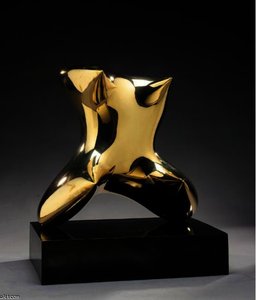
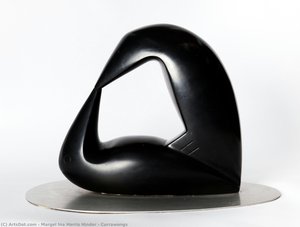
Artist Biography
Jorge Oteiza: Life and Legacy
Early Life and Education
- Born: Jorge de Oteiza Embil on October 21, 1908, in Orio, Gipuzkoa, Spain.
- Oteiza’s early life was marked by a strong connection to his Basque heritage and the surrounding landscape. This would profoundly influence his artistic vision.
- He initially pursued studies in architecture but soon gravitated towards sculpture and painting.
Years in South America (1935-1948)
- Exile and Artistic Development: In 1935, anticipating the Spanish Civil War, Oteiza moved to Buenos Aires, Argentina. This period was crucial for his artistic development.
- He experimented with various materials and techniques, moving away from traditional representational sculpture towards more abstract forms.
- His time in South America allowed him to develop a unique artistic voice, free from the constraints of European academic traditions.
Return to Spain and Artistic Maturity (1948-1975)
- Post-War Spain: Oteiza returned to Spain in 1948, a country still recovering from the Civil War and under Franco’s dictatorship.
- He became a leading figure in the Spanish avant-garde movement, challenging artistic norms and exploring new forms of expression.
- ‘Quosque tandem!’ (1963): This seminal essay articulated Oteiza’s aesthetic philosophy, rooted in Basque prehistoric art and anthropology. It explored the “soul” of the Basque people through their artistic heritage.
- He co-founded the artistic group Gaur in 1966, dedicated to promoting modern Basque art and culture.
Artistic Style and Influences
- Abstract Sculpture: Oteiza is best known for his abstract sculptures, often constructed from wood, stone, or steel. These works are characterized by their minimalist forms, geometric shapes, and empty spaces.
- Influences: His work draws inspiration from Basque mythology, prehistoric art, Constructivism, and the work of artists like Constantin Brâncuși and Henry Moore.
- He often employed a technique of “emptying” forms, creating sculptures that suggest both presence and absence. This reflects his philosophical interest in the relationship between being and nothingness.
Major Achievements and Recognition
- International Acclaim: Oteiza’s work gained international recognition through exhibitions in São Paulo, Paris, and London.
- He received numerous awards throughout his career, including the Prince of Asturias Prize for the Arts (1988) and the Gold Medal for Fine Arts (Spain).
- The Oteiza Museum: Following his death in 2003, a museum dedicated to his work was opened in Alzuza, Navarre, fulfilling his wish to create a space for preserving and studying his artistic legacy.
Historical Significance
- Pioneer of Basque Modern Art: Oteiza is considered one of the most important figures in 20th-century Spanish art, particularly for his role in defining a modern Basque artistic identity.
- His work challenged traditional notions of sculpture and explored profound philosophical themes.
- He left behind a vast body of work that continues to inspire artists and scholars today.
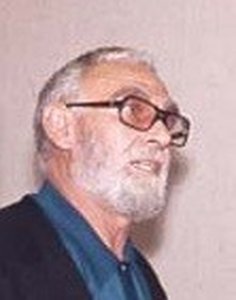
jorge oteiza enbil
1908 - 2003 , Spain
Quick Facts
- Birth Date: October 21, 1908
- Birth Place: Orio, Gipuzkoa, Spain
- Death Date: April 9, 2003
- Movement:
- Equipo 57
- Gaur
- Land art
- Name: Jorge Oteiza Enbil
- Nationality: Spanish, Basque

