 Preview
 Send
Send Share
Share
 Details

 Download
 Similars
 X-Ray
X-Ray Diaporama
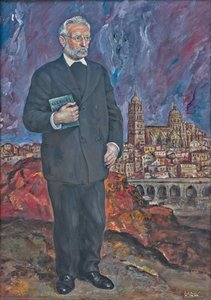
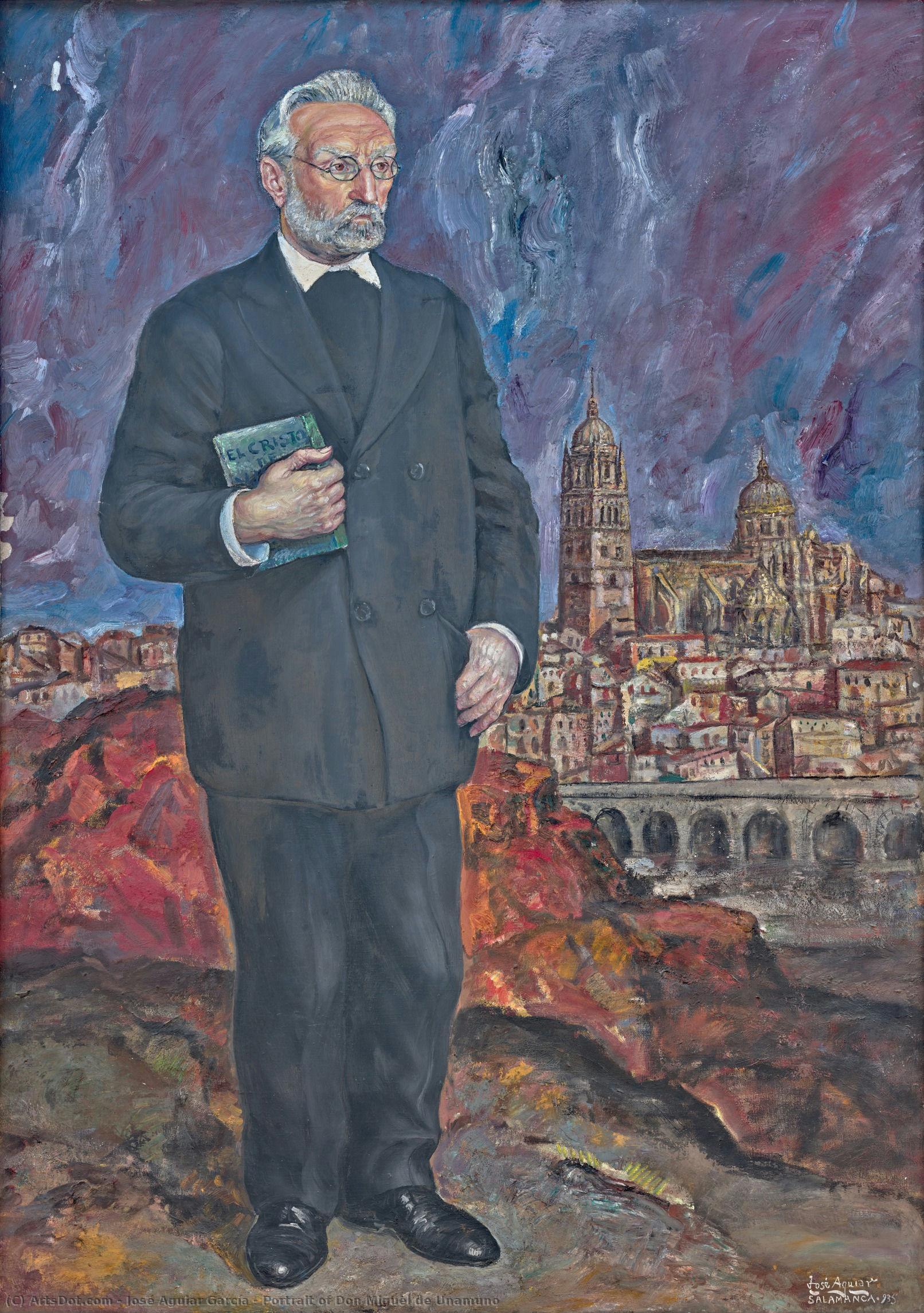
Portrait of Don Miguel de Unamuno
 244.0 x 168.0 cm
 Casa Museo Unamuno
 Read More
Giclée / Art Print
Museum-quality giclée or canvas print with fast production and flexible finish options. ( Buy Hand Made Painting Buy Image)




































Pick from our preset sizes that match the artwork's original proportions.

You may enter your own dimensions to fit a specific frame or space. If your selected size does not match the original image's proportions, we will either crop the artwork or extend the image with a mirrored or solid-fill edge. A digital mockup will be sent for your approval before production begins.
Please note that the on-screen preview does not reflect the actual cropping or extension. Only the mockup will accurately show the final composition.
While custom sizes are available, we recommend selecting a dimension from the predefined list to preserve the original proportions.
Worldwide Delivery () in 2 weeks instead of standard 4/5 weeks. (29 August)

Free Worldwide Express Shipping

High-Quality Linen Canvas

Full Shipping Insurance

Customs Tax Refund Guarantee

True Color Matching Guarantee

60-Day Return Policy (Defects Only)

100% Money-Back Guarantee

Bulk Discount Offer
 Glass option is only available in size under 110 CM

Portrait of Don Miguel de Unamuno
Giclée / Art Print
Reproduction Size
-


Total Price
$ 63
Related Artworks




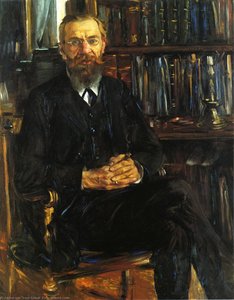

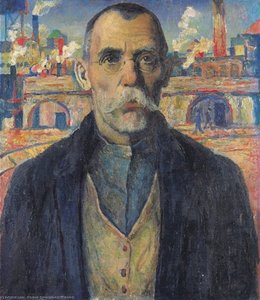

Artist Biography
A Life Between Continents: The Transatlantic Soul of José Aguiar García
The life of José Aguiar García was a tapestry woven from the vibrant threads of two worlds, spanning the sun-drenched landscapes of the Caribbean and the storied traditions of Spain. Born in 1895 in the lush surroundings of Santa Clara, Cuba, his earliest years were defined by movement and the deep cultural roots of his emigrant parents. Though his birth was Cuban, his heart was anchored in Agulo, La Gomera, where his family settled shortly after his arrival. This dual identity—a blend of Cuban vitality and Iberian heritage—would become the silent protagonist in his artistic journey, imbuing his work with a unique sense of place and a profound connection to the human condition.
Aguiar’s path toward greatness was not initially paved with brushes and palettes, but with the rigorous study of law. Moving to Madrid in 1914, he pursued legal studies for two years, yet the siren call of the arts proved irresistible. Driven by an innate creative hunger, he abandoned his academic ambitions to enroll at the prestigious Escuela de Bellas and Artes de San Fernando in 1916. It was here that he encountered the influential master José Pinazo Martínez, a teacher whose commitment to realism and expressive brushwork would leave an indelible mark on Aguiar’s technique. Under this tutelage, the young artist began to refine a style that balanced meticulous observation with a burgeoning emotional depth.
The Mastery of Color and Regionalist Spirit
As his career matured, Aguiar developed a visual language that was both monumental and intimate. His work became deeply intertwined with the Regionalist movement, a period where he turned his gaze toward the rural landscapes and traditional customs of the Canary Islands. He did not merely paint scenery; he sought to capture the very essence of the people who inhabited these lands. His canvases from this era are characterized by an exuberant use of color and a sense of light that feels almost tactile, reflecting a world filled with life, struggle, and dignity.
His technical evolution was further enriched by international exposure, including a transformative period in Florence, Italy, supported by a scholarship from the Cabildo Insular de la Gomera. This encounter with the Renaissance masters allowed him to integrate classical formal structures into his more modern, expressive tendencies. The result was a fascinating stylistic tension: a monumental realism that could feel both ancient and immediate. Whether depicting a quiet portrait or a grand religious scene, Aguiar’s hand moved with a confidence that bridged the gap between the traditional and the contemporary.
A Legacy Written in Murals and Light
Perhaps the most enduring testament to Aguiar’s genius lies in his monumental mural commissions. A true master of large-scale storytelling, he utilized walls as canvases for allegorical and heroic narratives. His murals, spread across the Canary Islands and mainland Spain, often blended costumbrismo—the depiction of everyday life—with profound religious and historical themes. In these works, the human figure is elevated to a heroic scale, rendered with a vibrant palette that breathes life into stone and plaster.
Beyond his public works, Aguiar’s contributions to the art world were marked by significant institutional roles and lasting influence:
- Academic Leadership: His tenure as a professor of drawing in Seville allowed him to pass on the traditions of Spanish expressionism to a new generation.
- Institutional Recognition: His involvement with the Asociación Española de Pintores y Escultores (AEPE) solidified his standing within the Spanish artistic hierarchy.
- Enduring Presence: Today, his masterpieces reside in prestigious collections, including the Museo de Arte Moderno de Barcelona and the Centro de Arte Reina Sofía, ensuring that his vision of a luminous, human-centric world continues to inspire.
Ultimately, the significance of José Aguiar García lies in his ability to synthesize disparate influences into a singular, powerful voice. He remains a bridge between the colonial echoes of Cuba and the classical weight of Spain, an artist who found the universal within the regional, and the eternal within the fleeting light of the islands.
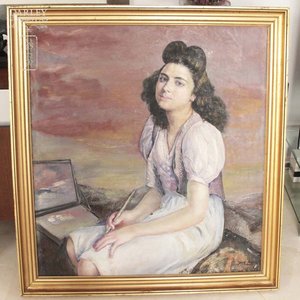
josé aguiar garcía
1895 - 1976 , Cuba
Quick Facts
- Artistic Movement Or Style: Academic Painting
- Artists Or Movements Influenced By This Artist: ['Renaissance']
- Artists Who Influenced This Artist: ['José Pinazo Martínez']
- Date Of Birth: 1895 (Santa Clara, Cuba)
- Date Of Death: 1976 (Madrid)
- Full Name: José Aguiar García
- Nationality: Spanish
- Notable Artworks:
- Portrait of Don Miguel de Unamuno
- Female portrait
- Place Of Birth: Santa Clara, Cuba