

 Preview
 Send
Send Share
Share
 Details

 Download
 Similars
 X-Ray
X-Ray Diaporama
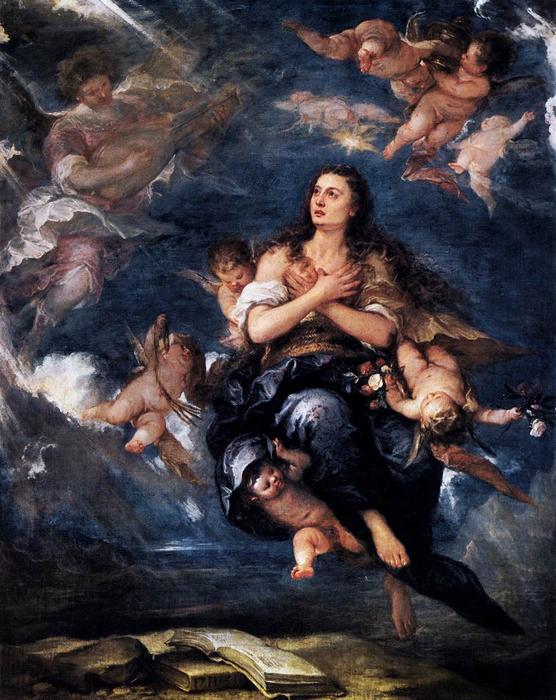
Assumption of Mary Magdalene
 Oil On Canvas
- WallArt
- Baroque
 205.0 x 163.0 cm
 Museo del Prado
 Read More
Purchase a high-resolution, enhanced digital image, far superior to the online preview.
Each file is meticulously prepared by our in-house specialists using advanced tools and expert manual retouching. We ensure every image has exceptional clarity, precise color accuracy, and fine detail.
The final file is delivered via email within 72 hours, optimized for immediate use in professional, editorial, and print environments. This is the same quality trusted by top-tier design studios, publishers, and galleries.
Digital Image
Download a high-resolution file for personal display, printing, and creative projects. ( Buy Print Buy Hand Made Painting)
Included in Every Digital Image Order
Expert Digital Delivery, Guaranteed
When you choose ArtsDot.com, you're not just getting an image - you're receiving a professionally enhanced digital artwork, crafted with precision and backed by a satisfaction guarantee. Here's everything that comes with your order, automatically:

Fast Email Delivery
Your high-resolution digital image file will be emailed to you within 72 hours of ordering - ready for immediate use.

AI-Enhanced Digital File
Your artwork is professionally optimized using advanced AI tools and manual editing, ensuring maximum detail, clarity, and color accuracy.

Free Lifetime Re-Delivery
Accidentally deleted or lost your file? No worries - we'll resend it to you anytime, free of charge.

No Import Fees - Ever
Enjoy your artwork instantly with zero customs, duties, or delivery fees - digital downloads are always tax-free.

Color Accuracy Guarantee
We ensure your digital image reflects the original colors as closely as possible using professional tools and color management.

60-Day Satisfaction Guarantee
If you're not satisfied with your digital image, we'll revise it or refund 100% within 60 days - no questions asked.

100% Money-Back Guarantee
Not satisfied? Get a full refund within 60 days of receiving your digital file - no questions asked.

Bulk Order Discounts
Buy 3 images, save 10% - Buy 5, save 15% - Buy 10+, save 20%. Great for creative projects, galleries, and agencies.
Collectible Description
José Antolinez: A Painter of Wit and Dramatic Vision
José Claudio Antolinez (1635 – 30 May 1675) stands as a fascinating figure within the vibrant tapestry of Baroque Spanish art, embodying both artistic brilliance and a rebellious spirit that challenged conventions. Born in Madrid, he entered the artistic orbit of Francisco Ribalta’s studio, absorbing foundational techniques and stylistic sensibilities prevalent during his formative years. However, Antolinez quickly distinguished himself not merely through technical prowess but through an audacious personality—one characterized by haughtiness and a penchant for sardonic humor—that garnered him considerable detractors amongst his peers. Early Influences & Training: Ribalta’s studio instilled in Antolinez a grounding in classical ideals blended with the expressive fervor of Mannerism, shaping his artistic approach before he embarked on independent explorations. He diligently studied the works of Rubens and Rembrandt, absorbing their masterful use of chiaroscuro and compositional dynamism—elements that would become hallmarks of his own distinctive style. Accounts depict Antolinez as engaging in playful banter with fellow artists Claudio Coello and Itizi, whom he affectionately mocked for their preoccupation with decorative ornamentation, reflecting a spirited defiance of artistic norms.The Assumption of Mary Magdalene: A Baroque Masterpiece
The painting “Assumption of Mary Magdalene,” executed by José Antolinez in 1663, exemplifies the grandeur and emotional intensity characteristic of Baroque art. Measuring 205 x 163 cm and housed at the Museo del Prado in Madrid, Spain, it depicts Saint Mary Magdalene ascending into heaven amidst a celestial chorus of angels and cherubs—a scene imbued with profound religious symbolism. Antolinez skillfully employed oil paint on canvas, utilizing dramatic lighting to heighten the emotional impact of the composition and creating an ethereal atmosphere that transports viewers to the realm of divine grace. The artist’s meticulous attention to detail—evident in the exquisitely rendered drapery and angelic faces—demonstrates a mastery of technique honed through years of dedicated practice.Symbolism and Artistic Innovation
Beyond its technical brilliance, “Assumption of Mary Magdalene” resonates with layers of symbolic meaning. The ascension itself represents divine redemption and spiritual transcendence, reflecting the Baroque preoccupation with themes of salvation and piety. Angels bearing musical instruments symbolize heavenly harmony and praise—a deliberate allusion to biblical scripture and a testament to Antolinez’s erudition. Furthermore, the artist’s innovative use of perspective contributes to the painting's dramatic effect, drawing viewers into the celestial tableau and emphasizing Mary Magdalene’s central role as the recipient of divine grace. Antolinez pushed boundaries by blending classical influences with Mannerist dynamism—a stylistic fusion that distinguishes his oeuvre from more conservative contemporaries.A Legacy of Wit and Artistic Courage
José Claudio Antolinez's artistic legacy extends beyond individual masterpieces; it embodies a spirit of intellectual curiosity and rebellious conviction that challenged prevailing artistic conventions. Despite facing criticism for his flamboyant personality and penchant for mockery, Antolinez persevered in pursuing his artistic vision—a testament to his unwavering dedication and courage. His work continues to inspire admiration for its beauty, craftsmanship, and profound spiritual depth, securing his place as a pivotal figure within the history of Baroque Spanish art.Further Exploration
For those interested in delving deeper into José Antolinez’s artistic achievements, we encourage you to consult Pedro de Madrazo's comprehensive catalog raisonné of Museo del Prado paintings and Diego Angulo Iñíguez’s scholarly monograph on the artist—resources that illuminate his stylistic evolution and contextualize his contributions within the broader artistic landscape of seventeenth-century Spain. Examining reproductions of “Assumption of Mary Magdalene” alongside related works by Francisco Ribalta and Rembrandt offers invaluable insight into the artistic currents shaping Baroque art and underscores Antolinez's enduring influence on subsequent generations of painters.Related Artworks
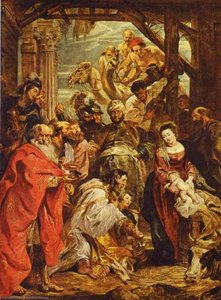
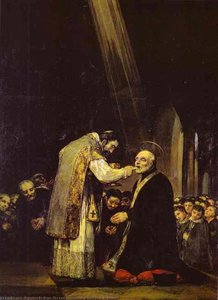
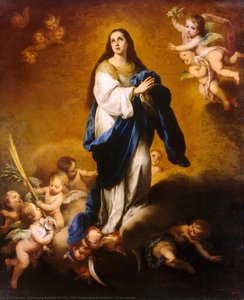
Artist Biography
The Audacious Spirit of José Claudio Antolinez
In the golden, dramatic era of the Spanish Baroque, few figures possessed a personality as polarizing and vibrant as José Claudio Antolinez. Born in Madrid in 1635, Antolinez was far more than a mere practitioner of the brush; he was a man of sharp wit and a famously haughty temperament that often placed him at odds with his contemporaries. His artistic journey began within the prestigious orbit of Francisco Ribalta’s studio, where he absorbed the foundational principles of classical composition and the expressive, swirling energy of Mannerism. This early training provided him with a technical rigor that would later allow him to navigate the complex demands of both sacred and secular commissions with unparalleled skill.
Antolinez was not a silent observer of the artistic community but an active, often provocative participant. He was known for his sardonic humor and a penchant for intellectual sparring, frequently engaging in playful yet biting critiques of his peers. His legendary jab at the artist Itizi, whom he derisively labeled a “painter of wall ornaments,” serves as a testament to his critical eye and his refusal to adhere to the established hierarchies of the Madrid art scene. This rebellious streak, while occasionally earning him detractors, infused his work with a unique psychological depth and a sense of dramatic tension that set him apart from the more conventional painters of his generation.
Mastery of Light and Devotion
The oeuvre of Antolinez is a profound exploration of the Baroque duality between the earthly and the divine. His religious compositions are characterized by a masterful command of chiaroscuro, using deep shadows and piercing highlights to evoke a sense of spiritual transcendence. In works such as Assumption of Mary Magdalene, one can witness his ability to weave intricate details into a larger narrative of devotion, where light does not merely illuminate the scene but acts as a vessel for divine presence. Similarly, his Immaculate Conception captures a serene, heavenly atmosphere, inviting the viewer into a space of profound peace through soft textures and ethereal compositions.
Beyond the purely celestial, Antolinez possessed a remarkable talent for capturing the human condition through portraiture. He had an uncanny ability to translate character and psychological nuance onto the canvas, often imbuing his subjects with a sense of lived experience and quiet intelligence. This is perhaps most exquisitely realized in The Picture Merchant, housed in the Museo Nacional del Prado. In this masterpiece, the subject’s air of melancholy and sharp intellect are rendered with such realism that the boundary between the painted figure and the living soul seems to dissolve, showcasing Antolinez's ability to master the subtle gestures and expressions that define human emotion.
Legacy of a Baroque Visionary
Though his life was relatively short, ending in 1675, the impact of José Claudio Antolinez remains etched in the history of Spanish art. He bridged the gap between the structured traditions of his training and the emotive, dramatic innovations of the high Baroque. His ability to pivot from the intense, dramatic lighting of St. Rose of Lima before the Madonna to the nuanced psychological realism of his secular portraits demonstrates a versatile genius that commanded respect despite his controversial reputation.
Today, Antolinez is remembered not only as a skilled technician but as an artist who brought a distinct, often satirical, perspective to the canvas. His works continue to serve as vital windows into the 17th-century Spanish soul, reflecting a period of intense religious fervor and burgeoning social complexity. Through his mastery of light, shadow, and human character, Antolinez ensured that his vision would endure long after his provocations had faded into the annals of art history.
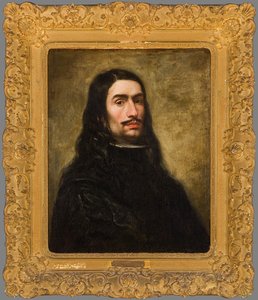
josé antolinez
1635 - 1675 , Spain
Quick Facts
- Artistic Movement Or Style: Baroque
- Artists Or Movements Influenced By This Artist: ['Italian Baroque']
- Artists Who Influenced This Artist: ['Francisco Riz']
- Date Of Birth: Madrid, Spain (1635)
- Date Of Death: 1675
- Full Name: José Claudio Antolinez
- Nationality: Spanish
- Notable Artworks: ['The Picture Merchant']
- Place Of Birth: Madrid

