

 Preview
 Send
Send Share
Share
 Details

 Download
 Similars
 X-Ray
X-Ray Diaporama
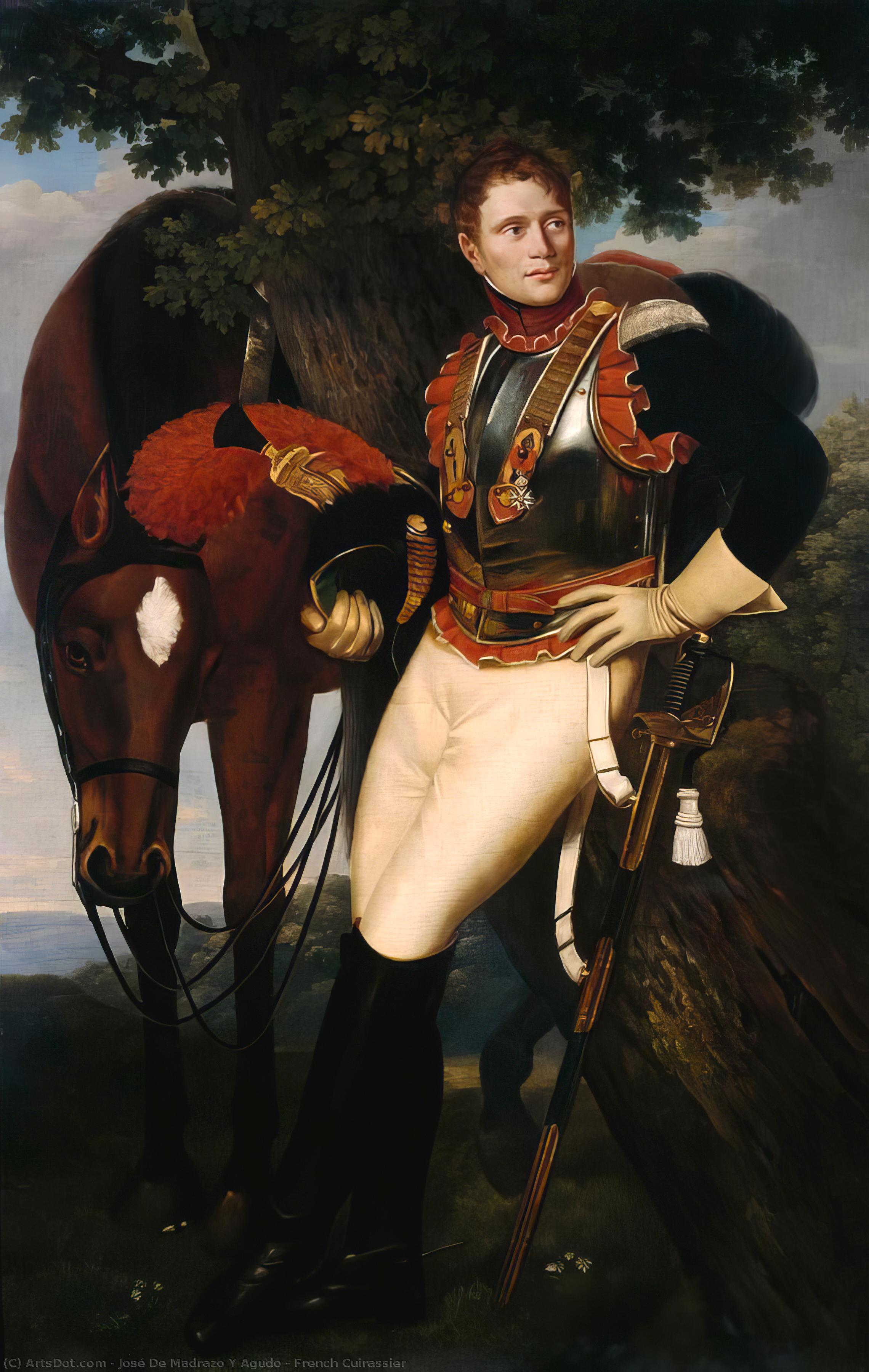
French Cuirassier

 Read More
Purchase a high-resolution, enhanced digital image, far superior to the online preview.
Each file is meticulously prepared by our in-house specialists using advanced tools and expert manual retouching. We ensure every image has exceptional clarity, precise color accuracy, and fine detail.
The final file is delivered via email within 72 hours, optimized for immediate use in professional, editorial, and print environments. This is the same quality trusted by top-tier design studios, publishers, and galleries.
Digital Image
Download a high-resolution file for personal display, printing, and creative projects. ( Buy Print Buy Hand Made Painting)
Included in Every Digital Image Order
Expert Digital Delivery, Guaranteed
When you choose ArtsDot.com, you're not just getting an image - you're receiving a professionally enhanced digital artwork, crafted with precision and backed by a satisfaction guarantee. Here's everything that comes with your order, automatically:

Fast Email Delivery
Your high-resolution digital image file will be emailed to you within 72 hours of ordering - ready for immediate use.

AI-Enhanced Digital File
Your artwork is professionally optimized using advanced AI tools and manual editing, ensuring maximum detail, clarity, and color accuracy.

Free Lifetime Re-Delivery
Accidentally deleted or lost your file? No worries - we'll resend it to you anytime, free of charge.

No Import Fees - Ever
Enjoy your artwork instantly with zero customs, duties, or delivery fees - digital downloads are always tax-free.

Color Accuracy Guarantee
We ensure your digital image reflects the original colors as closely as possible using professional tools and color management.

60-Day Satisfaction Guarantee
If you're not satisfied with your digital image, we'll revise it or refund 100% within 60 days - no questions asked.

100% Money-Back Guarantee
Not satisfied? Get a full refund within 60 days of receiving your digital file - no questions asked.

Bulk Order Discounts
Buy 3 images, save 10% - Buy 5, save 15% - Buy 10+, save 20%. Great for creative projects, galleries, and agencies.
Related Artworks
Artist Biography
Henry Fuseli: Architect of the Night
Johann Heinrich Füssli, later known as Henry Fuseli, remains a singularly compelling figure in art history—a Swiss-born artist who profoundly impacted the late 18th and early 19th centuries with his intensely dramatic and psychologically charged paintings. Born in Zürich in 1741, Fuseli’s journey from aspiring theologian to celebrated painter was marked by both intellectual curiosity and a willingness to explore the darker recesses of the human psyche. His work wasn't simply about depicting scenes; it was about evoking visceral reactions—shock, fascination, and a lingering sense of unease – qualities that cemented his place as a pioneer of Romanticism long before the movement formally emerged.
Fuseli’s early life provided fertile ground for his artistic development. Raised in an environment steeped in intellectual discourse and surrounded by artists and musicians, he received a rigorous education encompassing theology, philosophy, and music. However, a political upheaval forced him to flee Zürich in 1761, leading him on a restless journey through Berlin and eventually to London in 1764. It was in London that his artistic career truly took flight, largely thanks to the encouragement of Sir Joshua Reynolds, then the dominant figure in the British art world. Reynolds recognized Fuseli’s unique talent for creating emotionally resonant works—a skill he honed by studying classical sculpture and drawing inspiration from the works of Michelangelo.
Fuseli's artistic style was immediately distinctive. He rejected the prevailing Neoclassical emphasis on order, reason, and idealized beauty, instead embracing a more subjective and expressive approach. His paintings are characterized by dramatic lighting, unsettling compositions, and figures caught in moments of intense emotional turmoil. This fascination with the irrational and the subconscious is most famously exemplified in *The Nightmare* (1781), an image that continues to haunt viewers centuries later. The painting depicts a woman seemingly trapped within a terrifying dream—a scene rife with symbolism and open to multiple interpretations. The apelike figure hovering over her chest, often identified as an incubus, represents the malevolent forces lurking beneath the surface of consciousness. The horse, emerging from the shadows, adds another layer of dread, its glowing eyes suggesting a primal, untamed energy.
Beyond *The Nightmare*, Fuseli produced a remarkable body of work that explored themes of mythology, folklore, and literature. He illustrated Shakespeare’s plays with striking intensity, capturing the drama and psychological complexity of the characters. His depictions of scenes from Milton's *Paradise Lost* are particularly noteworthy for their powerful imagery and emotional depth. He also created numerous portraits, often imbued with a sense of mystery and intrigue. His work demonstrates a remarkable ability to synthesize classical influences with his own unique vision—a testament to his artistic versatility and intellectual breadth.
The Influence of the Enlightenment and Beyond
Fuseli’s art emerged during the height of the Enlightenment, an era characterized by reason, scientific inquiry, and a belief in progress. However, Fuseli deliberately challenged the dominant rationalist worldview, exploring instead the realm of emotions, dreams, and the irrational—themes that would become central to Romanticism. His work can be seen as a reaction against the perceived limitations of Enlightenment thought, suggesting that human experience is far more complex and mysterious than reason alone can comprehend.
Despite initial skepticism from some critics, Fuseli’s paintings quickly gained popularity, particularly among those who were drawn to their emotional intensity and unsettling imagery. *The Nightmare*, in particular, became a sensation, sparking heated debates about its meaning and artistic merit. The painting's success demonstrated a growing public interest in the darker aspects of human experience—a shift away from the idealized representations that had dominated art for centuries.
Fuseli’s influence extended beyond his own lifetime. His work paved the way for later Romantic artists such as William Blake, who shared his fascination with dreams, mythology, and the supernatural. Blake, in particular, frequently referenced Fuseli's *The Nightmare* in his own art and writings, demonstrating the enduring impact of Fuseli’s vision.
Key Works and Techniques
Fuseli’s oeuvre is characterized by a distinctive combination of technical skill and expressive power. He was a master of chiaroscuro—the dramatic use of light and shadow—which he employed to create a sense of depth, atmosphere, and psychological tension. His compositions are often carefully constructed to draw the viewer's eye to key elements—such as the woman’s contorted face or the menacing figure of the incubus.
Some of his most significant works include:
- The Nightmare (1781): Undoubtedly his most famous painting, a masterpiece of dramatic intensity and psychological suggestion.
- Lady Sylvia (1783): A portrait that captures the sitter’s melancholy beauty with remarkable sensitivity.
- Satyr Embarking on His Harpy to Catch Mercury (1782): An illustration for Shakespeare's *A Midsummer Night's Dream*, showcasing his ability to translate literary themes into visual form.
- The Destruction of Icarus (1784): A powerful depiction of the tragic fall of a young boy who flew too close to the sun, inspired by Ovid’s *Metamorphoses*.
Fuseli's technical skill was further enhanced by his meticulous study of anatomy and his understanding of color theory. He employed a rich palette—often dominated by dark reds, blues, and greens—to create a sense of drama and mystery. His brushwork is loose and expressive, conveying the urgency and intensity of the scenes he depicted.
Legacy and Historical Significance
Henry Fuseli’s legacy extends far beyond his individual paintings. He played a crucial role in shaping the artistic landscape of the late 18th and early 19th centuries, paving the way for Romanticism and influencing generations of artists. His willingness to explore the darker aspects of human experience—to confront viewers with their own fears and anxieties—marked a significant departure from the prevailing artistic conventions of his time.
Today, Fuseli’s work continues to fascinate and provoke debate. *The Nightmare*, in particular, remains one of the most iconic images in art history—a testament to its enduring power and unsettling beauty. Fuseli's exploration of dreams, nightmares, and the subconscious has resonated with audiences for centuries, solidifying his place as a visionary artist who dared to look beyond the surface of reality.
josé de madrazo y agudo
1781 - 1859
Quick Facts
- Artistic Movement Or Style: Rococo, Romanticism
- Artists Or Movements Influenced By This Artist: ['William Blake']
- Artists Who Influenced This Artist:
- Michelangelo
- classical art
- Date Of Birth: February 7, 1741
- Date Of Death: April 16, 1825
- Full Name: Johann Heinrich Füssli
- Nationality: Swiss
- Notable Artworks:
- The Nightmare
- Portrait of Voltaire
- Place Of Birth: Zürich, Switzerland

