 Preview
 Send
Send Share
Share
 Details

 Download
 Similars
 X-Ray
X-Ray Diaporama
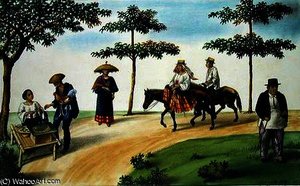
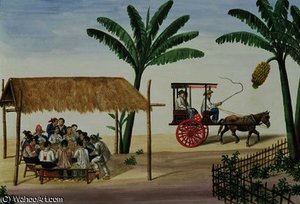
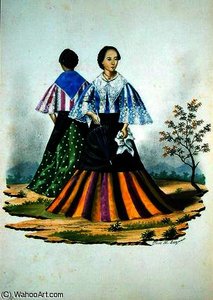
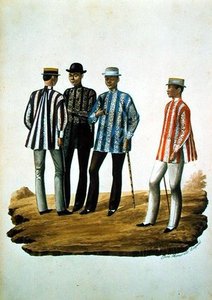
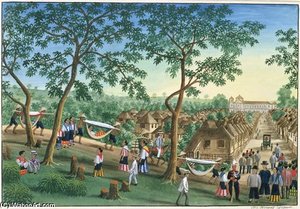
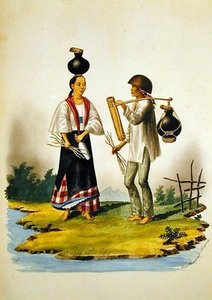
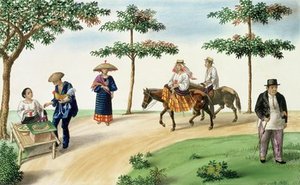
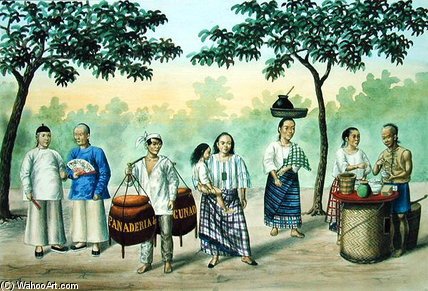
A Scene In Town
 Read More
Hand Made Oil Reproduction
Hand-painted oil on canvas in your size and frame, made to order by our artists. ( Buy Print Buy Image)




































Pick from our preset sizes that match the artwork's original proportions.

You may enter your own dimensions to fit a specific frame or space. If your selected size does not match the original image's proportions, we will either crop the artwork or extend the painting with additional hand-painted elements. A digital mockup will be sent for your approval before production begins.
Please note that the on-screen preview does not reflect the actual cropping or extension. Only the mockup will accurately show the final composition.
While custom sizes are available, we recommend selecting a dimension from the predefined list to preserve the original proportions.
After order, ArtsDot.com team will email client for instructions and provide a mockup preview
Worldwide Delivery () in 3/4 weeks instead of standard 5 weeks. (26 August). No compromise on quality.

Free Worldwide Express Shipping

High-Quality Linen Canvas

Full Shipping Insurance

Customs Tax Refund Guarantee

True Color Matching Guarantee

60-Day Return Policy (Defects Only)

100% Money-Back Guarantee

Bulk Discount Offer
 Glass option is only available in size under 110 CM

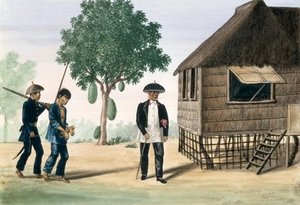
A Scene In Town
Reproduction Medium
Reproduction Size
-


Total Price
$ 263
Related Artworks









Artist Biography
The Master of Letras y Figuras: The Legacy of José Honorato Lozano
In the vibrant, colonial tapestry of 19th-century Manila, few artists captured the soul of a nation quite like José Honorato Lozano. A pioneer whose brushwork bridged the gap between delicate calligraphy and vivid social commentary, Lozano emerged as a singular talent in the Philippines. While history often remembers him through the lens of his unique stylistic innovations, his true essence lies in his ability to transform mere letters into living, breathing landscapes. Born in Manila around 1815 or 1821, the son of a lighthouse keeper at Manila Bay, Lozano grew up amidst the rhythmic ebb and flow of the coastal life that would later become the heartbeat of his most celebrated works.
Lozano’s artistic identity is inextricably linked to the creation of Letras y figuras, a breathtakingly intricate art form where the letters of a patron's name are meticulously composed of human figures, animals, and vignettes of daily life. This technique, which may have drawn inspiration from the ancient tradition of illuminated manuscripts, allowed Lozano to weave the identity of his subjects into the very fabric of the Philippine landscape. Through this method, he did more than just paint; he choreographed a visual symphony of Manila’s streets, markets, and riverbanks, turning typography into a narrative medium that celebrated both the individual and the community.
A Visionary of Philippine Landscapes and Social Costumbrismo
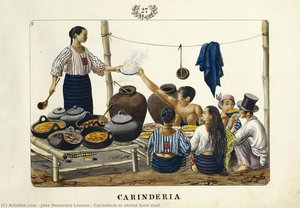
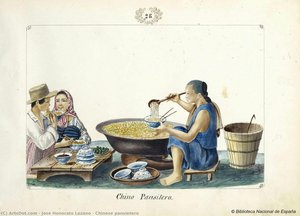
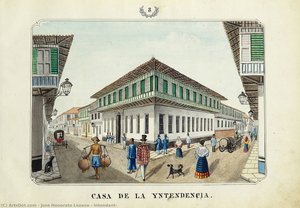
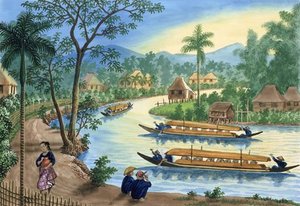
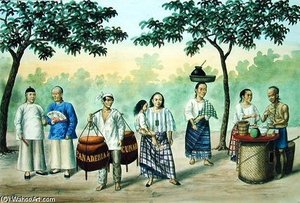
Beyond the structural ingenuity of his lettering, Lozano was a master of the costumbrista tradition—a style dedicated to depicting the customs, manners, and daily routines of ordinary people. His watercolors serve as precious, nostalgic windows into a bygone era, capturing the serene beauty of the Pasig River and the bustling energy of street food stalls. Whether he was rendering a quiet village scene near Tagnig or the lively atmosphere of a carindería, his work possessed an unmistakable charm and a meticulous attention to detail that earned him the reputation of being a "watercolourist without rival."
His technical prowess extended beyond the whimsical Letras y figuras into more conventional oil paintings and historical commissions. The Spanish government, recognizing his ability to document the era, commissioned him to depict significant episodes from the history of Spanish rule in the Philippines. These works were not merely records but emotional evocations of a complex colonial period. His ability to blend the panoramic scale of landscape painting with the intimate, character-driven details of portraiture allowed him to appeal to both local sensibilities and the tastes of foreign visitors seeking souvenirs of Manila’s tropical splendor.
Artistic Influences and Historical Significance
The origins of Lozano's technique remain a subject of fascination for art historians. While his training was deeply embedded in the colonial context of Manila, some scholars suggest that his delicate touch may have been influenced by Chinese or Filipino painters skilled in East Asian watercolor traditions. This fusion of influences contributed to the "quaint and endlessly fascinating" quality that contemporary authorities noted in his work. His development as an artist reflects a period of profound cultural intersection, where European academic influences met the local rhythms of Southeast Asian life.
Today, the significance of José Honorato Lozano transcends mere aesthetic appreciation; he remains a vital custodian of Filipino cultural heritage. His works are not just paintings but historical documents that preserve the vanished vistas of 19th-century Manila. The enduring value of his legacy is evidenced by the record-breaking prices his watercolors command at international auctions, such as the sale of Views of Manila, which underscores the global recognition of his mastery. Through his innovative use of form and his devotion to capturing the essence of his homeland, Lozano ensured that the spirit of old Manila would remain eternally vibrant on the canvas.
jose honorato lozano
1821 - 1885
Quick Facts
- Artistic Movement Or Style: Spanish Renaissance
- Artists Or Movements Influenced By This Artist: ['Italian Renaissance']
- Artists Who Influenced This Artist: ['El Greco']
- Date Of Death: 1885
- Full Name: Jose Honorato Lozano
- Nationality: Mexican
- Notable Artworks:
- View Near The Town Of Tagnig On The Pasig River
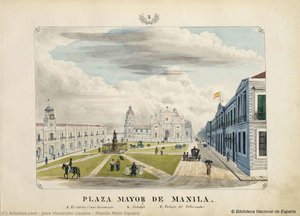
- Manila Main Square
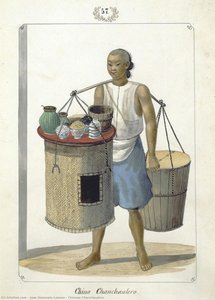
- Chinese Chanchaulero
- Place Of Birth: Mexico City