 Preview
 Send
Send Share
Share
 Details

 Download
 Similars
 X-Ray
X-Ray Diaporama
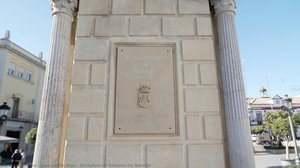
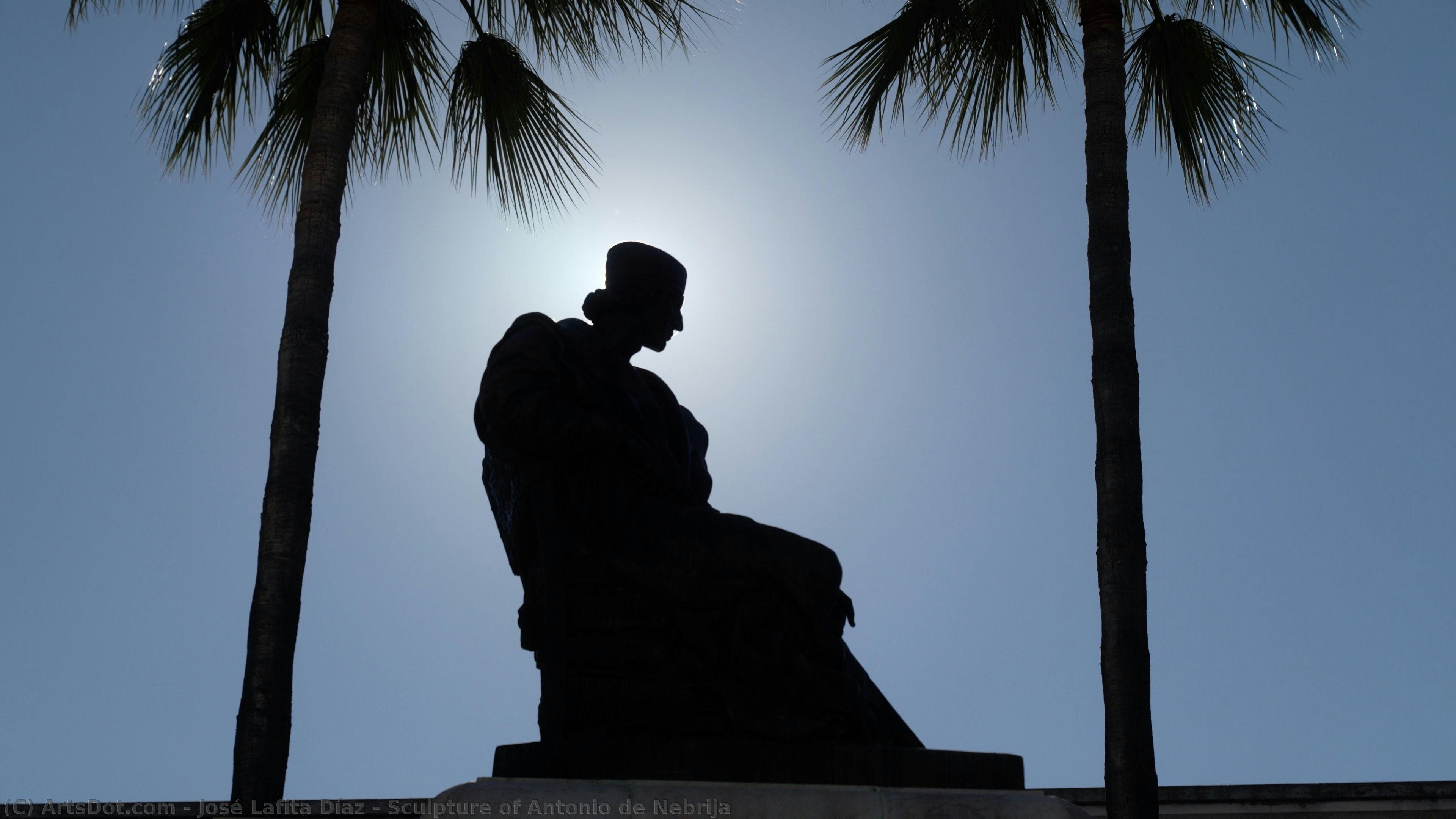
Sculpture of Antonio de Nebrija

 Read More
Giclée / Art Print
Museum-quality giclée or canvas print with fast production and flexible finish options. ( Buy Hand Made Painting Buy Image)




































Pick from our preset sizes that match the artwork's original proportions.

You may enter your own dimensions to fit a specific frame or space. If your selected size does not match the original image's proportions, we will either crop the artwork or extend the image with a mirrored or solid-fill edge. A digital mockup will be sent for your approval before production begins.
Please note that the on-screen preview does not reflect the actual cropping or extension. Only the mockup will accurately show the final composition.
While custom sizes are available, we recommend selecting a dimension from the predefined list to preserve the original proportions.
Worldwide Delivery () in 2 weeks instead of standard 4/5 weeks. (29 August)

Free Worldwide Express Shipping

High-Quality Linen Canvas

Full Shipping Insurance

Customs Tax Refund Guarantee

True Color Matching Guarantee

60-Day Return Policy (Defects Only)

100% Money-Back Guarantee

Bulk Discount Offer
 Glass option is only available in size under 110 CM

Sculpture of Antonio de Nebrija
Giclée / Art Print
Reproduction Size
-


Total Price
$ 63
Related Artworks









Artist Biography
José Lafita Díaz: A Seville Sculptor’s Legacy
José Lafita Díaz (1887-1945) stands as a testament to the artistic spirit of Seville during its golden age, a figure whose contributions to sculpture and design resonate even today. Born into a family steeped in artistic tradition – his father and brother were also artists – Lafita Díaz’s formative years instilled within him an appreciation for craftsmanship and visual storytelling that would define his entire oeuvre. Though largely unrecognized during his lifetime, his work possesses enduring beauty and reflects the intellectual currents of the early twentieth century.- Early Life & Artistic Training:
- Notable Sculptures:
- Influences & Style:
- Public Commissions & Recognition:
- Historical Significance:
Early Life & Artistic Training
Little is known definitively about Lafita Díaz’s formal education, but he honed his skills through observation and experimentation within the vibrant artistic milieu of Seville. The family's involvement in decorative arts fostered a deep understanding of materials and techniques – particularly stone carving – equipping him with the foundational knowledge necessary for his future endeavors. His exposure to neoclassical ideals undoubtedly shaped his aesthetic sensibilities, mirroring the broader European fascination with reviving classical forms after centuries of Romanticism.- Notable Sculptures:
Influences & Style
Lafita Díaz’s artistic vision was profoundly influenced by the neoclassical revival championed by artists like Auguste Rodin and Giovanni Fattori. These sculptors prioritized anatomical accuracy, emotional expression, and a harmonious integration of form and function—principles that Lafita Díaz embraced wholeheartedly. Furthermore, he drew inspiration from Iberian sculptural traditions, particularly those depicting religious figures and mythological narratives, demonstrating an awareness of Spain’s artistic heritage.- Public Commissions & Recognition:
Historical Significance
José Lafita Díaz’s work embodies the spirit of a period marked by both artistic renewal and social transformation. As Seville navigated its role within the evolving political landscape of Spain, Lafita Díaz's sculptures served as tangible reminders of tradition and civic virtue—values that resonated deeply with the populace. Today, his Fuente de la Plaza Virgen de los Reyes stands as an enduring emblem of Sevillian heritage, inviting contemplation on themes of history, memory, and artistic legacy. It exemplifies a commitment to honoring Spain’s past while simultaneously engaging in dialogue with contemporary sensibilities.
josé lafita díaz
1887 - 1945 , Spain
Quick Facts
- Artistic Movement Or Style: Neoclassical Sculpture
- Date Of Birth: 1887
- Full Name: José Lafita Díaz
- Nationality: Spanish
- Notable Artworks: ['Fuente de la Plaza Virgen de los Reyes']
- Place Of Birth: Seville, Spain