 Preview
 Send
Send Share
Share
 Details

 Download
 Similars
 X-Ray
X-Ray Diaporama
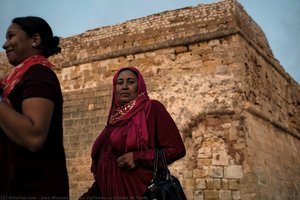
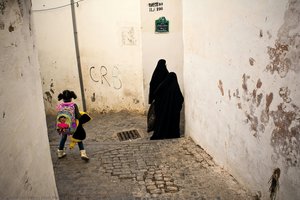
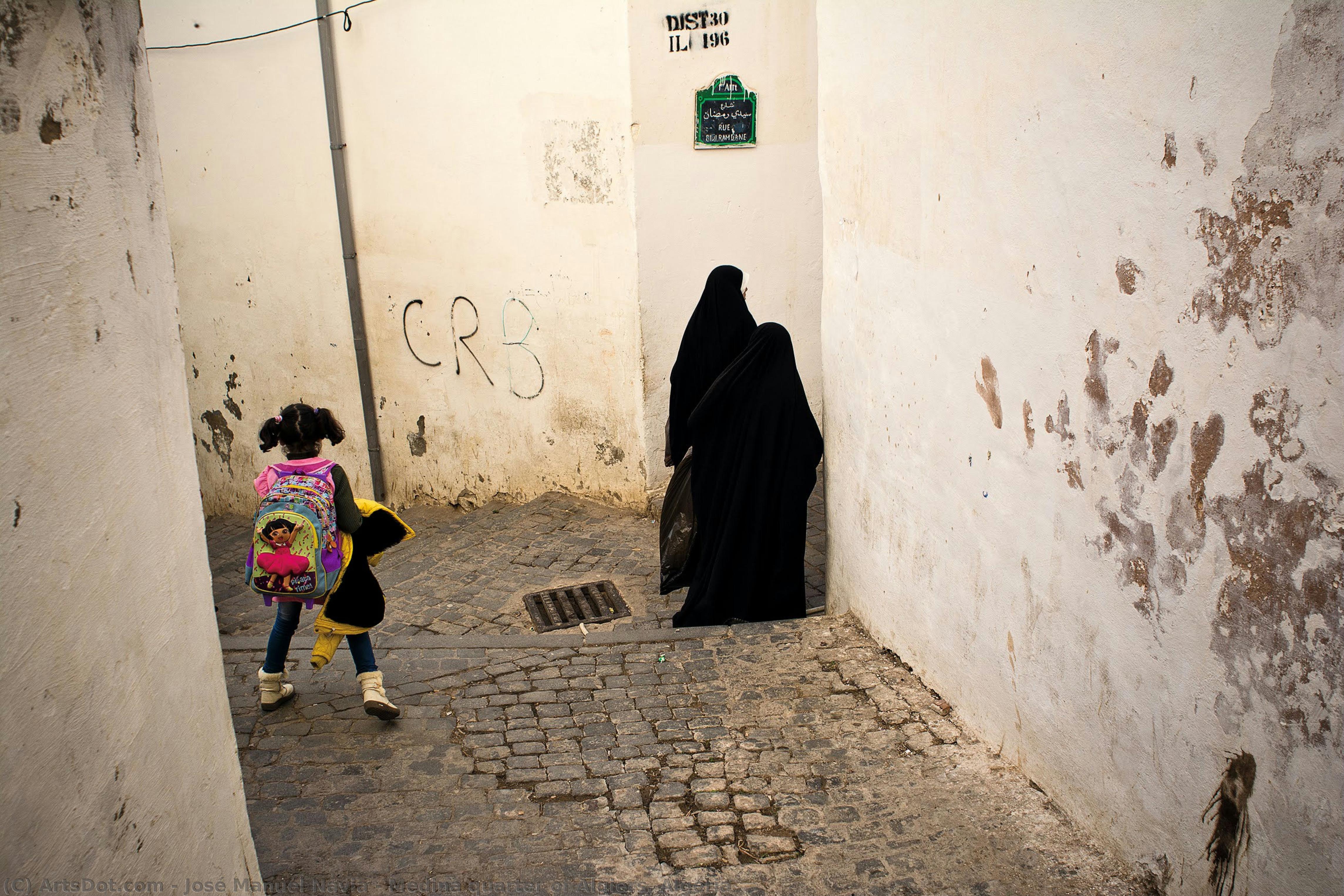
Medina quarter of Algiers. Algeria


 Read More
Giclée / Art Print
Museum-quality giclée or canvas print with fast production and flexible finish options. ( Buy Hand Made Painting Buy Image)




































Pick from our preset sizes that match the artwork's original proportions.

You may enter your own dimensions to fit a specific frame or space. If your selected size does not match the original image's proportions, we will either crop the artwork or extend the image with a mirrored or solid-fill edge. A digital mockup will be sent for your approval before production begins.
Please note that the on-screen preview does not reflect the actual cropping or extension. Only the mockup will accurately show the final composition.
While custom sizes are available, we recommend selecting a dimension from the predefined list to preserve the original proportions.
Worldwide Delivery () in 2 weeks instead of standard 4/5 weeks. (24 August)

Free Worldwide Express Shipping

High-Quality Linen Canvas

Full Shipping Insurance

Customs Tax Refund Guarantee

True Color Matching Guarantee

60-Day Return Policy (Defects Only)

100% Money-Back Guarantee

Bulk Discount Offer
 Glass option is only available in size under 110 CM

Medina quarter of Algiers. Algeria
Giclée / Art Print
Reproduction Size
-


Total Price
$ 63
Related Artworks









Artist Biography
The Philosophical Eye and the Iberian Light
Born in Madrid in 1957, José Manuel Navia does not merely observe the world through his lens; he interprets it through a perspective deeply informed by his academic roots in philosophy. After graduating from the Universidad Autónoma de Madrid in 1980, Navia embarked on a career where the camera became an instrument of ontological inquiry. His work transcends mere documentation, serving instead as a profound exploration of light, memory, and the subtle textures of existence. Through a masterful command of tonal nuance, he creates a visual language where deep blacks harmonize seamlessly with delicate monochromes and richer, evocative hues, capturing the very essence of Iberian culture and tradition.Navia’s aesthetic is characterized by an uncompromising pursuit of atmosphere. He seeks to portray not just what is visible, but how a moment feels—the weight of the air, the shift of shadows, and the profound connection between the physical landscape and the human spirit. This approach reflects a deliberate philosophical stance, questioning photography’s role as a storytelling medium and inviting the viewer to find meaning in the ephemeral.
A Dialogue Between Image and Literature
One of the most striking elements of Navia’s oeuvre is the inextricable link between his photographic practice and the literary world. His work functions as a visual bridge, connecting the captured image to the profound themes found in contemporary literature. This synergy was perhaps most brilliantly realized in his monograph, Navia, which showcased collaborations with the Vu’ agency alongside legendary writers such as Gabriel García Márquez and Miguel de Cervantes.Navia’s photographic compositions often mirror the narrative complexities of authors like Fernando Pessoa and Roa Bastos. He utilizes the concept of the "trace"—inspired by the thoughts of Walter Benjamin—to explore how the past lingers in the present. His images act as visual echoes, capturing the appearance of a nearness that remains even when the subject has long since departed. By blending photography with the weight of the written word, he elevates his subjects from mere snapshots to profound meditations on history and identity.
Global Horizons and the Humanist Vision
The scope of Navia’s journey is as vast as the landscapes he has traversed, moving far beyond the borders of his native Spain. His photographic expeditions have taken him through the heart of Portugal, across the diverse terrains of Latin America—particularly Peru—and into the evocative environments of Morocco and the Niger River delta. In each territory, he maintains a steadfast humanist perspective, focusing on the dignity of daily life and the grandeur of natural beauty.This commitment to the human condition was poignantly evident in his work in Angola, specifically his documentation of the Caconda School. Amidst the complexities of a region experiencing civil war, Navia found a unique opportunity to photograph the quiet persistence of life itself. He captured the moments when nothing particularly monumental occurs, finding profound beauty in the resilience of those who continue to move the world forward. Whether documenting the sun-drenched plains of Andalusia or the intimate corners of a distant village, Navia’s work remains a continuous search for the light that defines our shared human experience.
josé manuel navia
1957 - , Spain
Quick Facts
- Artistic Movement Or Style: Photorealism
- Artists Or Movements Influenced By This Artist: ['Photorealism']
- Artists Who Influenced This Artist:
- Roa Bastos
- Sallinger
- Garcia Márquez
- Pessoa
- Juan Rulf
- Date Of Birth: Madrid, Spain (1957)
- Date Of Death: Living
- Full Name: José Manuel Navia
- Nationality: Spanish
- Notable Artworks:
- Barcelona beach…
- Region of La Campiña
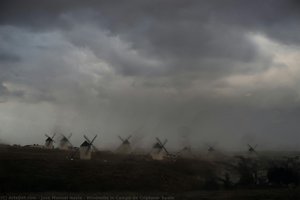
- Windmills in Campo de Criptana
- Place Of Birth: Madrid