 Preview
 Send
Send Share
Share
 Details

 Download
 Similars
 X-Ray
X-Ray Diaporama
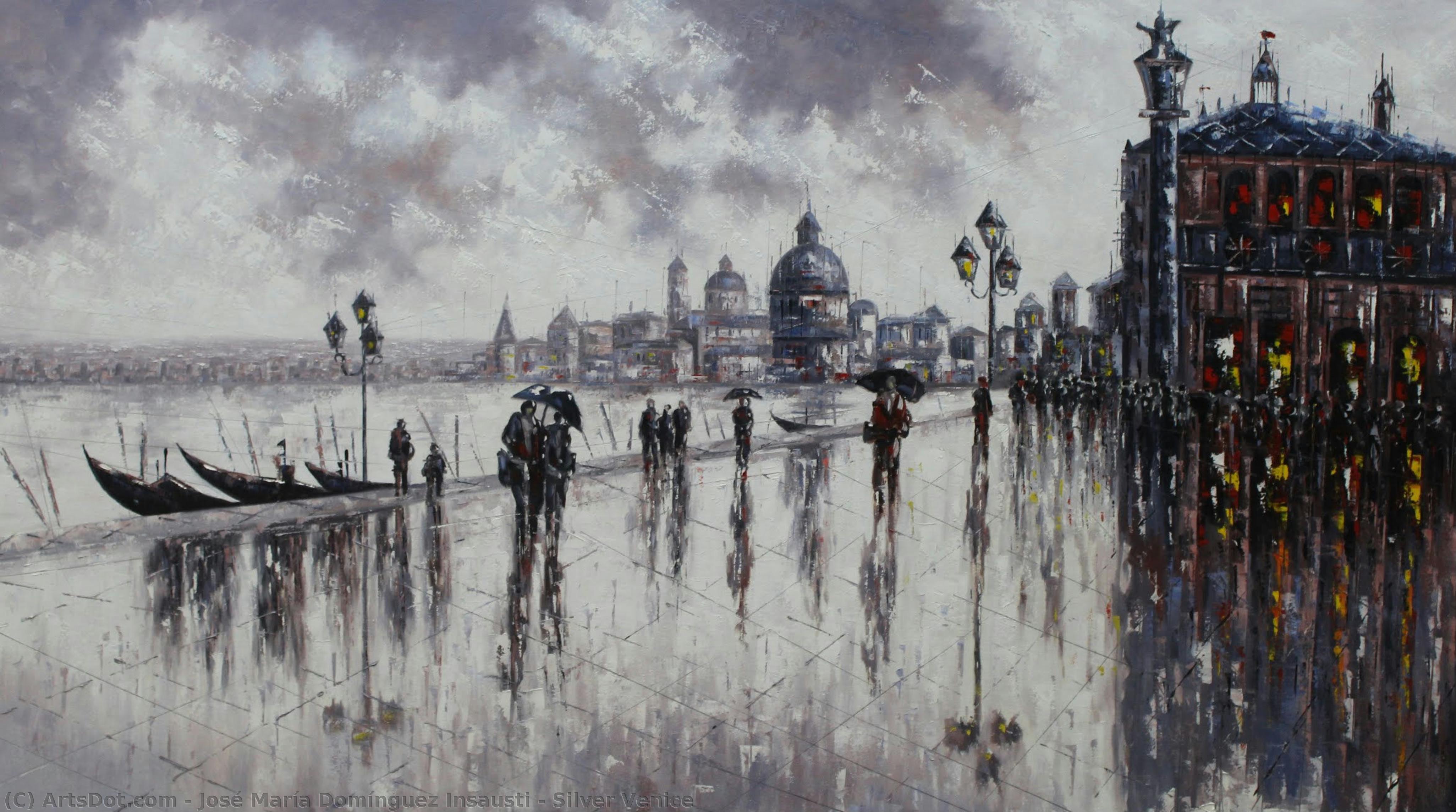
Silver Venice


 Read More
Giclée / Art Print
Museum-quality giclée or canvas print with fast production and flexible finish options. ( Buy Hand Made Painting Buy Image)




































Pick from our preset sizes that match the artwork's original proportions.

You may enter your own dimensions to fit a specific frame or space. If your selected size does not match the original image's proportions, we will either crop the artwork or extend the image with a mirrored or solid-fill edge. A digital mockup will be sent for your approval before production begins.
Please note that the on-screen preview does not reflect the actual cropping or extension. Only the mockup will accurately show the final composition.
While custom sizes are available, we recommend selecting a dimension from the predefined list to preserve the original proportions.
Worldwide Delivery () in 2 weeks instead of standard 4/5 weeks. (6 September)

Free Worldwide Express Shipping

High-Quality Linen Canvas

Full Shipping Insurance

Customs Tax Refund Guarantee

True Color Matching Guarantee

100-Day Return Policy (Defects Only)

100% Money-Back Guarantee

Bulk Discount Offer
 Glass option is only available in size under 110 CM

Silver Venice
Giclée / Art Print
Reproduction Size
-


Total Price
$ 63
Related Artworks









Artist Biography
A Life Immersed in Seville: The World of José María Domínguez Insausti
José María Domínguez Insausti, often known as José Domínguez Bécquer, was a figure whose artistic legacy is perhaps most powerfully understood through the shadows it casts – those of his celebrated sons, the poet Gustavo Adolfo Bécquer and the painter Valeriano Bécquer. Yet, to view him solely as the father of these Romantic luminaries would be a profound disservice to a talented artist who, in his own right, captured the vibrant essence of 19th-century Seville with remarkable sensitivity and skill. Born in 1805 into a family steeped in noble history but diminished fortune, Domínguez Bécquer’s life was one interwoven with both artistic aspiration and the quiet rhythms of Andalusian society. His lineage traced back to an old Flemish family established in Seville since the 16th century, a heritage that instilled a sense of pride even as material wealth waned. He chose to adopt “Bécquer” as his surname, consciously acknowledging this familial past.Early Training and Artistic Development
Domínguez Bécquer’s formal artistic education began at the Escuela de Tres Nobles Artes in Seville, where he quickly distinguished himself among his peers. A particularly strong friendship blossomed with Antonio María Esquivel, a fellow student who would become a lifelong companion. In 1830, he joined the Academia de Bellas Artes de Sevilla and established his own studio, marking a pivotal step towards professional independence. His early work focused on small genre paintings – scenes of everyday life intended for local consumption and, crucially, for export to England. This focus wasn’t accidental; Seville at this time enjoyed a thriving trade relationship with Britain, and Domínguez Bécquer skillfully catered to the tastes of English collectors seeking picturesque depictions of Spanish customs. He was part of a generation that sought to capture the unique character of Spain, its traditions, and its people, before the sweeping changes of modernity irrevocably altered them.The Costumbrismo Style and Seville as Muse
Domínguez Bécquer is rightly considered a key figure in the *Costumbrismo* movement – an artistic trend that flourished in 19th-century Spain, dedicated to portraying the customs, traditions, and character of regional life. His paintings are not grand historical narratives or lofty allegories; instead, they offer intimate glimpses into the daily lives of Sevillians: bustling marketplaces, lively taverns, religious processions, and scenes of domesticity. He possessed a keen eye for detail, capturing the textures of fabrics, the play of light on cobblestone streets, and the expressive faces of his subjects. While he also ventured into portraiture, religious themes, and historical compositions, it was his Seville scenes that truly resonated with audiences – particularly those in England, where his work often found a more appreciative reception than within Spain itself. His meticulous record-keeping from 1837 to 1841 provides valuable insight into the workings of his studio and the demands of his clientele.A Legacy Intertwined with Family
Tragically, Domínguez Bécquer’s career was cut short by his sudden death in Seville in 1841 at the young age of thirty-six. His untimely passing left a void not only in the artistic community but also within his family. His wife, Joaquina Bastida y Vargas, was left to raise their eight children, including the future poet Gustavo Adolfo and painter Valeriano. His cousin, Joaquín, who had assisted him in the studio, assumed guardianship of Valeriano, nurturing his burgeoning talent. While Domínguez Bécquer’s own artistic output may not be as widely recognized today as that of his sons, his influence on their work is undeniable. He instilled in them a love for art, a sensitivity to beauty, and an appreciation for the rich cultural heritage of Andalusia. He contributed illustrations for *Artistic and Monumental Spain*, a three-volume travel book directed by Jenaro Pérez Villaamil, further solidifying his place within the broader artistic landscape of the period.Historical Significance and Enduring Appeal
José María Domínguez Insausti’s significance lies not only in the quality of his paintings but also in his role as a chronicler of a specific time and place. He captured Seville on the cusp of change, preserving its traditions and customs for posterity. His work offers valuable insights into the social life, dress, and atmosphere of 19th-century Andalusia. He was a pioneer of Andalusian genre painting, paving the way for future generations of artists to explore the unique character of their region. Though his fame may have been overshadowed by that of his sons, Domínguez Bécquer’s paintings continue to captivate viewers with their charm, authenticity, and evocative depiction of a bygone era – a testament to the enduring power of art to transport us to another time and place, and to remind us of the beauty found in the everyday moments of life.
josé maría domínguez insausti
1805 - 1841 , Spain
Quick Facts
- Artistic Movement Or Style: Costumbrismo
- Artists Or Movements Influenced By This Artist:
- Gustavo Adolfo Bécquer
- Valeriano Bécquer
- Date Of Birth: January 22, 1805
- Date Of Death: January 28, 1841
- Full Name: José María Domínguez Insausti
- Nationality: Spanish
- Notable Artworks: ['Silver Venice']
- Place Of Birth: Seville, Spain