 Preview
 Send
Send Share
Share
 Details

 Download
 Similars
 X-Ray
X-Ray Diaporama
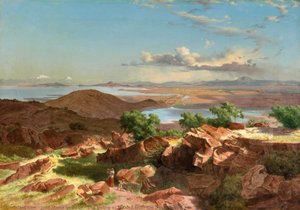
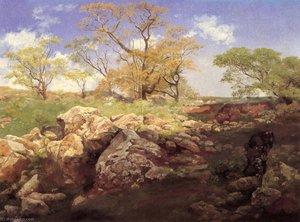
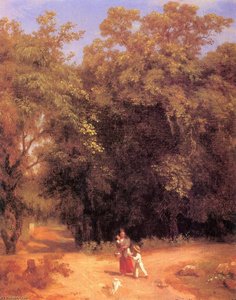
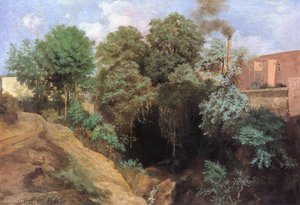
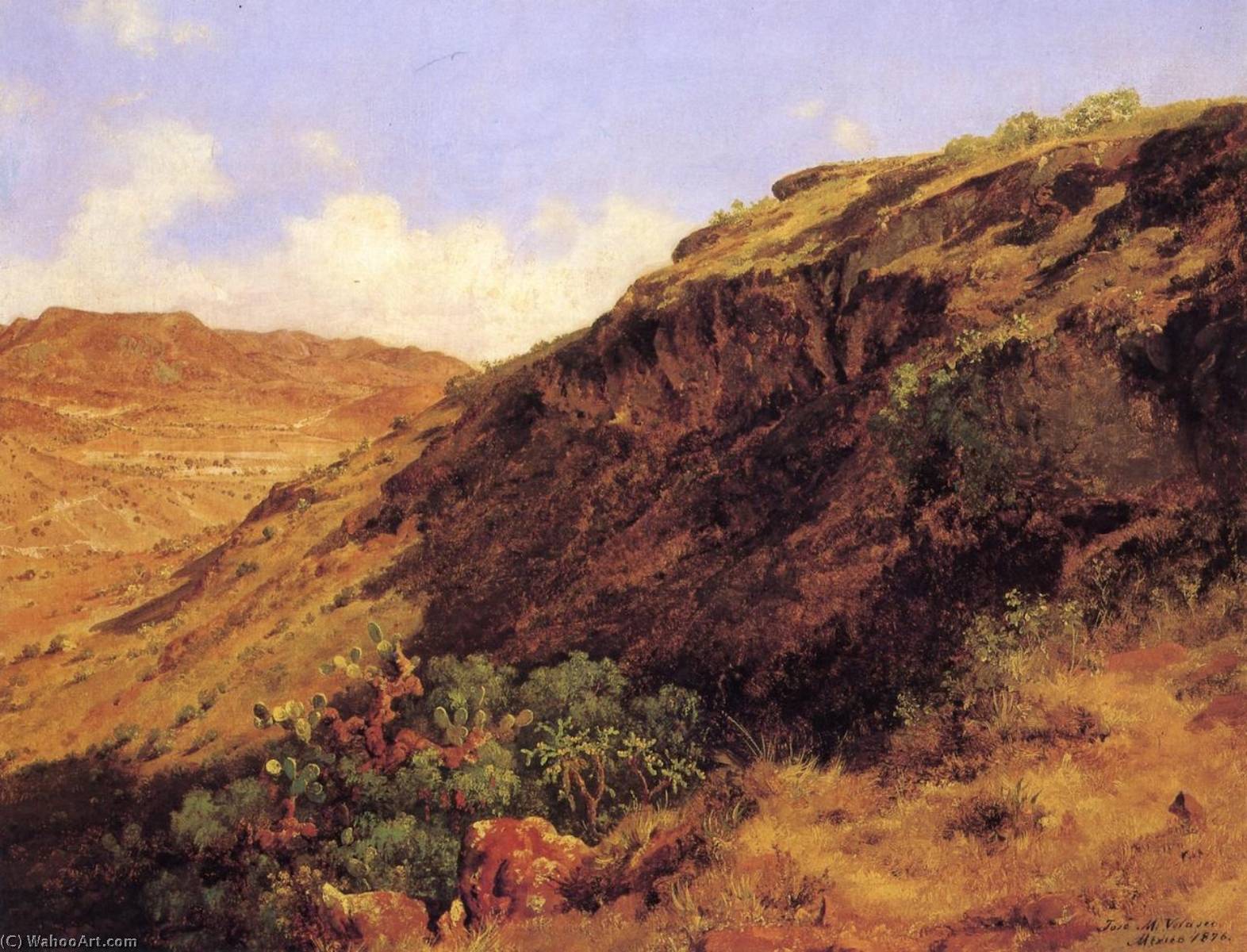
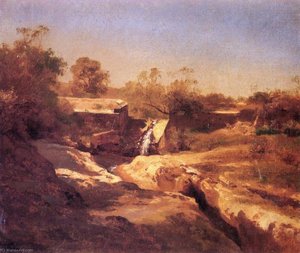
Ladera occidental del cerro de Guerrero
 1876
1876 43.0 x 55.0 cm
 Read More
Hand Made Oil Reproduction
Hand-painted oil on canvas in your size and frame, made to order by our artists. ( Buy Print Buy Image)




































Pick from our preset sizes that match the artwork's original proportions.

You may enter your own dimensions to fit a specific frame or space. If your selected size does not match the original image's proportions, we will either crop the artwork or extend the painting with additional hand-painted elements. A digital mockup will be sent for your approval before production begins.
Please note that the on-screen preview does not reflect the actual cropping or extension. Only the mockup will accurately show the final composition.
While custom sizes are available, we recommend selecting a dimension from the predefined list to preserve the original proportions.
After order, ArtsDot.com team will email client for instructions and provide a mockup preview
Worldwide Delivery () in 3/4 weeks instead of standard 5 weeks. (22 August). No compromise on quality.

Free Worldwide Express Shipping

High-Quality Linen Canvas

Full Shipping Insurance

Customs Tax Refund Guarantee

True Color Matching Guarantee

60-Day Return Policy (Defects Only)

100% Money-Back Guarantee

Bulk Discount Offer
 Glass option is only available in size under 110 CM

Ladera occidental del cerro de Guerrero
Reproduction Medium
Reproduction Size
-


Total Price
$ 263
Related Artworks








Artist Biography
The Visionary of the Mexican Landscape: The Life of José María Velasco
In the grand tapestry of nineteenth-century art, few threads are as vibrant or as deeply rooted in national identity as those woven by José María Velasco. Born in 1840, Velasco emerged not merely as a painter, but as a polymath who transformed the very geography of Mexico into a profound symbol of cultural pride. His journey began in the heart of Mexico City, where his early training at the Academy of San Carlos under the Italian master Eugenio Landesio instilled in him a rigorous command of academic realism. This foundation allowed him to elevate landscape painting from mere topographical documentation to a high art form, characterized by an unparalleled scientific precision and an almost spiritual reverence for the natural world.
Velasco’s artistic evolution was a fascinating dialogue between the local and the global. While his heart remained tethered to the volcanic peaks and lush valleys of his homeland, his creative spirit was ignited by far-reaching international influences. He possessed a unique ability to bridge the gap between European traditions—specifically the meticulousness of Orientalism—and the burgeoning Mexican landscape movement. This synthesis is most evident in his fascination with Eastern aesthetics, where the atmospheric perspective and delicate detail reminiscent of Persian miniatures found a surprising harmony within the rugged grandeur of the Mexican terrain. Through his brush, the mountains were not just stone and earth, but vessels of timeless beauty and quiet contemplation.
A Mastery of Light, Texture, and National Identity
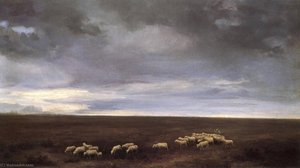
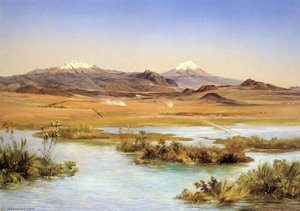
The technical brilliance of Velasco lies in his ability to manipulate light and atmosphere to evoke deep emotional responses. His works often feature a dramatic interplay of shadow and luminosity, a technique that breathes life into the vast expanses of the Mexican countryside. Whether capturing the serene pastoral scenes of Lumen en coelo, where sheep graze beneath a tempestuous sky, or the breathtaking geological majesty of El Popocatépetl y el Iztaccíhuatl, Velasco utilized subtle gradations of color and rich textures to create a sense of profound depth. His later periods even saw him experimenting with the soft, broken light characteristic of French Impressionism, proving that his technical prowess was never static but always evolving.
Beyond the purely aesthetic, Velasco’s oeuvre served as a vital instrument of nationalism during Mexico's turbulent transition toward independence and stability. Influenced by the scientific explorations of Alexander von Humboldt, Velasco viewed the natural landscape as an interconnected web of life and history. By meticulously documenting the flora, fauna, and topography of his nation, he provided a visual vocabulary for a country seeking to define itself. His paintings became more than just art; they were assertions of sovereignty and resilience. This significance is perhaps best encapsulated in his various renditions of El valle de México, a masterpiece that stands as an enduring icon of the Mexican spirit.
Legacy and Lasting Impact
The achievements of José María Velasco earned him international acclaim long before his passing in 1912. His accolades were numerous and prestigious, including:
- Gold Medals from the Mexican National Expositions of Bellas Artes in 1874 and 1876.
- The Gold Medal at the Philadelphia International Exposition in 1876, celebrating the centenary of U.S. independence.
- Recognition at the Paris Universal Exposition in 1889, marking his status as a world-class talent.
Velasco’s legacy is characterized by his dual role as an academic master and a pioneer of nationalistic expression. He remains the definitive figure of nineteenth-century Mexican landscape painting, leaving behind a body of work that continues to inspire awe through its scientific accuracy and poetic soul. His ability to capture the intimate—such as the delicate textures in his still lifes like Estudio de membrillos—alongside the epic scale of the Mexican volcanoes ensures that his place in the pantheon of great masters is eternally secured.
josé maría velasco
1840 - 1912
Quick Facts
- Artistic Movement Or Style: Orientalist & Landscape Painting
- Artists Or Movements Influenced By This Artist: ['Mexican Muralism']
- Artists Who Influenced This Artist: ['Manuel Tolosa']
- Date Of Birth: 1840
- Date Of Death: 1912
- Full Name: José María Velasco
- Nationality: Mexican
- Notable Artworks:
- Estudio de árboles
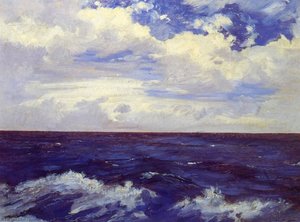
- Mar Atlántico
- El Popocatépetl y el Iztaccíhuatl
- Place Of Birth: Mexico City