 Preview
 Send
Send Share
Share
 Details

 Download
 Similars
 X-Ray
X-Ray Diaporama
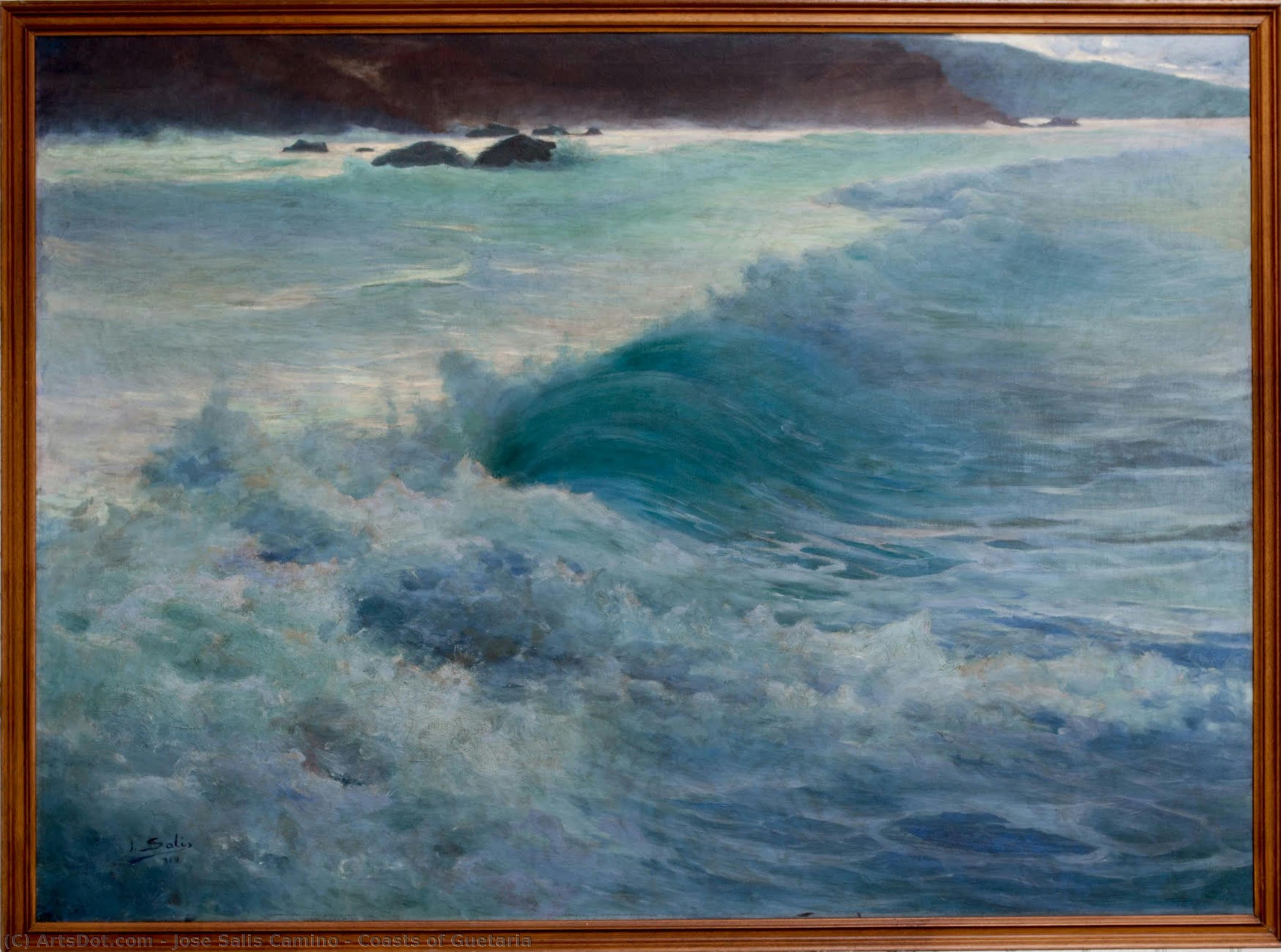
Coasts of Guetaria
 119.0 x 160.0 cm
 Gipuzkoa Heritage Collection Centre
 Read More
Giclée / Art Print
Museum-quality giclée or canvas print with fast production and flexible finish options. ( Buy Hand Made Painting Buy Image)




































Pick from our preset sizes that match the artwork's original proportions.

You may enter your own dimensions to fit a specific frame or space. If your selected size does not match the original image's proportions, we will either crop the artwork or extend the image with a mirrored or solid-fill edge. A digital mockup will be sent for your approval before production begins.
Please note that the on-screen preview does not reflect the actual cropping or extension. Only the mockup will accurately show the final composition.
While custom sizes are available, we recommend selecting a dimension from the predefined list to preserve the original proportions.
Worldwide Delivery () in 2 weeks instead of standard 4/5 weeks. (27 August)

Free Worldwide Express Shipping

High-Quality Linen Canvas

Full Shipping Insurance

Customs Tax Refund Guarantee

True Color Matching Guarantee

60-Day Return Policy (Defects Only)

100% Money-Back Guarantee

Bulk Discount Offer
 Glass option is only available in size under 110 CM

Coasts of Guetaria
Giclée / Art Print
Reproduction Size
-


Total Price
$ 63
Collectible Description
Related Artworks








Artist Biography
José Salís Camino: A Voice of the Basque Coast
José Salis Camino (1863-1927) stands as a pivotal figure in late 19th and early 20th century Spanish art, particularly renowned for his evocative depictions of the Basque coastline. Born in Saint-Jacques-de-Nieva, Spain, in 1863, his artistic journey was deeply intertwined with the cultural landscape of Cantabria and later, Gipuzkoa. His early life, marked by a move to Irun following his father’s death, instilled within him a profound connection to the rugged beauty and maritime traditions of the Basque region – an influence that would permeate his entire oeuvre. Camino's artistic development was nurtured through formal training at the Real Academia de Bellas Artes de San Fernando in Madrid and subsequent studies in Brussels and Rome, exposing him to diverse European artistic currents while firmly grounding him in his regional identity.Early Influences and the Escuela del Bidasoa
Camino’s artistic trajectory is inextricably linked to the *Escuela del Bidasoa* (Bidasoa School), a loosely defined group of Basque artists who emerged during this period. This collective, centered around the estuary of the Bidasoa River, championed a distinctly regional style characterized by a focus on capturing the raw beauty and dramatic light of the coastal environment. Unlike the more academic styles prevalent at the time, the *Escuela del Bidasoa* embraced a looser brushstroke, prioritizing atmospheric effects and the emotional resonance of their subjects. Camino’s work exemplifies this approach, eschewing meticulous detail in favor of conveying the spirit and essence of the Basque landscape. His paintings aren't simply representations; they are imbued with a palpable sense of place – the salty tang of the sea air, the relentless crash of waves against the cliffs, and the muted colors of the ever-changing sky.Subject Matter and Artistic Technique
Camino’s artistic focus remained consistently on landscapes and seascapes, though he also produced compelling cityscapes reflecting life in coastal towns. His seascapes are particularly striking, often rendered with a masterful understanding of light and shadow. He frequently depicted the dramatic interplay between the sea and the coastline, capturing the turbulent energy of storms and the serene beauty of calm waters. His technique involved layering thin washes of paint to create atmospheric depth and luminosity – a characteristic that lends his works a remarkable sense of immediacy and realism. While influenced by Impressionism, Camino developed a unique style, retaining a strong connection to traditional Basque painting practices. He skillfully employed color to evoke mood and atmosphere, utilizing subtle shifts in tone to convey the changing conditions of the coastal environment.Notable Works and Recognition
Among his most celebrated works is “Coasts of Guetaria” (available at ArtsDot.com), a powerful depiction of the rugged coastline near Guetaria, showcasing his ability to capture both the grandeur and vulnerability of the landscape. His paintings frequently feature humble subjects – fishing boats, solitary figures against the vast expanse of the sea, and glimpses of traditional Basque life – elevating these everyday scenes into works of art. Camino’s work was exhibited nationally in Spain, including at the Exposición Nacional de Bellas Artes in Madrid, and internationally at the Exposition Universelle in Paris, demonstrating his growing recognition within the artistic community.Legacy and Historical Significance
José Salis Camino's contribution to Spanish art lies not only in his individual works but also in his role as a key figure in the *Escuela del Bidasoa*. He helped to establish a distinct regional identity within the broader Spanish art scene, celebrating the unique beauty and cultural heritage of the Basque region. His paintings continue to resonate with viewers today, offering a powerful connection to the dramatic landscapes and maritime traditions of this captivating corner of Spain. His work serves as a testament to the enduring power of landscape painting to capture both the physical reality and emotional essence of a place.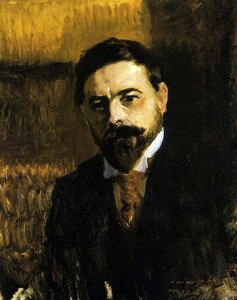
José Salis Camino
1863 - 1927 , Spain
Quick Facts
- Artistic Movement Or Style: Escuela del Bidasoa
- Date Of Birth: December 1, 1863
- Date Of Death: 1927
- Full Name: José Salis Camino
- Nationality: Spanish
- Notable Artworks: ['Coasts of Guetaria']
- Place Of Birth: Saint-Jacques-de-Nieva, Spain