 Preview
 Send
Send Share
Share
 Details

 Download
 Similars
 X-Ray
X-Ray Diaporama
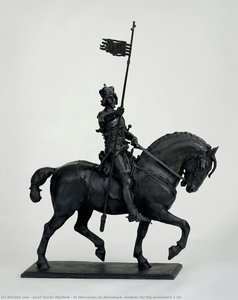
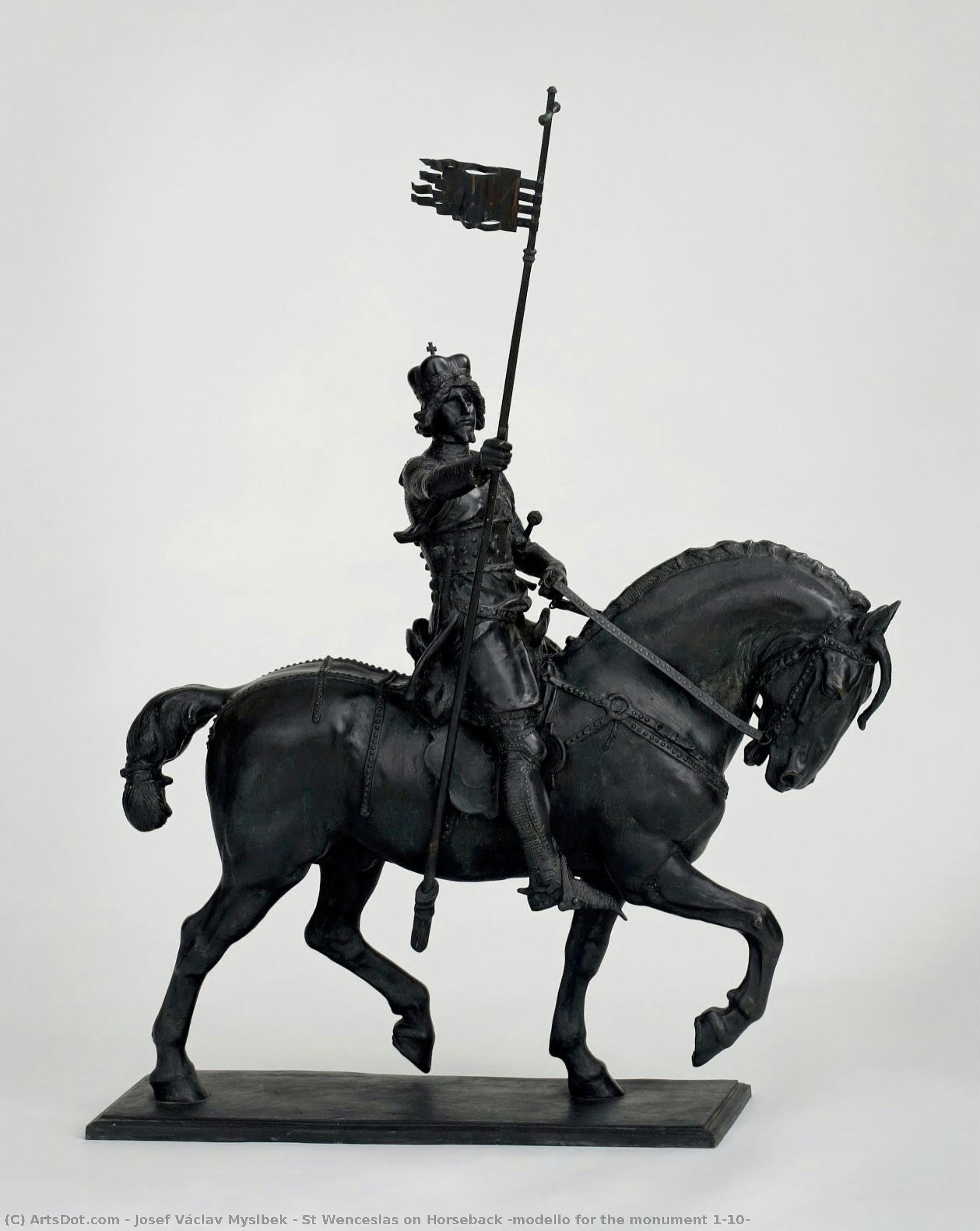
St Wenceslas on Horseback (modello for the monument 1/10)
 Read More
Giclée / Art Print
Museum-quality giclée or canvas print with fast production and flexible finish options. ( Buy Hand Made Painting Buy Image)




































Pick from our preset sizes that match the artwork's original proportions.

You may enter your own dimensions to fit a specific frame or space. If your selected size does not match the original image's proportions, we will either crop the artwork or extend the image with a mirrored or solid-fill edge. A digital mockup will be sent for your approval before production begins.
Please note that the on-screen preview does not reflect the actual cropping or extension. Only the mockup will accurately show the final composition.
While custom sizes are available, we recommend selecting a dimension from the predefined list to preserve the original proportions.
Worldwide Delivery () in 2 weeks instead of standard 4/5 weeks. (27 August)

Free Worldwide Express Shipping

High-Quality Linen Canvas

Full Shipping Insurance

Customs Tax Refund Guarantee

True Color Matching Guarantee

60-Day Return Policy (Defects Only)

100% Money-Back Guarantee

Bulk Discount Offer
 Glass option is only available in size under 110 CM

St Wenceslas on Horseback (modello for the monument 1/10)
Giclée / Art Print
Reproduction Size
-


Total Price
$ 63
Related Artworks





Artist Biography
The Sculptor Who Shaped Czech Modernity
Josef Václav Myslbek stands as a pivotal figure in the history of Czech sculpture, recognized for establishing a distinctive artistic style that profoundly impacted generations of sculptors and cemented his place among the nation’s most celebrated artists. Born in 1848 in Prague’s Žižkov district—a region marked by poverty and social upheaval—Myslbek's early life instilled within him a resilience and determination that would characterize his entire career. Despite familial pressures to pursue a more conventional profession like shoemaking, Myslbek passionately embraced the burgeoning artistic world around him, securing a position with several prominent Czech sculptors who nurtured his nascent talent.
Crucially, Myslant’s formal education was unconventional; he eschewed traditional academic training and instead honed his skills through observation and immersion in the atelier of established masters. Because there was no specific school program for sculpting at the time, he studied painting at the Academy of Fine Arts in Prague, a discipline that would later enrich his sculptural vision with a painterly sense of light and form. This immersive experience proved invaluable as it exposed him to the stylistic innovations emanating from France—particularly the monumental sculptures of Auguste Rodin—and fostered an appreciation for literature and photography, disciplines that would further deepen his artistic perception.
A Legacy of Monumental Realism
Myslbek’s studio quickly became a hub for artistic experimentation and collaboration, serving as a crucible for the next generation of Bohemian talent. He mentored influential sculptors such as Stanislav Sucharda, Jan Štursa, and Bohumil Kafka—artists who would themselves become internationally recognized figures—establishing Myslbek's legacy not only in his own oeuvre but also in the broader Czech sculptural landscape. His sculptures are characterized by a masterful blend of realism and stylized abstraction, reflecting the Symbolist movement’s preoccupation with psychological depth and spiritual contemplation.
His most enduring achievement remains the Statue of Saint Wenceslas, located in the heart of Wenceslas Square. This monumental equestrian masterpiece was a labor of immense devotion, occupying his thoughts and hands for over thirty-five years. Inspired by the grandeur of the Italian Renaissance masters like Donatello and Brunelleschi, as well as the spirit of Czech painters such as Mánes and Aleš, Myslbek transformed the design from a single figure into a complex narrative ensemble. The final monument features the prince accompanied by the land patron saints of Bohemia: St. Ludmila, St. Agnes of Bohemia, St. Procopius, and St. Adalbert, creating a profound symbol of Czech statehood.
Mastery of Form and National Identity
Beyond his monumental public works, Myslbek’s repertoire included intimate busts and historical commemorations that captured the essence of the Czech spirit. His ability to breathe life into stone or bronze allowed him to honor national icons such as Bedřich Smetana and František Palacký. His work often drew from the rich tapestry of Bohemian legend, seen in his statues for the Palacký Bridge, which depict heroic figures like Libuše, Přemysl, and the legendary warriors Ctirad and Šárka.
The breadth of his contribution can be summarized through these defining elements of his career:
- Foundational Influence: Credited with founding the modern Czech sculpting style by blending local tradition with international innovation.
- Artistic Versatility: A mastery that spanned from delicate medal work and portrait busts to massive, complex equestrian monuments.
- Cultural Impact: His studio acted as a vital academy for the most important Czech sculptors of the late 19th and early 20th centuries.
- Symbolic Depth: An ability to weave historical narrative, religious devotion, and national identity into a singular, cohesive aesthetic.
Through his tireless dedication to capturing the human form with remarkable sensitivity, Josef Václav Myslbek did more than create art; he sculpted the very identity of a nation in transition, leaving behind a permanent mark on the landscape of Prague and the soul of Czech culture.
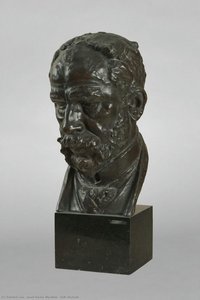
josef václav myslbek
1848 - 1922 , Czech Republic
Quick Facts
- Artistic Movement Or Style: Modern Czech Sculpture
- Artists Or Movements Influenced By This Artist:
- Kafka
- Symbolist Sculpture
- Artists Who Influenced This Artist:
- Rodin
- French Art
- Date Of Birth: 1848 Prague Czech Republic
- Date Of Death: 1922
- Full Name: Josef Václav Myslbek
- Nationality: Czech
- Notable Artworks:
- St Wenceslas on Horseback
- Self-.Portrait
- Place Of Birth: Prague Czech Republic