 Preview
 Send
Send Share
Share
 Details

 Download
 Similars
 X-Ray
X-Ray Diaporama
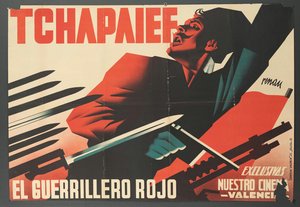
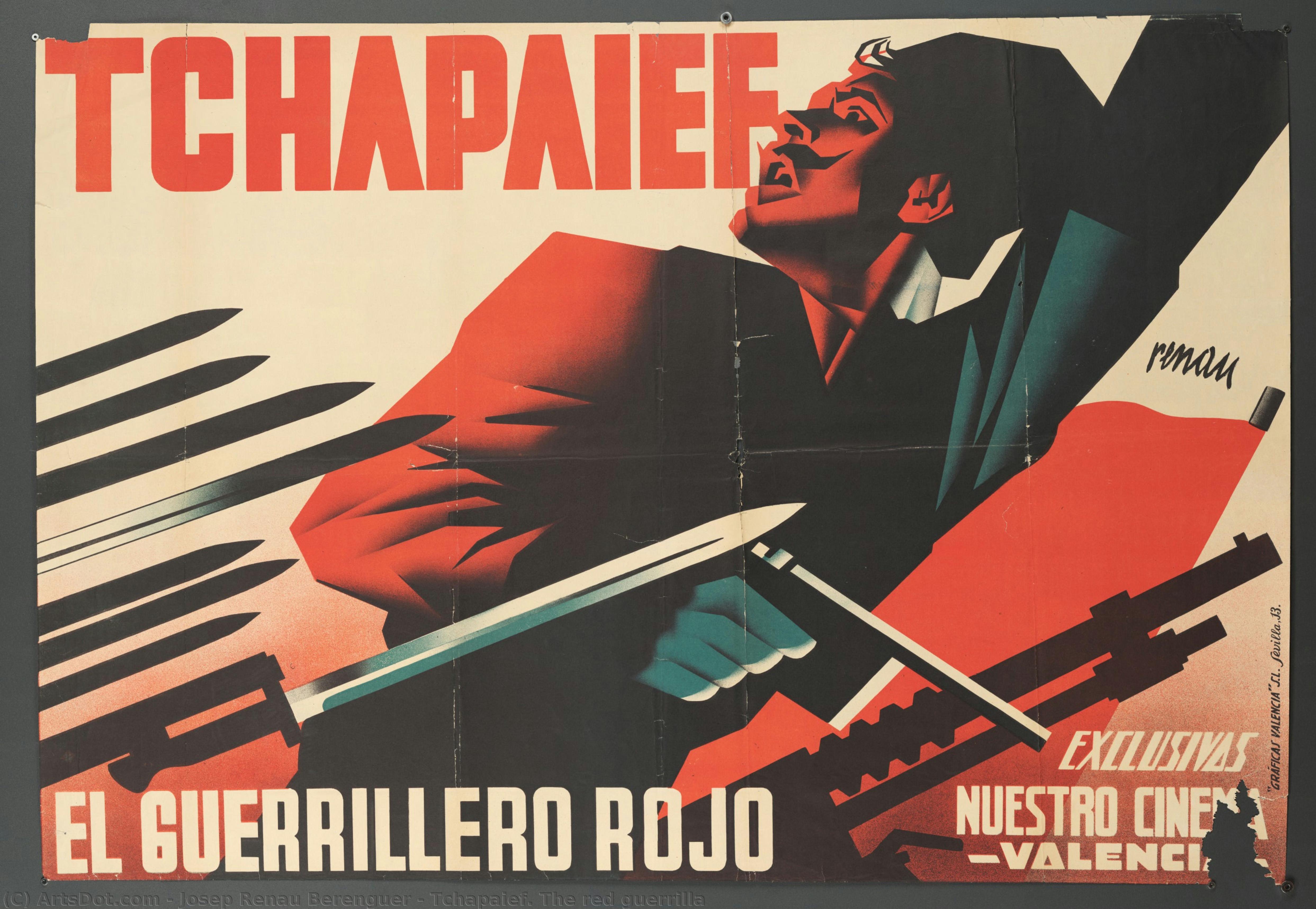
Tchapaief. The red guerrilla
 4.0 x 100.0 cm
 Pablo Iglesias Foundation
 Read More
Hand Made Oil Reproduction
Hand-painted oil on canvas in your size and frame, made to order by our artists. ( Buy Print Buy Image)




































Pick from our preset sizes that match the artwork's original proportions.

You may enter your own dimensions to fit a specific frame or space. If your selected size does not match the original image's proportions, we will either crop the artwork or extend the painting with additional hand-painted elements. A digital mockup will be sent for your approval before production begins.
Please note that the on-screen preview does not reflect the actual cropping or extension. Only the mockup will accurately show the final composition.
While custom sizes are available, we recommend selecting a dimension from the predefined list to preserve the original proportions.
After order, ArtsDot.com team will email client for instructions and provide a mockup preview
Worldwide Delivery () in 3/4 weeks instead of standard 5 weeks. (25 August). No compromise on quality.

Free Worldwide Express Shipping

High-Quality Linen Canvas

Full Shipping Insurance

Customs Tax Refund Guarantee

True Color Matching Guarantee

60-Day Return Policy (Defects Only)

100% Money-Back Guarantee

Bulk Discount Offer
 Glass option is only available in size under 110 CM

Tchapaief. The red guerrilla
Reproduction Medium
Reproduction Size
-


Total Price
$ 263
Related Artworks








Artist Biography
The Visionary Architect of the Image: The Life and Legacy of Josep Renau Berenguer
In the turbulent landscape of twentieth-century art, few figures commanded the intersection of aesthetic innovation and political fervor as powerfully as Josep Renau Berenguer. Born in Valencia in 1907, Renau was not merely a creator of images but a strategist of visual communication. His journey began amidst the rising tides of socialist ideals in Spain, where his formal training at the Escuela Superior de Diseño Industrial y Artística de Barcelona allowed him to absorb the radical energies of Constructivism and Futurism. These movements, with their obsession with geometric precision and the promise of a technological utopia, provided the foundational vocabulary for Renau’s later mastery. He viewed the canvas and the printed page not as static surfaces for decoration, and yet, his work possessed a rhythmic, structural beauty that transcended mere utility.
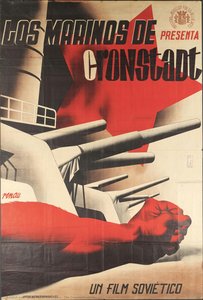
The outbreak of the Spanish Civil War transformed Renau from an avant-garde designer into a vital instrument of the Republican cause. Serving as the Director General of Fine Arts, he occupied a position where art and statecraft became inseparable. It was during this era that his genius for photomontage truly flourished. Drawing deep inspiration from the Berlin Dadaists, Renau utilized the cut-and-paste technique to dismantle the propaganda of fascism and capitalism. By juxtaposing disparate photographic elements, he created a new, jarring reality that could critique war and imperialism with surgical precision. His works, such as “The Cronstadt Sailors” and “Tchapaief. The Red Guerrilla,” were more than posters; they were emotional conduits designed to galvanize international solidarity and defend the Republic against the encroaching darkness of Nazism.
A Master of Montage and the Politics of Sight
Renau’s technical brilliance lay in his ability to manipulate the viewer's perception through the sophisticated use of typography, photography, and bold color. He understood that in an age of mass media, the image must act swiftly upon the psyche. His mastery of the photomural allowed him to scale his political message to monumental proportions, most notably during the 1937 Paris World’s Fair. In a historic moment of cultural preservation and promotion, Renau was instrumental in commissioning Pablo Picasso’s Guernica, ensuring that the horrors of the Spanish conflict were etched into the global consciousness. His work during this period reflected a profound belief in the social function of art—the idea that the artist holds a responsibility to use their tools to actively transform the world rather than simply reflect it.
As political tides shifted and exile became his reality, Renau’s artistic focus underwent a fascinating evolution. Settling in Mexico, he entered a period of profound experimentation influenced by the vibrant energy of the Mexican Muralist Movement. It was here that he produced some of his most intellectually piercing work, such as the Fata Morgana series and the iconic “The American Way of Life.” In these pieces, Renau turned his critical eye toward the burgeoning consumerism of the Cold War era. Through a sophisticated layering of commercial imagery and surrealist undertones, he critiqued the seductive yet hollow promises of capitalist prosperity, proving that his revolutionary spirit remained undiminished by distance or time.
The Enduring Resonance of a Revolutionary Aesthetic
The historical significance of Josep Renau Berenguer extends far beyond the borders of Spain or the specific political struggles of his era. He remains a seminal figure in the history of graphic design and political art, having bridged the gap between high-art avant-garde experimentation and the urgent needs of mass communication. His legacy is found in every modern use of montage to convey complex social truths and in the enduring power of the poster as a tool for resistance.
To reflect on Renau’s contribution is to recognize several key pillars of his impact:
- Revolutionary Technique: The elevation of photomontage from a niche Dadaist experiment to a powerful medium of political discourse.
- Cultural Stewardship: His heroic efforts in protecting Spanish heritage, including the preservation of masterpieces from the Prado Museum during wartime.
- Social Commitment: An unwavering dedication to using visual language as a weapon against fascism, imperialism, and consumerist manipulation.
- Aesthetic Synthesis: The seamless blending of industrial design, Constructivist geometry, and emotive photography.
Ultimately, Renau’s life was a testament to the idea that art is an active force. Through his vibrant colors, bold structural layouts, and sharp satirical wit, he created a visual legacy that continues to challenge how we see the world and our place within its political and social structures.
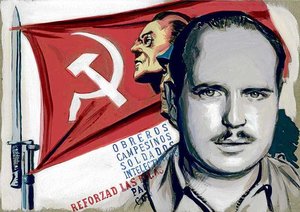
josep renau berenguer
1907 - 1982 , Spain
Quick Facts
- Artistic Movement Or Style: Art Deco
- Date Of Birth: May 17, 1907
- Full Name: Josep Renau Berenguer
- Nationality: Spanish
- Notable Artworks:
- Fata Morgana
- Tropic
- Place Of Birth: Valencia, Spain